How to make green juice: that is lower in oxalates, tomato juice, symptoms of being acidic, and juicing tips.
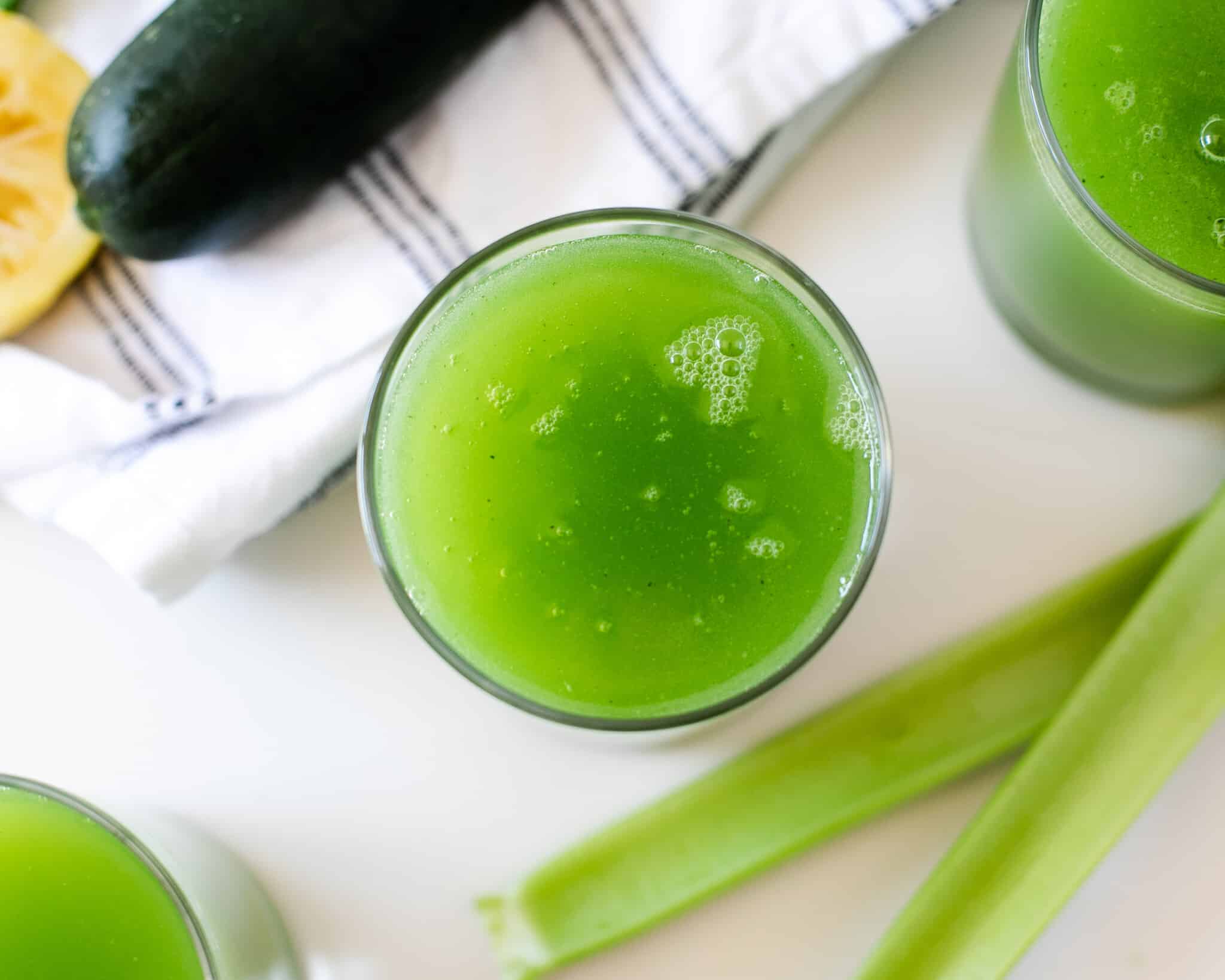
How to make green juice lower in oxalates can be accomplished by choosing the fruits, vegetables, and herbs that are lower in this anti-nutrient.
That way you can enjoy drinking green juice again to help alkalize your body.
I have to admit that I gave up drinking green juice for a while because I was terrified of oxalates and I still am to a certain extent.
However, my body is telling me it's time to redefine how to make green juice, so that I can reduce the amount of acidity in my body. Are you acidic?
You'll be given lower in oxalate choices, so you can make a safer green juice for yourself and I'll remind you of a nostalgic alternative. You'll also get basic juicing tips, so that you can be more successful.
How to make green juice that is lower in oxalates.
Oxalates are naturally occurring compounds found in many plants and can be made in your body. They can bind to important minerals like calcium and magnesium.
Oxalates can also create pain and stones in your body.
Lower in oxalate fruits, vegetables, and herbs is how to make green juice that is lower in oxalates. Use these "better" choices to make a green juice that can give you minerals without so many problems.
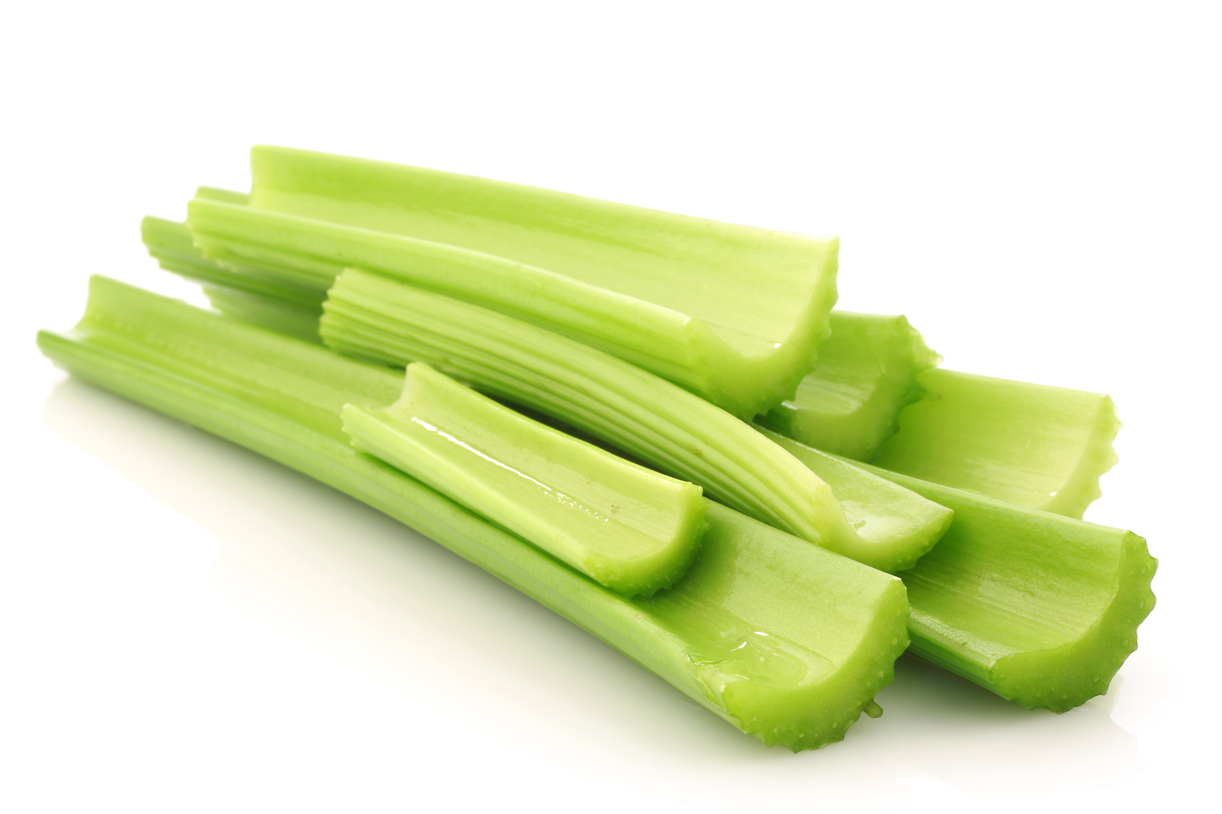
Celery stalks: approximately 3 to 12 mg. per celery stalk.
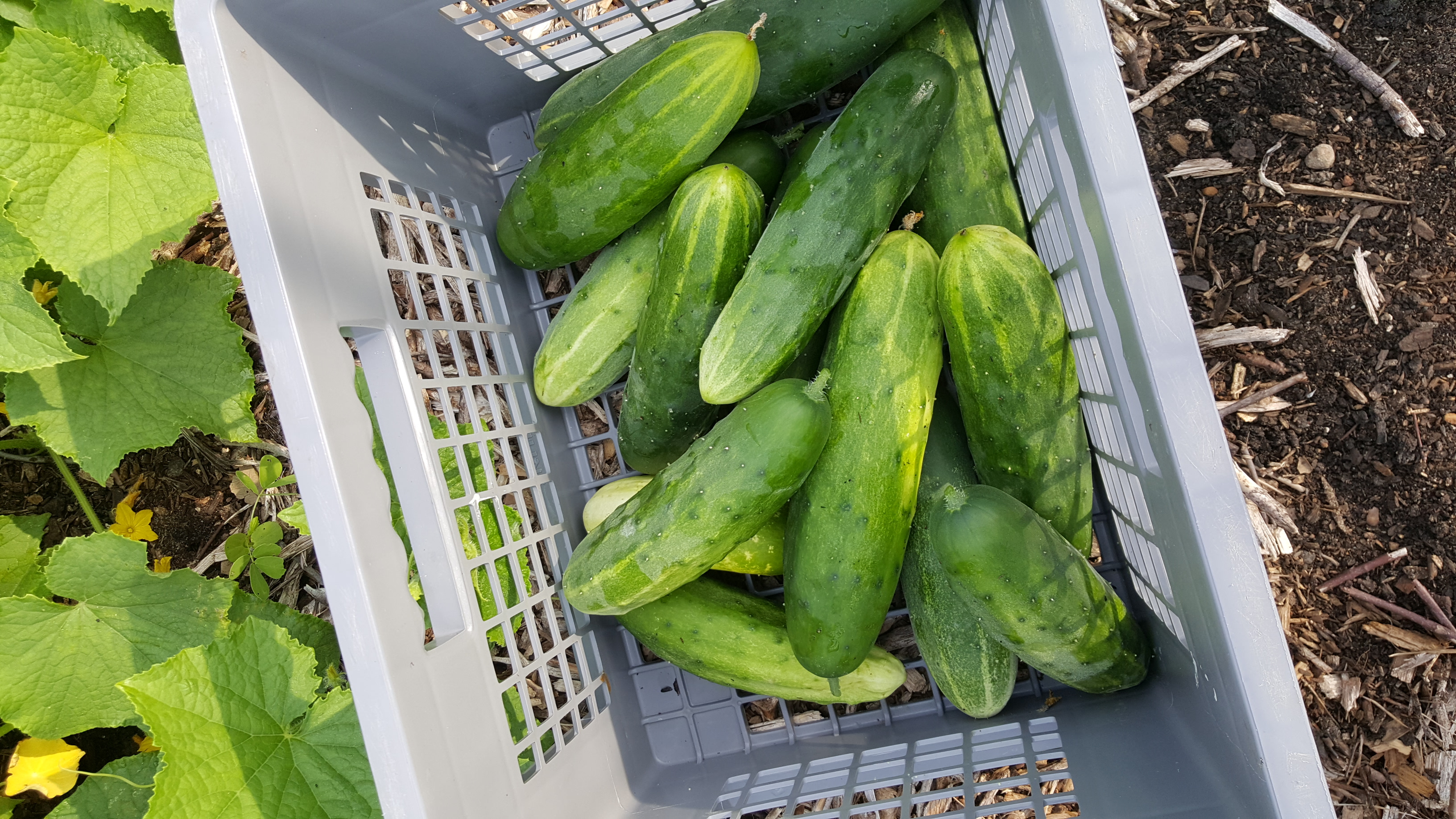
Cucumbers: approximately 4 mg. per medium cucumber.
Zucchini: approximately 4 mg. per medium zucchini.
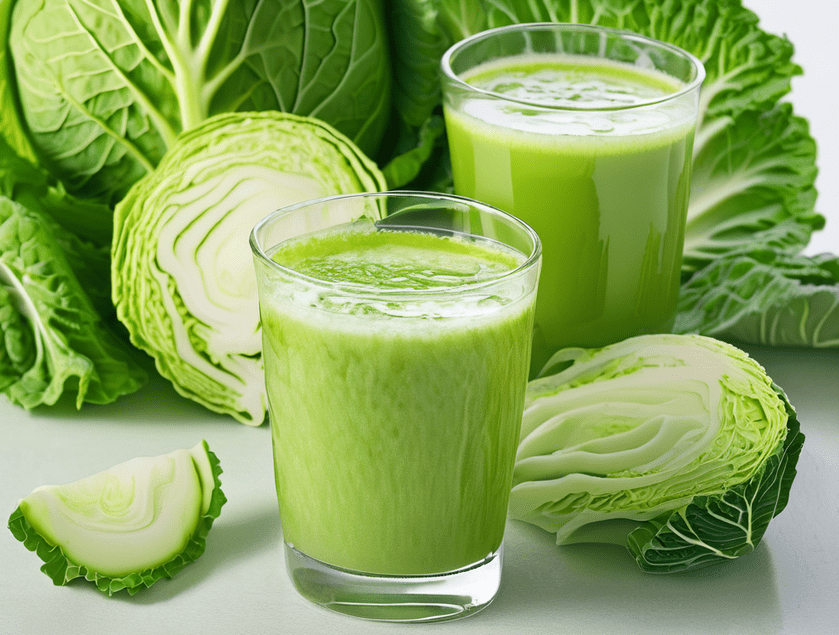
Green cabbage: approximately 2 mg. per cup of shredded cabbage.
Romaine lettuce: approximately 0 mg. per cup of lettuce.
lceberg lettuce: 0 mg. per cup.
Green apple: approximately 2 mg. per medium-sized apple.
Basil: approximately 3 mg. per 1/4 cup of leaves.
Cilantro: approximately 4 mg. per cup of leaves and stem.
Arugula: approximately 3 mg. per 1/2 cup serving.
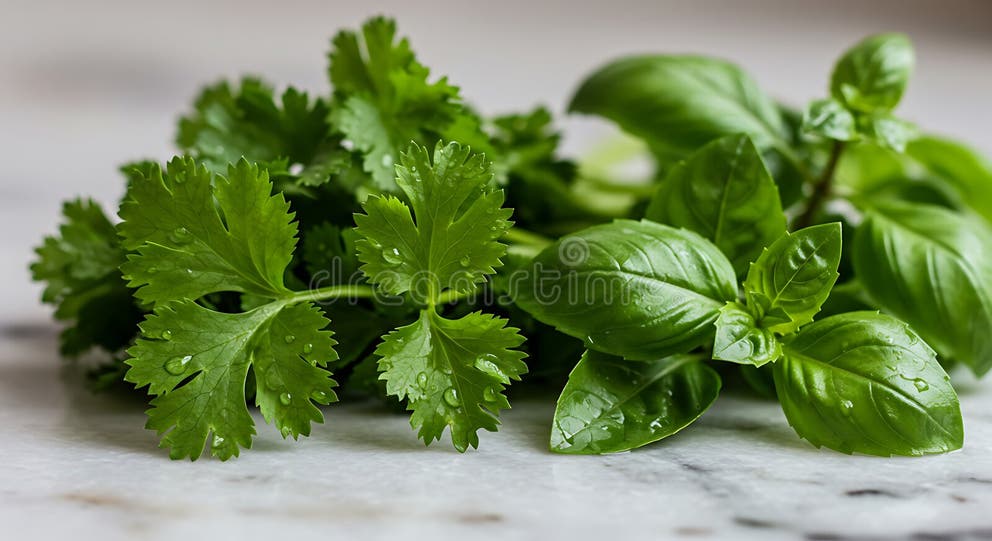
Play around with these choices to come up with your favorite version of a lower in oxalate green juice recipe.
My go to green juice recipe contains celery, cucumber, and an herb. This is also how to make green juice that is lower in carbs.
However, there are times when I want a little sweetness in my green juice to make it more palatable and I will add in some fresh apple.
Sometimes for gut purposes, you might want to drink straight cabbage juice which is known to heal ulcers.
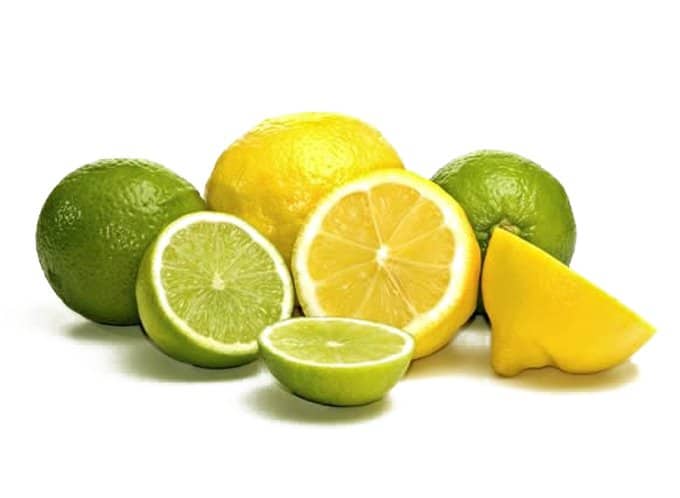
Because of the citric acid, adding a little lime or lemon juice to green juice recipes can help to inhibit stone formation.
Just be sure to remove the peel or rind because they are high in oxalates. A lemon without its peel contains about 3 mg. of oxalates and a lime without its peel contains about 5 mg. of oxalates.
Tomato juice: time to revive a classic!

Tomato juice is known for its tangy taste and this juice has a high amount of antioxidants, vitamins, and minerals.
Tomatoes are fairly low in oxalates and also come with citric acid. A medium sized tomato will have approximately 5 mg. of oxalate.
I often associate drinking tomato juice with - "Wow, I could've had a V8!".
Tomato juice is the main ingredient of V8 along with the juice of carrots, celery, beets, parsley, lettuce, watercress, and spinach.
However, spinach is one of the highest in oxalate vegetables and contains about 656 mg. of oxalates per cup of raw spinach. Beets and parsley contain about 92 mg. per cup.
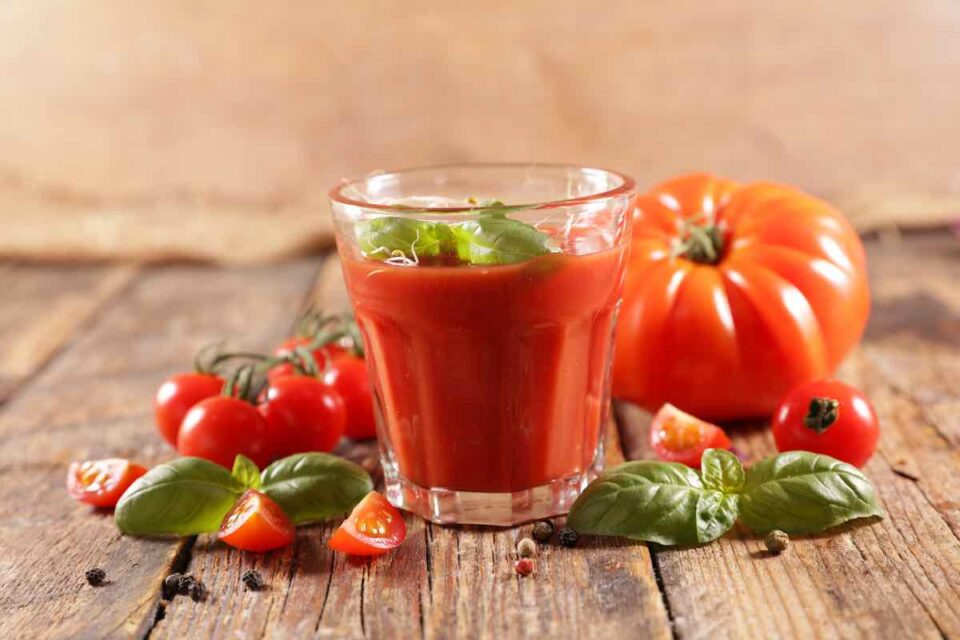
It's time to make a lower in oxalate version of this very popular drink that was created in 1933.
The other ingredients in a V8 are fine to use as long as you don't use too much.
You can just make a simple tomato juice by only juicing tomatoes and fresh basil leaves.
Or include a total of 8 different types of plant foods like in the original. Just be sure to pick the lower in oxalate choices.
Tomatoes are a very soft fruit, so I prefer to blend them instead of using my juicer. It's just so much simpler!
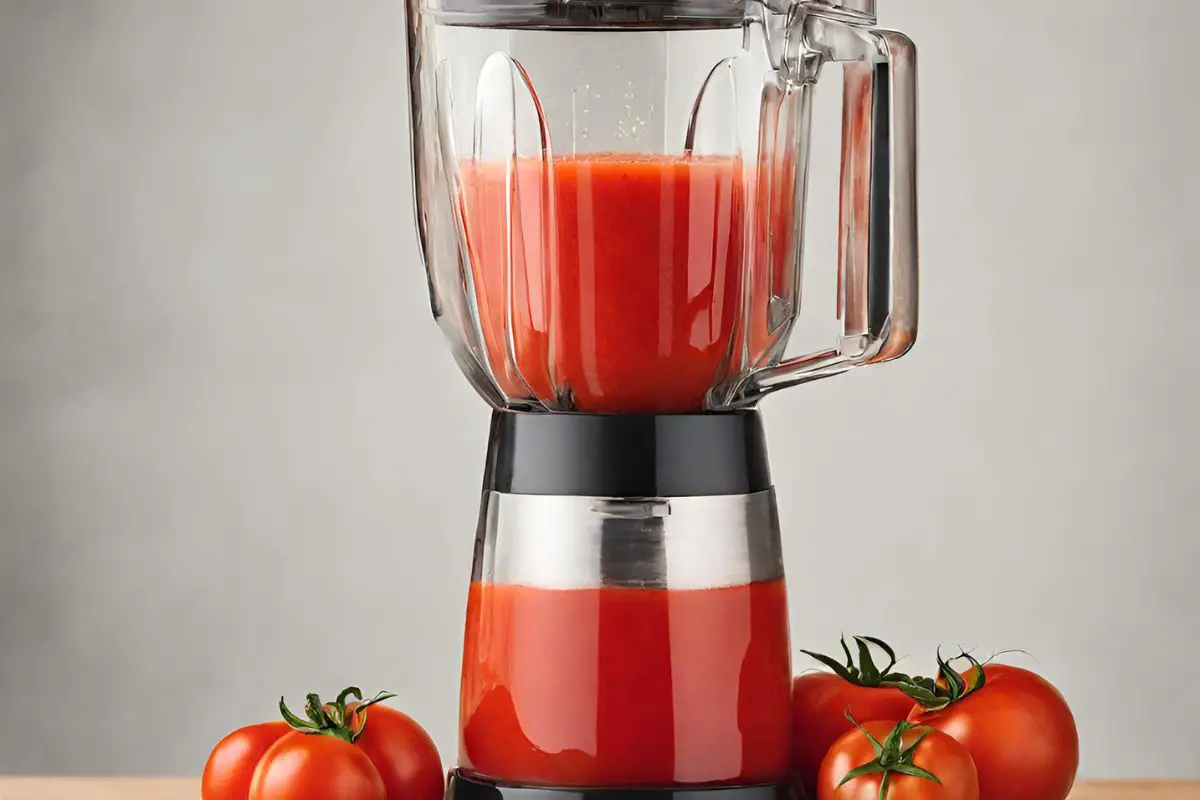
You can throw in additional vegetables and herbs if you like. Then pour the blended liquid through a fine-mesh sieve to get rid of the pulp.
You will end up with a tomato juice that's lower in oxalates because this anti-nutrient is usually more concentrated in the skin. Please do not blend the green stems!
Even though tomatoes are considered an acidic type of fruit, they will have a very alkalizing effect on the blood.
Symptoms of being acidic: is your body too acidic?
Because of our toxic environment and modern lifestyles, our blood tends to be too acidic with waste products from drinking coffee, eating processed foods, and many other acidic choices.
And as much as I love animal foods, I personally believe that people who go on a carnivore or ketogenic diet will eventually become too acidic.
How many acidic symptoms do you have?
Excess mucus in throat
Bloating and gas
Constipation or diarrhea
Nausea or vomiting
Heartburn and indigestion

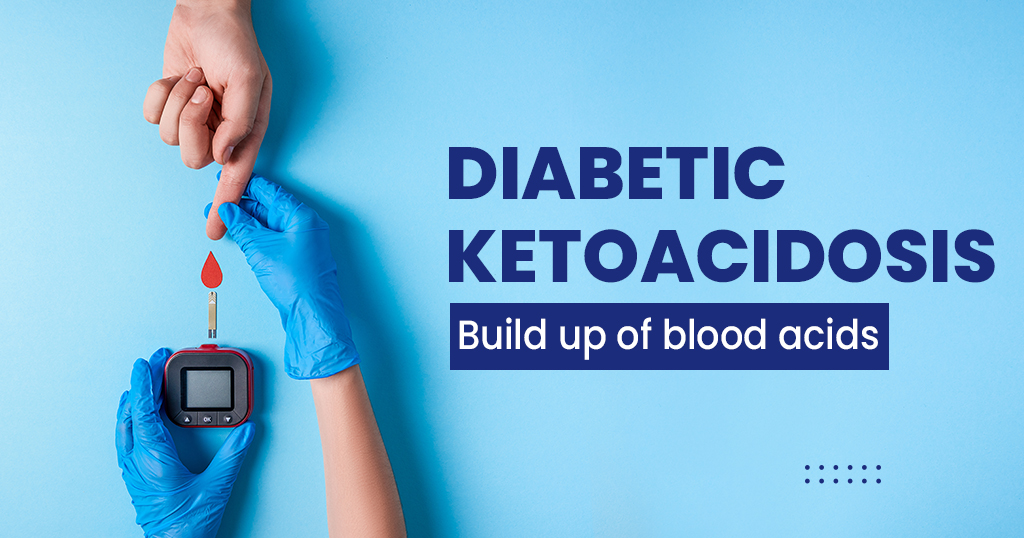
Diabetic Ketoacidosis
High blood sugar levels
Dry mouth
Bad smelling breath
Weight issues
Thirsty and frequent urination
Joint pain and stiffness
Neck and back pain
Urinary tract infections
Gum sensitivity and cavities
Muscle cramps
Muscle fatigue and soreness


Decreased oxygen levels
Shortness of breath
Intolerance to exercise
Excessive sweating
Rapid heart rate and breathing
Headaches and confusion
Increased feelings of anxiety
Chronic fatigue
Difficulty concentrating
Mood swings
Having trouble sleeping


Dryness and irritation of skin
Acne and breakouts
Premature aging
Brittle nails and dry hair
Nutrient deficiencies
If you have one too many symptoms of being acidic, you may want to think about adding more alkaline forming foods like fruits, vegetables, and herbs into your diet.
Aajonus Vonderplanitz author of "the Recipe for Living Without Disease" said, "green vegetable juices are important for optimal health because they are the only nontoxic vitamin, enzyme, and mineral supplements."
"Vegetable juices replace the vitamins, enzymes, and minerals that are lost in daily activity. They provide for the management of toxicity from years of eating cooked food."
"They provide for proper blood alkalinity without alkalinizing the acidic parts of our digestive tract."
Juicing tips: basic information to help you be more successful.
Juicing is a great way to quickly receive vitamins, minerals, and enzymes from plant foods that are normally too hard to digest.
The following juicing tips will help you to get started on the right foot, so
you can get the most nutrition from your green juice recipes.
What is the best time to drink your green juice?
One of the most important tips is to not combine your green juice or tomato juice with other foods. That way, you neutralize the acidity in your blood, but won't over-alkalize your intestines.
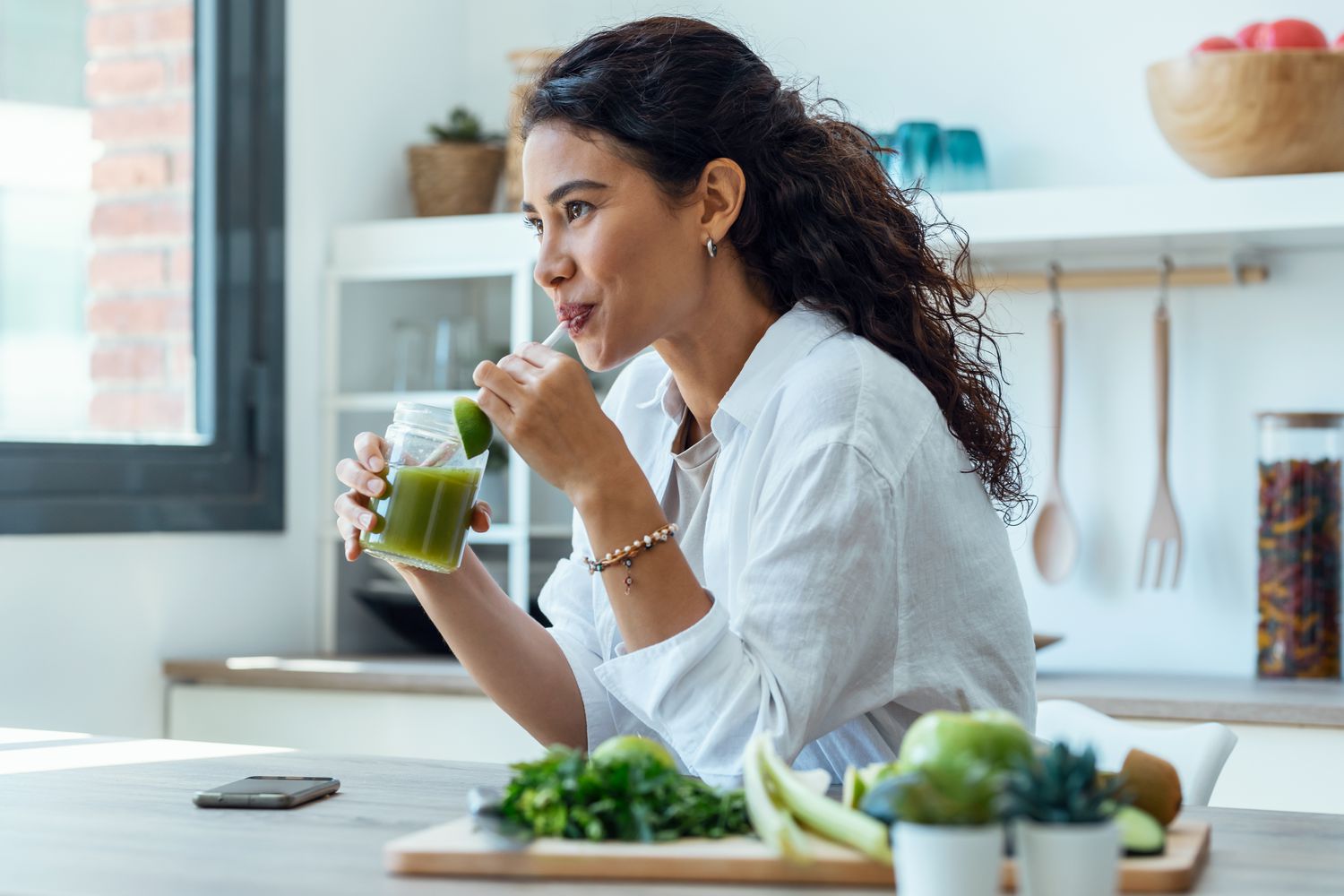
It's best to wait at least an hour before or after a meal - before you drink alkalizing vegetable juices. If you are new to juicing, you may want to start with 4 ounces and build up to 1 cup.
Be sure to juice fruits, vegetables, and herbs that are free of chemicals.
Choose organically grown fruits, vegetables, and herbs for juicing. Always ask your grocery stores if they spray chlorine or any type of pesticide on their organic produce.
Please stay away from anything with Apeel on it.
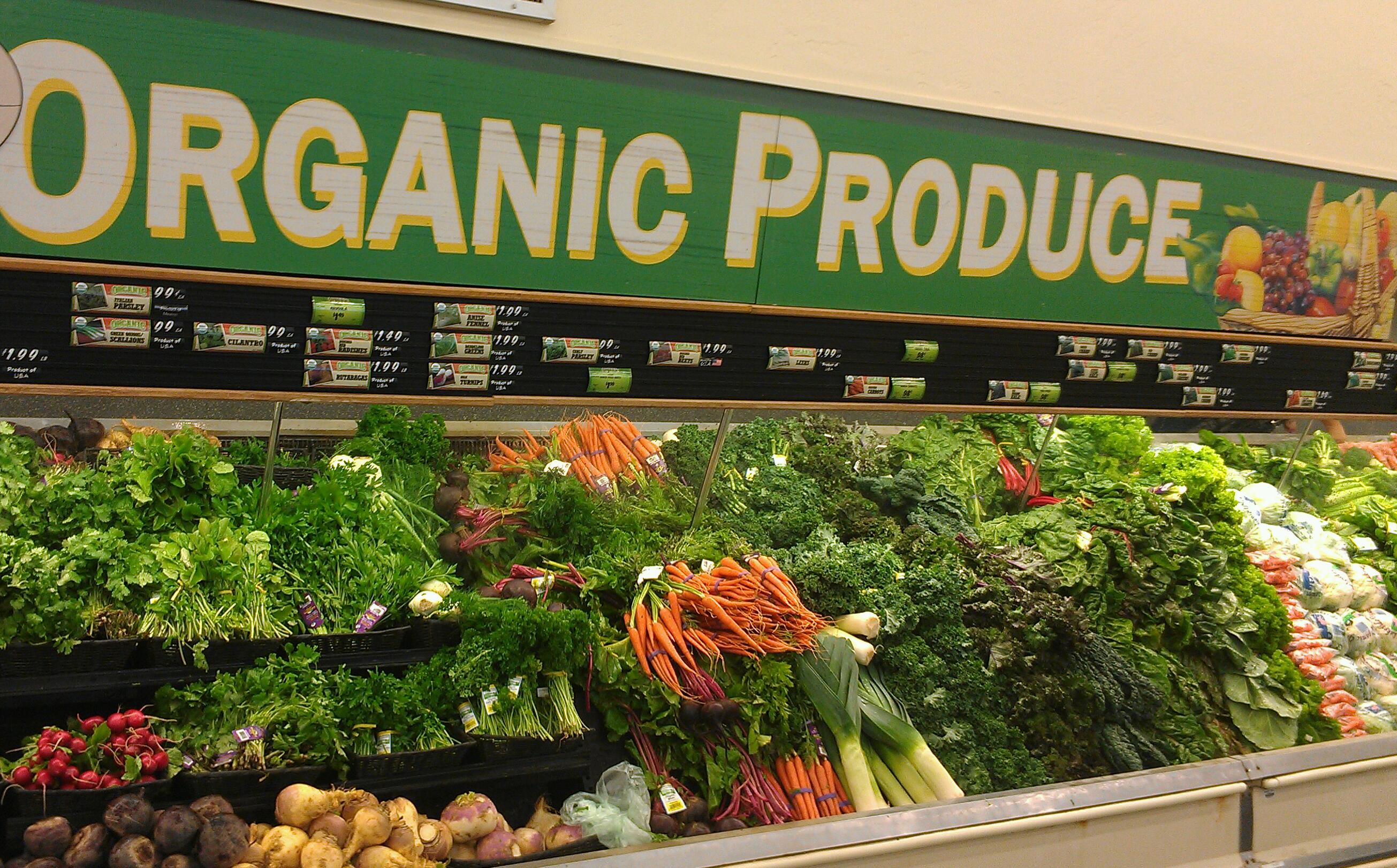
Check your local farmer's market for organically grown produce or look for a local gardener. Rotate juicing ingredients to get an array of nutrients.
Wash your fresh produce in non-chlorinated or filtered water. And drink your vegetable juice immediately unless you are using a low temperature juicer.
What is the best juicer to use?
Please look for a juicer that can juice at low temperatures which helps to preserve the vital nutrients found in raw vegetable juices.
Picking the right juicer is how to make green juice more efficiently. I use to have a Green Star which is one of the best juicers, but cleaning that juicer was a hassle.
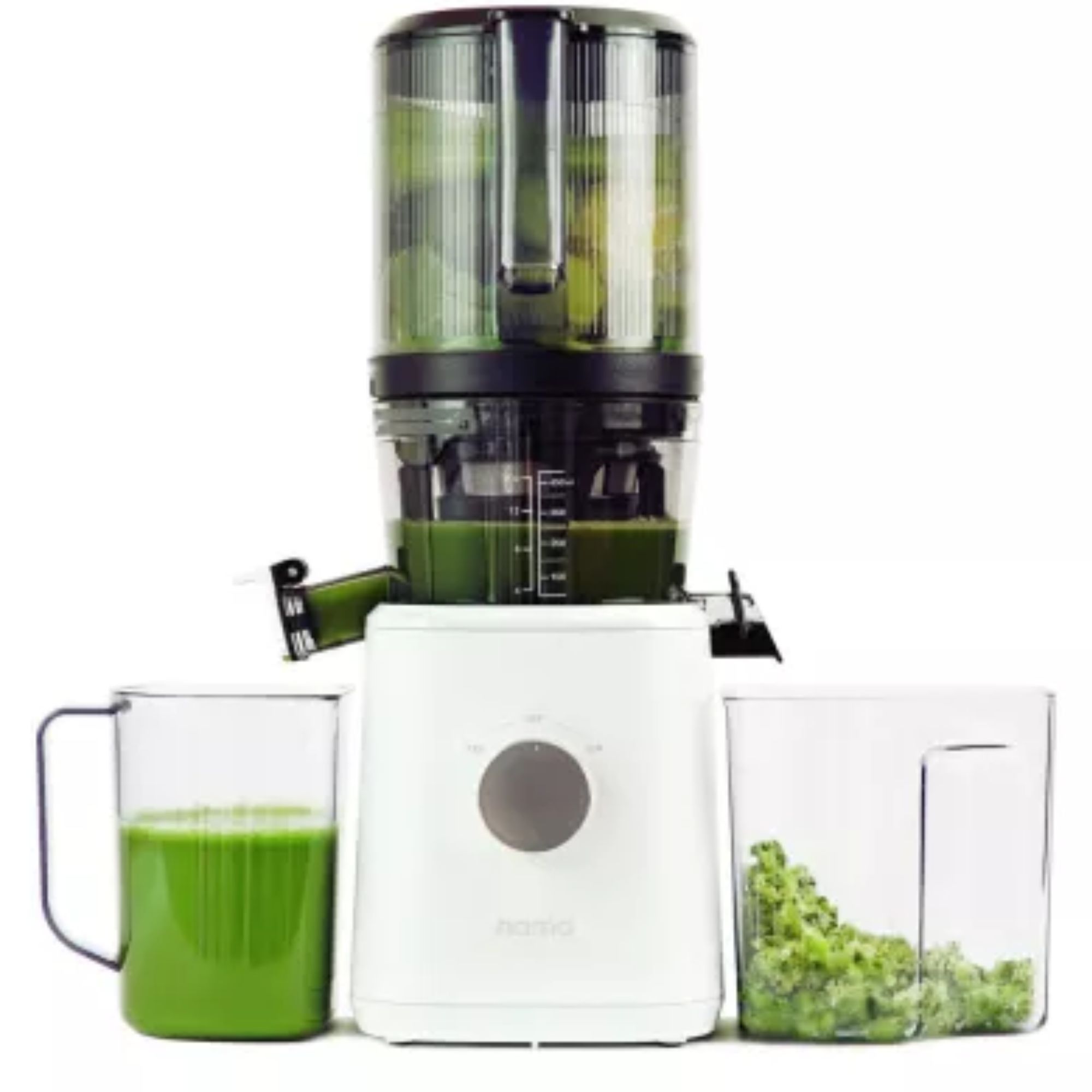
Right now, I'm using a Nama J2 cold press juicer. This juicer operates at a low speed and does not generate heat. The Nama juicer has made it very easy to batch juice, so I have a supply for a few days.
Even though they are expensive, a great juicer will make a big difference in the quality of your vegetable juices. Not to mention extending the life of green juice.
Tips to lower oxalates in vegetable juice recipes.
You'll want to avoid high oxalate vegetables and keep your medium oxalate choices to a minimum.
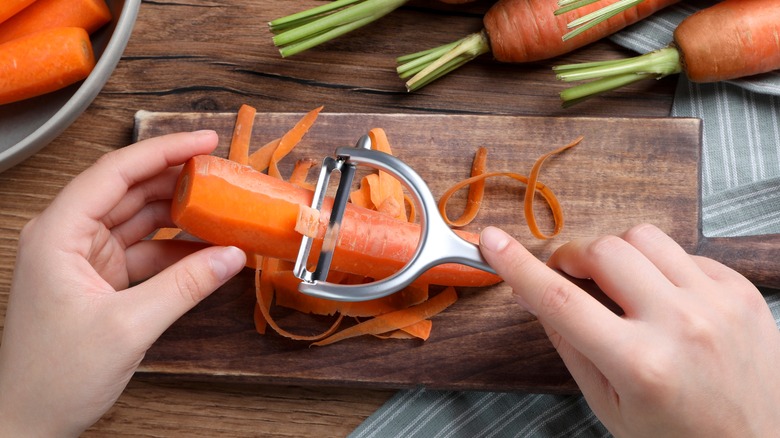
If you remove the skin or peel from fruits and vegetables, this will lower the amount of oxalates in your vegetable juices.
Be aware, the amount of oxalates in vegetable juices will vary depending on the the way the food was grown and harvested.
The nutrient density of the soil, weather, and ripeness when picked all affect the oxalate content of fruits, vegetables, and herbs.
It's best to buy seasonally grown produce as much as possible or start your own organic garden.
- Home
- Foods High in Minerals
- How to Make Green Juice
Resources
1. The Recipe for Living Without Disease by Aajonus Vonderplanitz, Published by Carnelian Bay Castle Press
2. OxalateContent.com
Recent Articles


-
Advanced glycation end products: glycation, effects of, low AGEs diet.
Sep 03, 26 04:13 PM
 AGEs is short for advanced glycation end products that is an ominous warning because that's exactly what they'll do - they AGE you!!
 -
Reasons why you need protein: deficiency, God code & building blocks.
Aug 30, 26 03:49 PM
 Why you need protein is a vast subject. Basically, you need protein to maintain your body and to build new proteins that will help you to evolve.
 -
Best sources of healthy fats: saturated fats and rabbit starvation.
Aug 17, 26 04:38 PM
 The best sources of healthy fats will surprisingly be found in a tropical fruit, seafood, and in the fat of animal foods.