Easy to digest proteins: complete proteins, low protein foods, digestibility factors, and raw complete protein tips.
Consuming easy to digest proteins that are a complete protein source, is the most efficient way to obtain your daily requirement of protein.
Find out if you are consuming protein the efficient way or find out why you may be experiencing digestibility problems, which could prevent you from properly digesting protein.

You may finally find out how to properly digest protein and what's the best complete protein sources for you to consume.
What is protein?
Protein is a macro-nutrient that we need an adequate amount of every day to sustain our health and energy needs.
In order to sustain your health, the protein you consume needs to be broken down into individual amino acids, which are absorbed and used by cells to build other proteins.
These amino acids will also be used to build your DNA.

Do keep in mind, the recommended dietary allowance or the RDA for protein will vary depending on a number of factors.
In general, an average adult will need to consume 0.36 grams of protein for every pound they weigh.
For example: an adult that weighs 150 pounds will need to consume about 54 grams of protein every day.
Keep in mind, this would be the minimum amount of protein that you need to keep you from getting sick and may not necessarily be the ideal amount.
Complete proteins: come with all 9 of the essential amino acids.

Protein sources that contain all nine of the essential amino acids are called complete proteins.
Essential amino acids are amino acids that your body can not make and therefore, you must get them from your diet every day.
- Your individual requirements for amino acids will depend on your age group, pregnancy, and your health issues.
Most people will be able to get by with 9 of the essential amino acids, but some will need 10 of the essential amino acids in order to stay alive.
9 Essential Amino Acids:
- Leucine
- Valine
- Threonine
- Lysine
- Isoleucine
- Methionine
- Tryptophan
- Phenylalanine
- Histidine
Essential for Young Children:
- Arginine
Non-Essential Amino Acids:
- Alanine
- Tyrosine
- Asparagine
- Aspartic acid
- Cysteine
- Glycine
- Glutamic acid
- Glutamine
- Serine
- Proline
Arginine is considered an essential or non-essential amino acid depending on your age and health circumstances.
Did you know, you can get amino acids from the destruction of protein in your body as well as from the protein sources that you consume?
It's better to consume a wide range of amino acids every day.
Many believe it's important for complete protein sources to come with some of the non-essential amino acids.
Easy to digest protein foods that come with the essential and non-essential amino acids will give you more bang for your buck!

Consuming easy to digest proteins that come with a wide range of amino acids will help you to build the proteins that your body needs to function every day.
Selenocysteine was discovered about 40 years ago and is known as the 21st amino acid.
Pyrrolysine was discovered about 22 years ago and is another amino acid that is not part of the basic 20.
Animal foods and seafood come with all of the essential amino acids and most of the non-essential amino acids. On the other hand, very few plant foods will come with all of the essential amino acids.

In general, protein powders and most protein bars won't have amino acids in the right proportions, which is needed by your liver to form new proteins.
Instead, protein powders and "protein supplements" will be used as energy sources and turned into sugar.
Complete protein sources that give you 25 grams of complete protein.
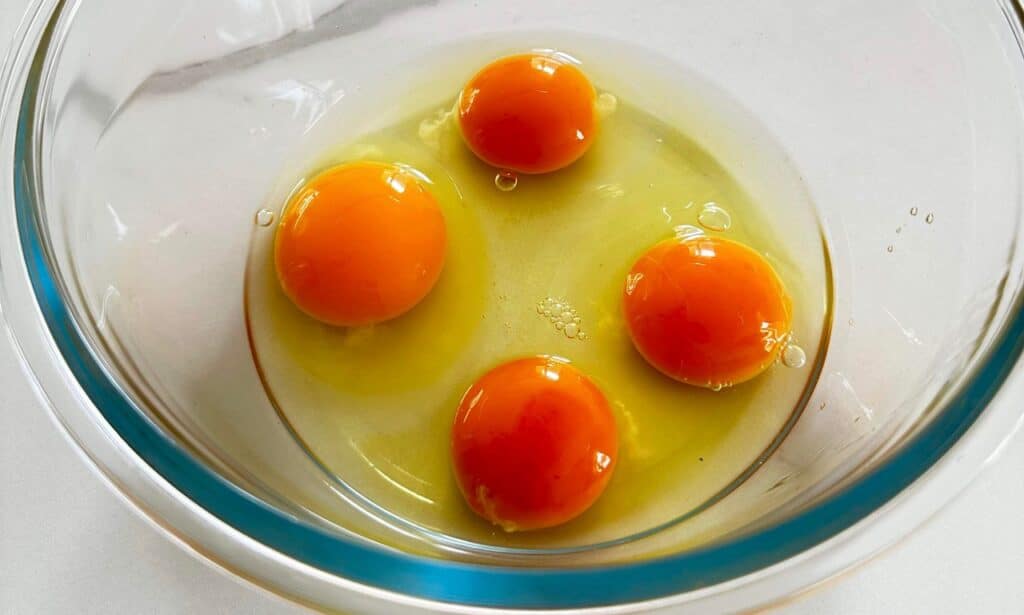
4 Large Pastured Chicken Eggs
3.5 oz. of Wild Caught Salmon
3.5 oz. of Pastured Pork Tenderloin
3.5 oz. of Pastured Beef Steak
3.5 oz. A2 Gouda or Swiss Cheese
Slightly Less than 1 Cup Grass Fed Cottage Cheese
3 oz. of Organic Chicken Breast
4 oz. of Wild Caught Shrimp
3 oz. of Organic Turkey Breast
3 Cups of Grass Fed Whole Milk
5 oz. of Organic Tempeh
Little Over 3/4 Cup of Organic Natto
2 Cups of Organic Pumpkin Seeds
7 1/2 Tbsp. of Organic Hulled Hemp Seeds
Also, it's more efficient to consume complete protein foods that come from animal foods and seafood rather than from plant foods.


Plant foods that have anti-nutrients will have to be deactivated if you want to get any protein from them because anti-nutrients tend to get in the way of digesting adequate amounts of protein.
Low protein foods: usually don't contain all of the essential amino acids.
Low protein foods are almost always protein sources from plant foods. Nuts, seeds, grains, beans, fruits and vegetables will be considered low protein foods.

Many of these plant foods will not contain all of the essential amino acids that the human body needs in order to thrive and many will cause digestive distress.
Sometimes in order to get a complete protein meal from plant foods, people will combine incomplete protein foods together.
- Beans and a whole grain rice is one way to make a complete protein meal.
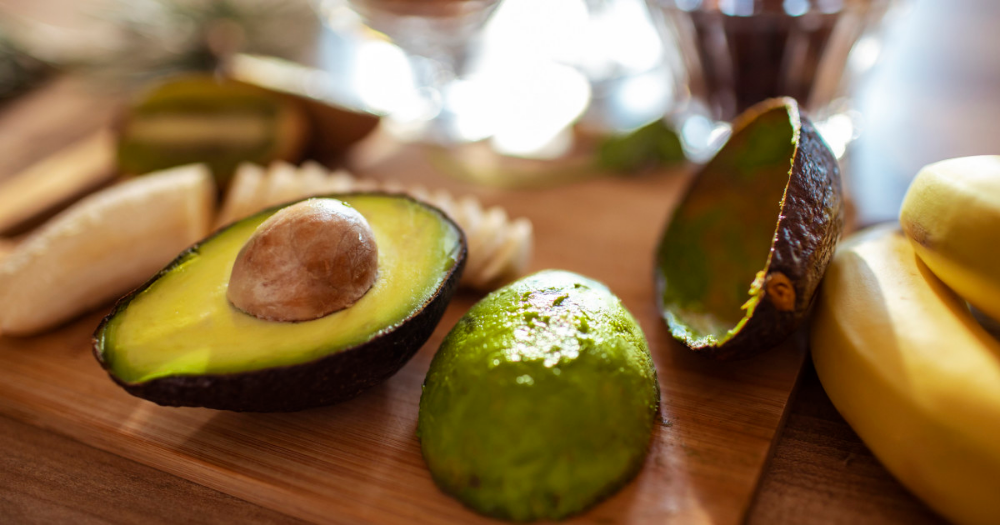
Surprisingly, green peas, wild rice, mushrooms, and avocado are considered complete protein sources. Although, these plant foods are relatively low in protein.
Low protein foods can't give you a lot of protein.
20 Pieces of Almonds - 6 grams
1 Cooked Med. Potato w/Skin - 5 grams
1 cup Cooked Wild Rice - 6.5 grams
4 Tbsp. Flaxseeds - 8 grams
1 cup Cooked Green Peas - 8.6 grams
1 cup Cooked Chickpeas - 14.5 grams
1 cup Cooked Black Beans - 15 grams
1 Medium Raw Avocado - 3 grams
2 cups of Shredded Lettuce - 1.2 grams
1 cup Raw Raspberries - 1.5 grams
1 cup Raw Blackberries - 2 grams
1 cup of Raw Mushrooms - 2.16 grams
1 cup Raw Broccoli - 2.3 grams
1 cup Raw Asparagus - 3 grams
1 cup Cooked Barley - 3.6 grams
Low protein foods usually come with anti-nutients that block protein digestion!
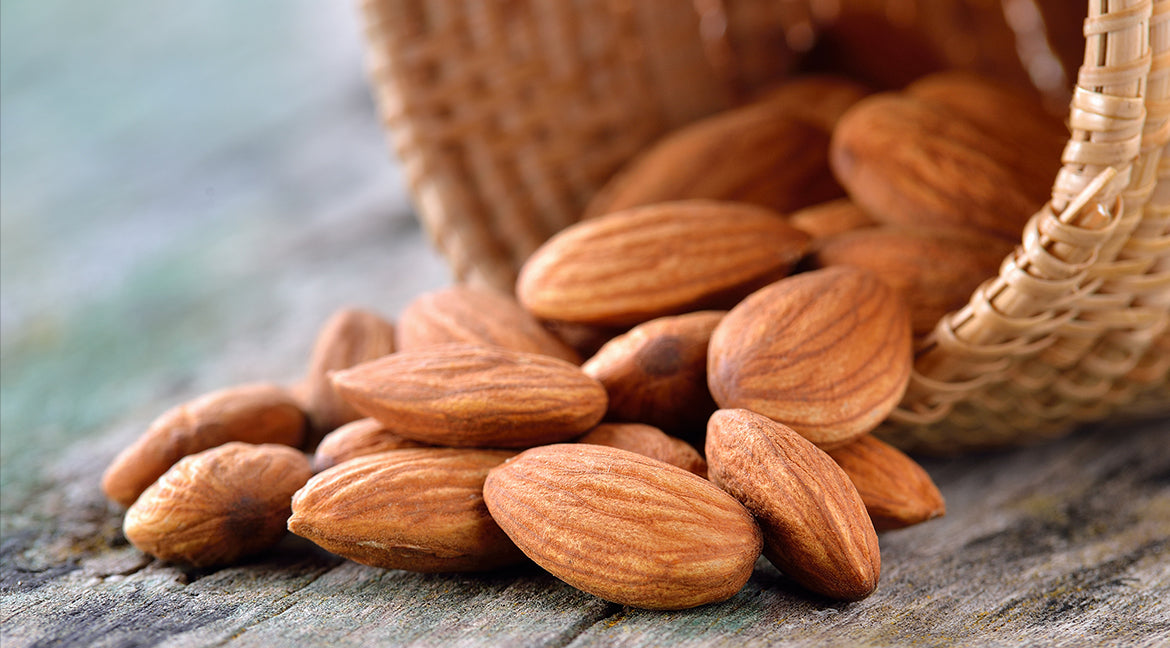
Low protein foods like grains, nuts, seeds, and legumes come with a lot of anti-nutrients that can block protein digestion. These anti-nutrients will need to be deactivated!

Anti-nutrients like enzyme inhibitors, phytic acid, tannins, and oxalates can prevent enzymes from digesting proteins.
- Anti-nutrients will need to be deactivated by soaking, sprouting, or fermenting.
Grains and legumes will also need to be cooked before you consume them, so they will be void of any enzymes.
Digestibility factors: factors that affect your ability to digest protein.
Digestibility factors will help to determine a protein sources' ability to be digested by your digestive system.
If it's an easy to digest protein, your body will be able to break down protein into amino acids with the help of enzymes and digestive juices.
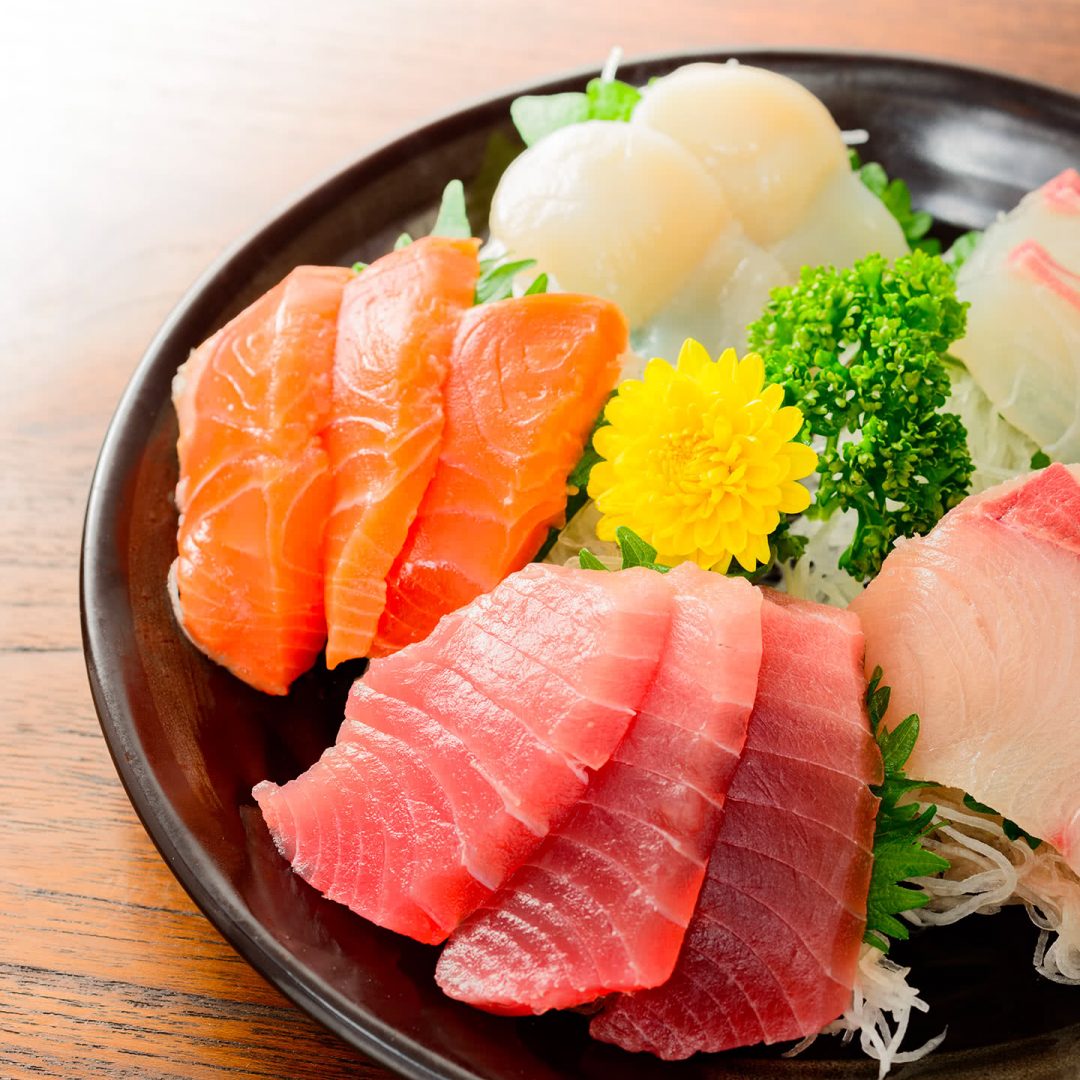
Raw animal foods and raw seafood will be complete protein sources that are easy to digest protein sources.
These protein sources will have a higher digestibility rate, which can also provide the right amount of essential amino acids.
The way a food is prepared and processed has a great impact on its ability to provide you with easy to digest proteins.

For example, raw milk contains bio-available protein that has not been altered and is much more digestible.
On the other hand, pasteurized milk will be greatly impacted by its ability to give your body digestible protein because its protein has been denatured and cooked.
Easy to digest proteins come with good bacteria and enzymes.
I've heard that it's the good bacteria in foods and beneficial bacteria that live in our gut that are responsible for a lot of our digestion. Nutrient dense raw milk comes with a good amount of "good bacteria" to aid digestion.
Enzymes will also play a major role with the digestion of protein as they help to break down peptide bonds to release amino acids.
Easy to digest protein sources like raw milk also come with enzymes. Cooked protein like pasteurized milk will be void of enzymes and good bacteria.
Cooked protein sources come with toxic by-products and low digestibility.

Cooked proteins will come with toxic by-products because of the cooking process.
Heterocyclic amines, acrylamides and AGE's are just a few of very concerning toxic by-products.
These toxic by-products do not really exist in raw easy to digest protein sources.
If animal foods and seafood are cooked, at least 50% of the proteins will coagulate, which makes the protein not very usable for your body.
Improper food combining may impair protein digestibility.
Protein and Starches

It is thought by many that combining foods that require both acid and alkaline digestive juices may contribute to many digestive problems.
The digestion of protein rich foods requires an acidic environment.
However, the digestion of carbohydrate rich foods requires a more alkaline environment.
Usually when you mix the two, they cancel each other out and foods will not properly digest.
Starches will start to ferment and animal proteins putrefy. Improper food combining may also create intestinal discomfort.
What about sushi that comes with rice and raw fish?

Foods like sushi may digest as long as you have enough gut bacteria and raw food enzymes, which come with raw foods.
Protein and Fat

High amounts of fat may inhibit the secretion of gastric juices needed to properly digest fish, eggs, poultry, and meats.
Although, fat in moderation with protein rich sources will not be a problem.
Keep in mind, consuming enough animal fats high in the fat-soluble vitamins are catalysts in the assimilation of protein.
Without fat, your body can't be built properly, so be careful of eating protein powders or lean meats, which could lead to protein poisoning or "rabbit starvation"!
Equal amounts of protein and fat may actually be the correct proportion that provides better nutrition for the human body.
Protein and Fruit
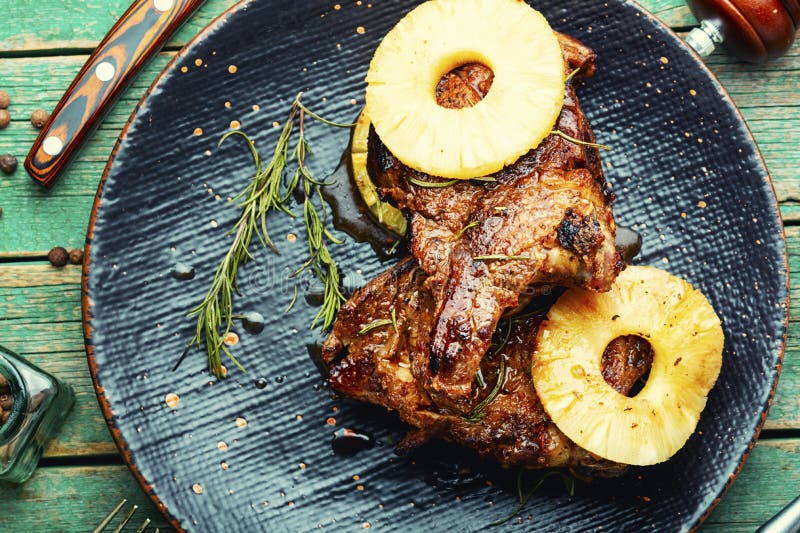
In general, fruits should not be consumed with acidic protein sources such as cooked meats.
Unless fruit contains the digestive enzyme called protease like with raw pineapple.
Combining an acidic food with an alkaline food like fruit tends to stop the digestion of both foods.
Fruit especially sweet fruit digests best when eaten alone. However, you will be able to eat certain types of fruit with certain types of raw protein.
Raw complete protein sources: proper food combining tips.
Generally, "raw" complete protein sources, which will contain nutrients like enzymes and beneficial bacteria, will be much easier to digest than cooked complete protein sources.
Raw complete proteins will include raw meats, raw eggs, raw cheese, raw seafood, and raw milk.

These raw complete protein sources will all require a more acidic type of environment to be properly digested.
Although, some of the food combining rules differ from cooked complete protein sources because raw foods are known to contain good bacteria and digestive enzymes.
Fruits that can be combined with raw complete protein sources.
As a general rule, don't get too carried away with the consumption of fruit. However, some fruits can be combined with the raw complete protein sources.

Low carb fruits like avocado, peppers, and tomato can be eaten with raw complete proteins. This can include raw cheese, raw seafood, and raw meats.

Sweet and more alkaline fruits like bananas, papayas, dates, and berries can be eaten with raw unsalted cheese and occasionally with raw eggs and raw milk.
Acidic fruits like lemons, limes, oranges, and pineapple can be eaten with poultry or fish in combination with an added raw fat.

You can use a raw fat like raw cream, raw butter, raw coconut cream, or avocado.
I like to marinate wild caught shrimp in lemon juice to make a refreshing shrimp ceviche. Then top it with fresh slices of avocado and pieces of fresh cut pineapple.
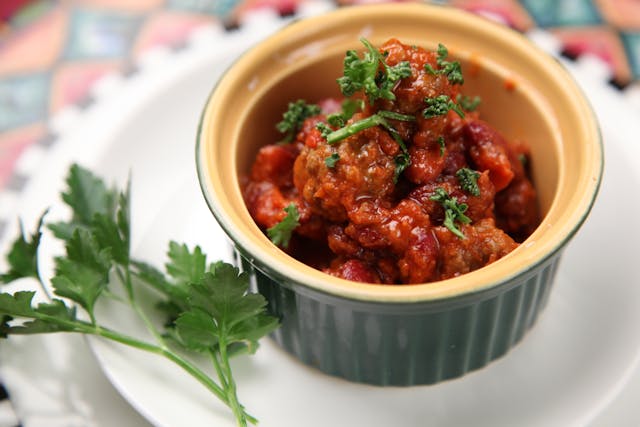
Acidic fruits can be eaten with red meats, but it's better to mix just a little acidic fruit with a raw fat to make a sauce for red meat.
Tomatoes are an acidic fruit and I like to use them occasionally to flavor a raw meat dish.
I also like to use a good quality extra virgin olive oil for my fat that I hope is raw.
Raw fats that you can combine with raw complete protein sources.
Cold-pressed oils like extra virgin olive oil that were not heated above 96 degrees F. are considered raw.
Cold-pressed oils are compatible with raw seafood, raw red meats, raw cheese, and raw poultry.

Unsalted raw butter, raw coconut cream, and raw cream (sour cream is best for meats) are compatible with raw eggs, raw milk, raw poultry, raw seafood, raw red meats, and raw cheese.
Raw honey can be combined with raw complete protein sources!
You can eat raw honey with raw meats, raw eggs, raw cheese, raw milk, and raw seafood.
Raw or specifically "unheated honey" is a very special food that comes with digestive enzymes that aid with the digestion of any of the raw complete proteins.

I seem to prefer the thicker raw unheated honey because I now believe that any honey that is too liquid was probably heated.
What about combining cooked starches with raw complete proteins?
You can if it agrees with you, but I would not do it too often. At least a few times a month, I'll eat cooked rice with raw fish or in a poke bowl.

Cooked starches with raw fish or raw meat doesn't seem to really cause too much digestive stress for me.
Sometimes I'll make me a raw meat sandwich.
I'll use a slice of organic sourdough bread, nutrient dense raw butter, raw grass-fed ground beef, and slather on a little mustard, which is usually a fermented mustard that is homemade.
Warning: never combine lots of raw vegetables with raw complete proteins!


Raw vegetables like a large raw leafy green salad, raw vegetable juices, or raw carrot sticks are too alkaline to be compatible with acidic raw complete protein sources.
However, a little bit of chopped raw onion, raw herbs or raw garlic seem to be okay.
Raw eggs are the most digestible of the easy to digest proteins!
Eating a raw egg by itself "rocky style" will only take about 20 to 30 minutes to fully digest. It's really the most digestible of all the raw complete protein sources.

For every large organic pastured chicken egg, you'll receive about 6 grams of high quality complete protein and about 5 grams of high quality animal fat.
I consume at least 2 raw chicken eggs per day - usually to get my day started in the morning. They also make great pick-me-ups during the day.
- Home
- Eating Raw Foods
- Easy to Digest Protein
Recent Articles


-
Advanced glycation end products: glycation, effects of, low AGEs diet.
Sep 03, 26 04:13 PM
 AGEs is short for advanced glycation end products that is an ominous warning because that's exactly what they'll do - they AGE you!!
 -
Reasons why you need protein: deficiency, God code & building blocks.
Aug 30, 26 03:49 PM
 Why you need protein is a vast subject. Basically, you need protein to maintain your body and to build new proteins that will help you to evolve.
 -
Best sources of healthy fats: saturated fats and rabbit starvation.
Aug 17, 26 04:38 PM
 The best sources of healthy fats will surprisingly be found in a tropical fruit, seafood, and in the fat of animal foods.