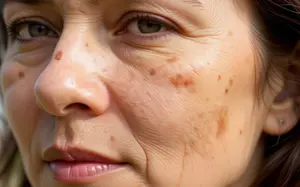
Acrylamide in foods: the main sources, health effects, and how to reduce.
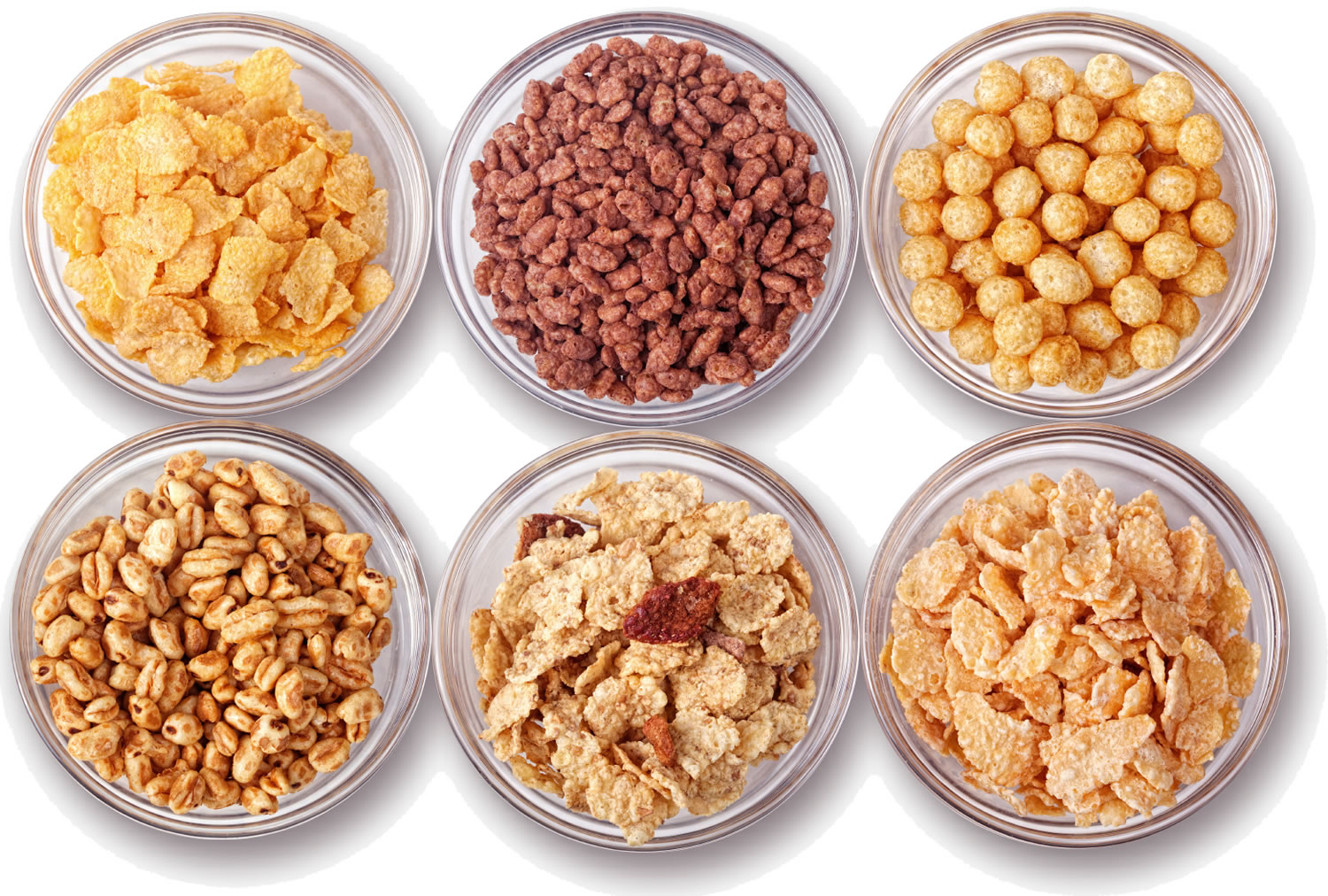
Acrylamide in foods will primarily be found in starchy foods that have been cooked at high temperatures.
Acrylamides are known to cause numerous health problems (some very serious) and will age you!!
I have to stress that you will want to eliminate as much of this toxin as possible if you want to feel and look your best.
You should start reducing acrylamides now because acrylamides are a nasty toxin that will store in your body at a rate of 70 to 90%.
Acrylamide in foods: how does this occur?
Acrylamides occur when simple sugars like glucose or fructose and a free amino acid called asparagine are present in a food, get subjected to high heat.
By the way, asparagine is present in a lot of your foods!

When these foods are subjected to high temperatures a "browning reaction" is created as well as acrylamides.
Acrylamides are more abundant in plant foods that contain starch that have been fried, baked, grilled, or roasted. However, you will find acrylamides in cooked animal foods too.

The highest amount of acrylamide in foods will most likely be found in fried potatoes (crisps, fries, chips), roasted potatoes, breakfast cereals, and cereal grains cooked at high temperatures.
Main sources of acrylamide: some of the biggest offenders!
Deep Fried Potato Crisps and Chips

Deep Fried French Fries
Roasted Root Vegetables
Baked Potato Chips

Burnt Slices of Toast
Graham Crackers
Corn Chips and Pretzels

Instant Coffee and Dark Roasted
Chicory Root Coffee
Commercial Prune Juice

Grilling Meats at High Temps
Grilled Starchy Foods

Commercial Cocoa Beans (Chocolate Candy, Hershey's Cocoa, etc.)
Pizza Cooked at High Temperatures with Burnt or Charred Crusts

Crispbreads
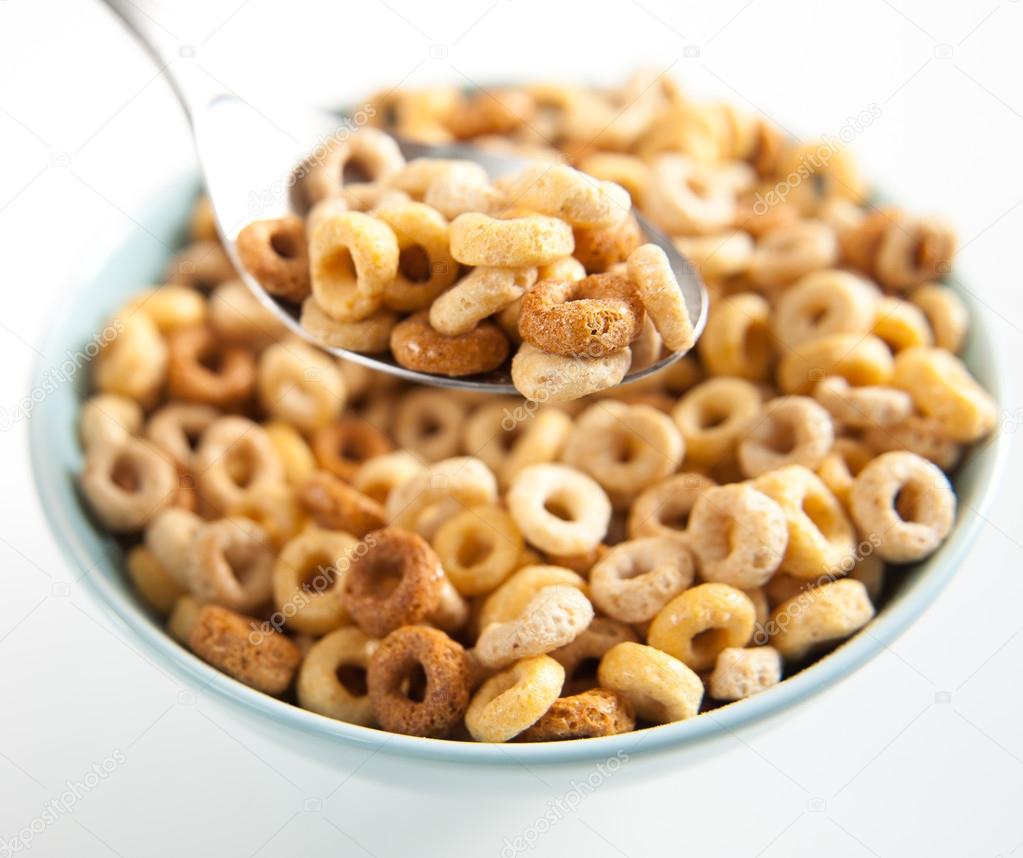
Breakfast Cereals (Cheerios, Raisin Bran, Lucky Charms, etc.)
Fried Donuts and Fried Pastries

Fried Apple Pies and Turnovers
Caramelized Foods
Commercial Biscuits and Cookies

Deep Fried Chicken
Battered and Deep Fried Fish

Peanut Butter
Roasted Cashews and Nut Butters
Toasted Corn Nuts

Canned Black Olives
Health affects: can acrylamide in foods affect your health?

That's a big YES!
Acrylamides are a potent neurotoxin that increase the risk of Alzheimer's and other brain disorders.
Acrylamides really seem to affect the nervous system, which may result in tremors, numbness, and clumsiness.
Acrylamides are known to damage reproductive glands especially in men and may also negatively affect a fetus growing in the womb.
Also, acrylamides have been connected to increasing the odds of developing cancer!
Glutathione is one of the most protective antioxidants you have and will most likely get depleted when consuming too many acrylamide in foods. Means that you will not be able to detoxify your body as well anymore!
How to reduce acrylamide in foods: raw foods and some tips.
By adding more raw foods into your diet, you will automatically cut down on the consumption of acrylamide in foods!

Did you know there are really no detectable levels of acrylamides in raw foods? This is one of the reasons why raw food diets can be very beneficial to one's health.
Raw foods low in acrylamides will include a wide variety of plant foods, raw dairy foods, raw eggs, raw meats, and raw seafood.
Important cooking tips.................
Breads with a prolonged yeast fermentation will reduce the formation of acrylamides and the different types of wheat flour will influence acrylamide levels in your baked goods.
Ancient grains like einkorn wheat has less starch than modern-day wheat, which can reduce acrylamide formation.

Lightly toast your bread rather than letting it go to a dark brown color and remove the crust from bread to eliminate even more of this toxin.

Consume sourdough cookies, breads, crackers, pastries, and pizza dough that's been fermented for at least 24 hours (72 hours is better) to also reduce acrylamides.
Sourdough cookies that ferment for 72 hours are healthier because the long fermentation process breaks down the gluten and phytic acid, making them much easier to digest.
In general, your baked goods should be a golden light brown color and not a dark brown color to reduce acrylamide formation. Cooking foods at a lower temperature whenever possible is another way.

Soaking potatoes in water for 30 minutes to 2 hours before frying, baking, or roasting reduces acrylamide formation.
Russet potatoes tend to form more acrylamides, so try using red potatoes or new potatoes that have a lower starch content.
Instead of feeding your children commercial breakfast cereals, make an old fashioned oatmeal porridge, which is low in acrylamides.
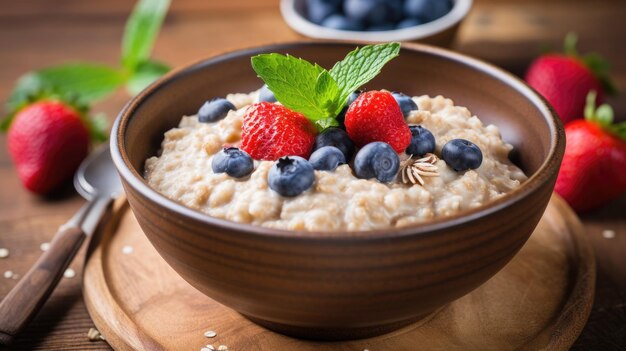
Just be sure to soak the oats with a culture like yogurt or kefir for at least 12 hours to reduce the anti-nutrients found in oats.
Don't bake at high temperatures with sweeteners or fruits that are high in fructose because they will create a lot of acrylamides. Don't bake with agave nectar or really ripe fruit!!
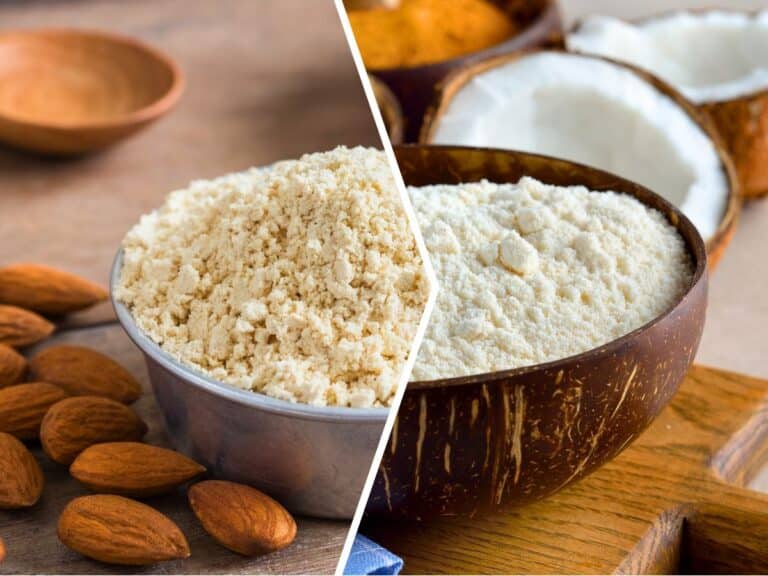
Paleo flours lower in asparagine can lower the amount of acrylamide levels in baked goods. Experiment with almond flour, coconut flour, and cassava flour.
Frequently turn your meats and starchy foods when grilling them to avoid charring your food, which is a sign of high acrylamides.

Stewing, boiling, or steaming your food will produce very little amounts of this food toxin. I recommend you get yourself a slow cooker to make cooking easier and experiment with steaming your foods.

According to this article, "A Little Rosemary Can Go a Long Way in Reducing Acrylamide in Food".
Antioxidants from herbs like rosemary and green tea have proven to reduce levels of this toxin.
Adding lemon juice when cooking or incorporating vinegar into a marinade can help to reduce acrylamide in foods, especially when grilling.
Make better choices to cut down on acrylamides!
Recently, I read a study that showed deficient soils may also contribute to higher acrylamide formation in foods.

Therefore, do your best to buy organic foods that were grown in nutrient dense soils. And please cut down on processed foods as much as possible!
Processed foods typically contain a high amount of this toxin. They are often low quality foods cooked at very high temperatures.
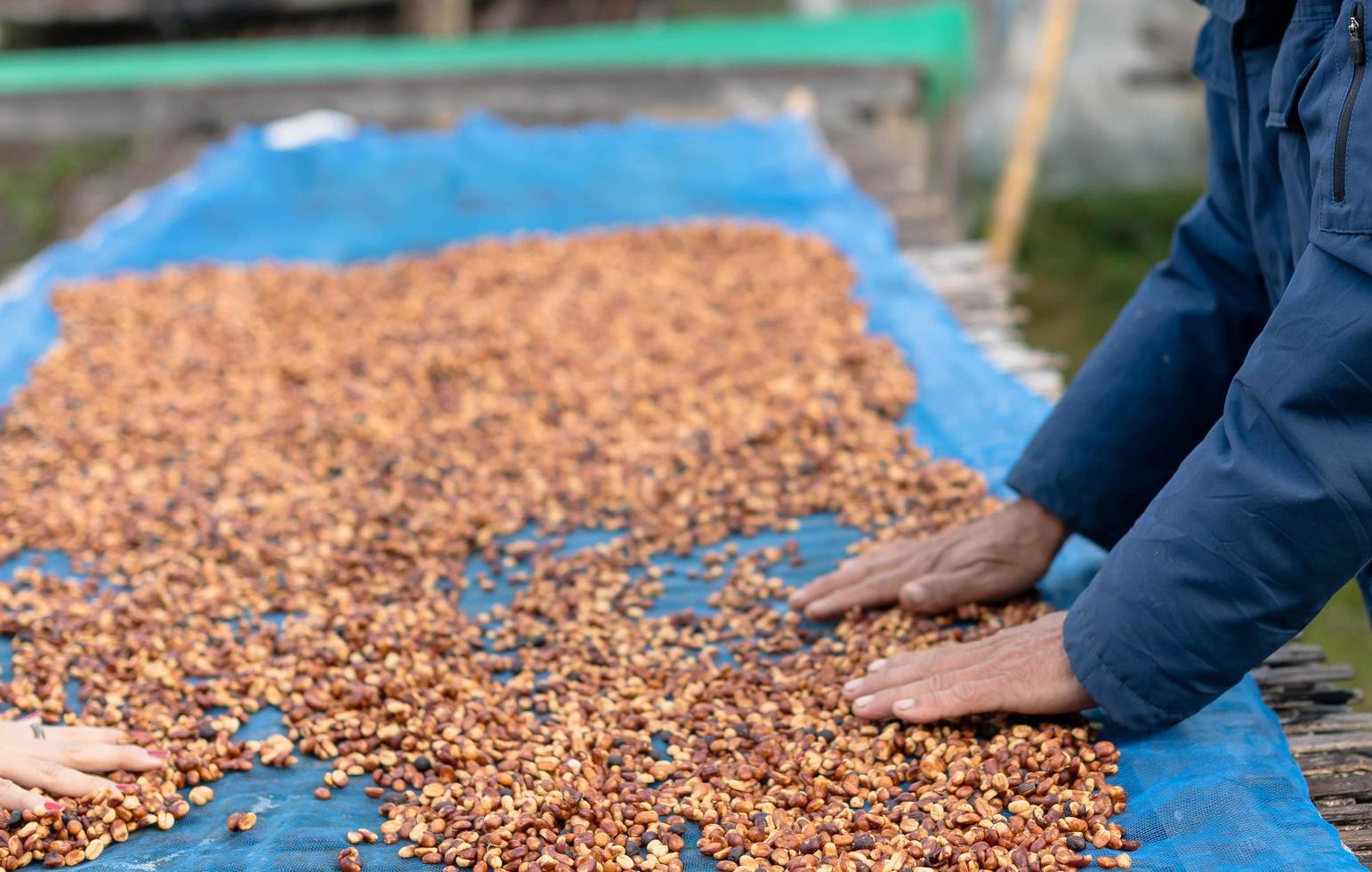
For coffee drinkers: drink coffee that was made from beans that's roasted at lower temperatures or dried in the sun. Remember, the darker the roast the more acrylamides!

Getting rid of habits such as tobacco smoking which also provides an ample amount of acrylamides will be necessary to reduce this toxin.
Did you know they regulate the amount of acrylamide found in our drinking water?
According to the department of health in Minnesota....
"Because polyacrylamide is used to treat drinking water, a small amount of acrylamide impurity has also been detected in drinking water from one public water supplier. The level of acrylamide in drinking water is tightly controlled by water utilities and is not a health concern."

"The majority of acrylamide exposure occurs through the diet, with a much smaller proportion of acrylamide coming from drinking water. MDH reviewed data 1 that suggests most Americans consume an amount of acrylamide in their diet to cause public health concern."
I think it goes without saying - the importance of minimizing your exposure to acrylamides, especially acrylamide in foods, may be necessary in order to stay truly healthy.
- Home
- Eating Raw Foods
- Acrylamide in Foods
Recent Articles


-
Advanced glycation end products: glycation, effects of, low AGEs diet.
Sep 03, 26 04:13 PM
 AGEs is short for advanced glycation end products that is an ominous warning because that's exactly what they'll do - they AGE you!!
 -
Reasons why you need protein: deficiency, God code & building blocks.
Aug 30, 26 03:49 PM
 Why you need protein is a vast subject. Basically, you need protein to maintain your body and to build new proteins that will help you to evolve.
 -
Best sources of healthy fats: saturated fats and rabbit starvation.
Aug 17, 26 04:38 PM
 The best sources of healthy fats will surprisingly be found in a tropical fruit, seafood, and in the fat of animal foods.