What is the microbiome: Akkermansia, short-chained fatty acids, eating high meat, and the germ theory.
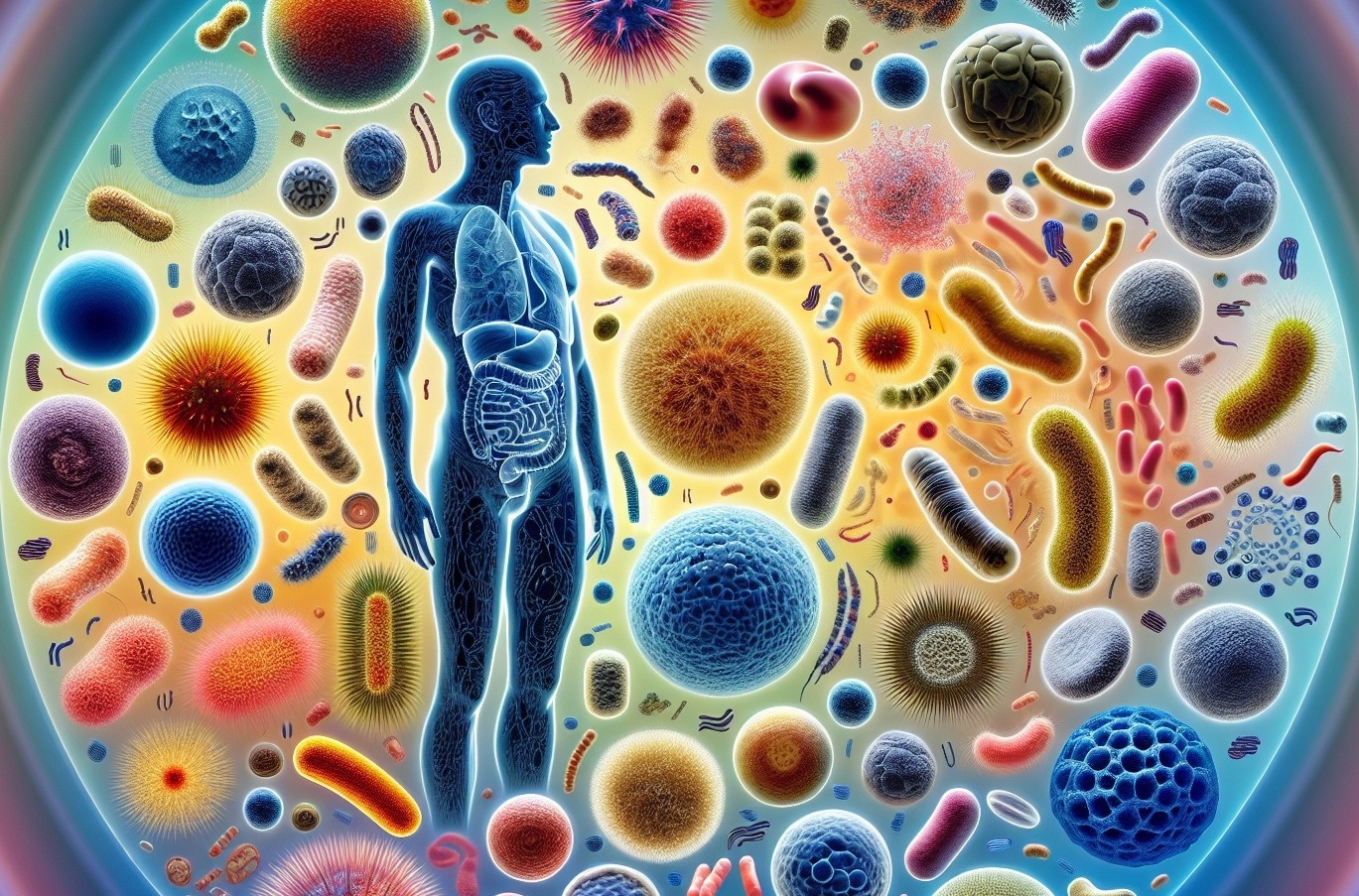
What is the microbiome and its role in keeping you healthy? It's probably one of the most important and overlooked areas in the field of health.
The microbiome includes every microbe that's on and inside of your body, which by the way numbers into the trillions.
However, we're going to focus on the gut microbiome and I will give you tips on how to improve your health, which includes learning how to make high meat, which flies in the face of the germ theory.
Keeping your gut microbiome healthy is very similar to tending a garden which relies on good topsoil that contains beneficial microbes.
According to Natasha Campbell-McBride founder of the GAPS diet, your gut microbiome is the topsoil. All life begins there and all life ends there!
Beneficial microbes that live in your gut can make vitamins that you can't like vitamins K2, B12, and vitamin C. These microbes can also digest food components that you can't digest.
What is the microbiome's population and what's most dominant?
We actually have more microbes in our bodies than we do human cells, which is astounding and these microbes will talk to each other like microbes do in a garden.
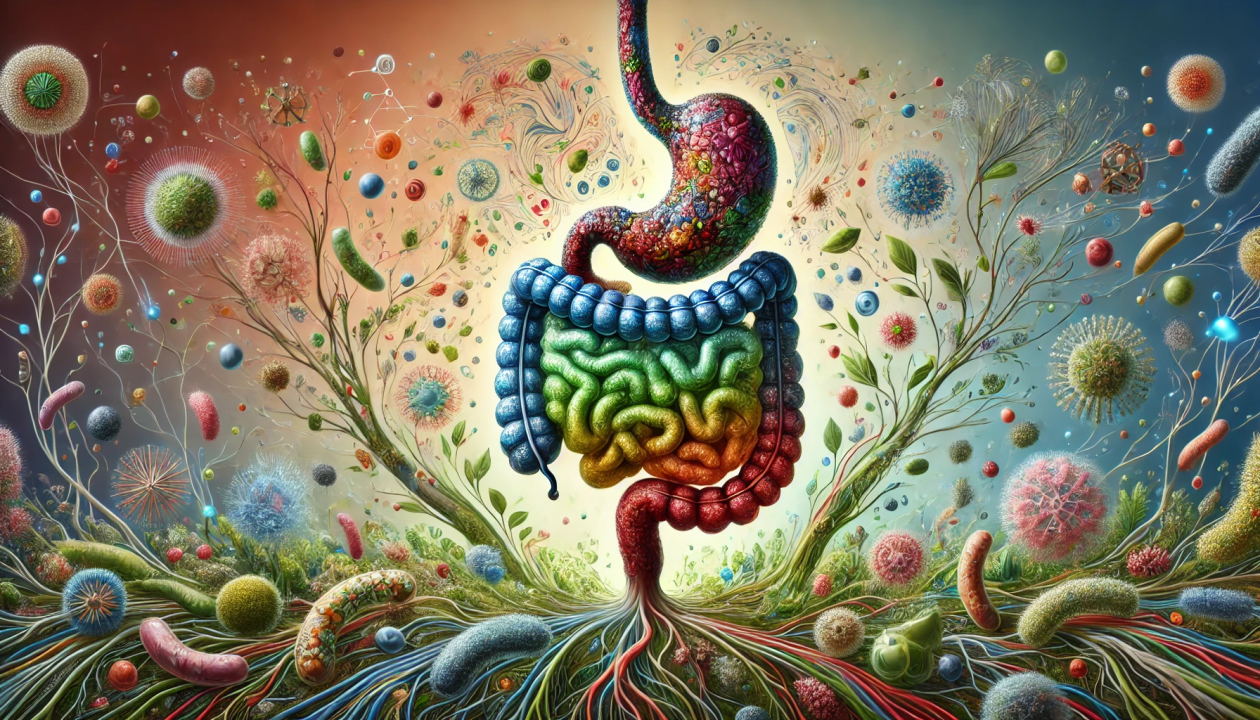
The gut microbiome is an ever-changing dynamic ecosystem composed possibly of 100 trillion microbes that include fungi, bacteria, parasites, and virus. It's primarily composed of different species of bacteria.
What is the microbiome's role when it comes to a healthy gut?
Birth microbes like Akkermansia help to maintain the protective mucus layer of your intestinal wall, which is vital for gut health throughout your entire adult life.
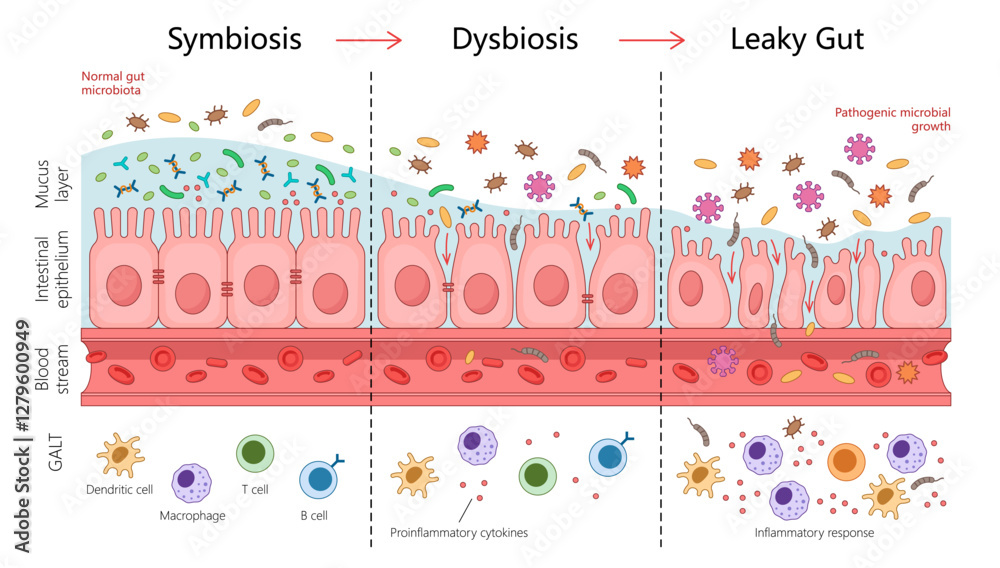
With enough of the right types of microbes, you'll be much happier and healthier! Beneficial microbes help you avoid a leaky gut, which can allow harmful microbes, undigested food, and toxins to invade your body.
What is the microbiome's role when it comes to mental health?
Beneficial microbes like Akkermansia can produce GABA a neurotransmitter that can reduce stress and anxiety. Microbes affect your mood through the gut-brain axis.

Microbes also help to make feel good chemicals like serotonin. Serotonin is a precursor to melatonin a very important hormone, which regulates your sleep cycle.
What is the microbiome's favorite things for you to do that help them to thrive?
Natural light from the sun especially the morning sunlight is what is the microbiome's favorite thing, so make sure you get sunlight every day.
Please don't wear sunglasses, hats, or sunscreen as this interferes with the microbes getting their needed sunlight.

Nutrient dense foods that are grown or raised in natural and chemical-free environments is another what is the microbiome's favorite thing.
"You are what you eat", is a saying that really matters when it comes to the microbiome because they are the ones that really feed you.
Keep in mind that your microbes require different types of foods to keep them alive. Some require prebiotic fibers or sugars, some prefer glycoproteins, and others like healthy fats.

Another what is the microbiome's favorite thing is bonding and having a sense of community with other human beings or with fury friends.
The microbiome likes lots of hugs and kisses! They also love it when you dance and sing.
What is the microbiome's worst enemy that will be shocking?
Antibiotics are what is the microbiome's worst enemy. These drugs have not only destroyed beneficial microbes, but play havoc with the microbiome!
According to the founder of the GAPS diet, when you take an antibiotic, you won't kill the bad bacteria. They'll just change into L-form bacteria that has the potential to create chronic disease.
Please be sure you don't use antibiotics unless it's absolutely necessary.
The L-form of bacteria lost their cell wall when exposed to antibiotics and for some reason it made me think of the movie Flubber starring Robin Williams.

That's because they are like a blob that has no cell wall. They can take any shape or form, and can evolve into different forms of microbes.
This blob-like creature that starts as bacteria, can morph into protozoa, then into fungus that starts growing fruiting bodies that releases spores.
It's just one creature with different stages of development that never dies and just evolves! And they hide in cells and can produce trillions of babies!
Industrialized foods found at grocery stores that are full of glyphosate and chemicals is another big foe for the gut microbiome. It's the same as taking an antibiotic according to the founder of the GAPS diet.
Blue light from technology is another big problem and EMF that comes with technology is a big negative for your microbiome. Beneficial microbes prefer the feeling of being in nature.

Synthetic clothing especially your yoga exercise wear is another what is the microbiome's enemy. Switch to natural fibers like linen, silk, wool, and organic cotton.
What you put on your body does affect the microbiome and that includes your personal care products and your cleaning products.

Stress is another big enemy of the microbiome and has a very negative effect. You might want to cut back on activities that create high amounts of cortisol, which is a stress hormone.
Remember, your gut is like a garden and you can help decide what grows there and what doesn't by the choices that you make.
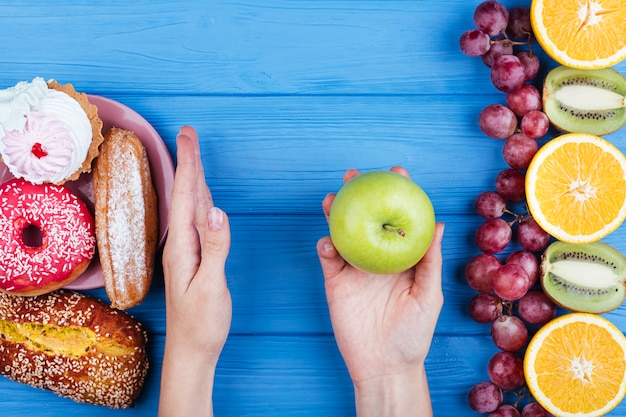
If you make healthy choices, you'll grow good microbes and if you make unhealthy choices like eating processed foods, you'll grow pesty microbes.
Is your gut a symbiotic garden full of beneficial microbes or is it full of unwanted pests and gaps? Keep in mind that your microbiome can always be changed!
Akkermansia: birth microbes, blooming foods, GLP-1, and mucin lover.
Akkermansia or Akkermansia muciniphila to be more exact is a microbe that was discovered in 2004. It's a beneficial bacteria that colonizes the mucus layer of your intestinal wall.
- Akkermansia should be found in infants shortly after a vaginal birth and it's a birth microbe.
Birth microbes are the microbes you were meant to be born with through a vaginal birth, which are then fed with breast milk.

There're about 200 birth microbes found in infants born naturally from a mother who never took antibiotics and ate a traditional diet according to Mary Ruddick an ancestral nutritionist and microbiome specialist.
Mary Ruddick says that these very important birth microbes are starting to become endangered!
This is a big problem because birth microbes like Akkermansia contribute to a healthy gut microbiome, which is essential for digestion and overall health.
Unfortunately, these birth microbes are dropping in numbers because of C-section births, baby formula, the standard American diet, and antibiotics.

I think controversial medical practices and the overuse of antimicrobial products has been another nail in the coffin for our birth microbes along with exposure to too many toxic chemicals.
Mary says, we are lucky if we still have a handful and there really isn't a way to get them back once they are gone.
You see birth microbes are often anaerobes, which means they will die in the presence of oxygen. This makes it very difficult to find them in our food.
If you have zero or low levels of Akkermansia (find out with a stool test), you can now buy Akkermansia in a specially-made probiotic and plant this birth microbe into your gut.
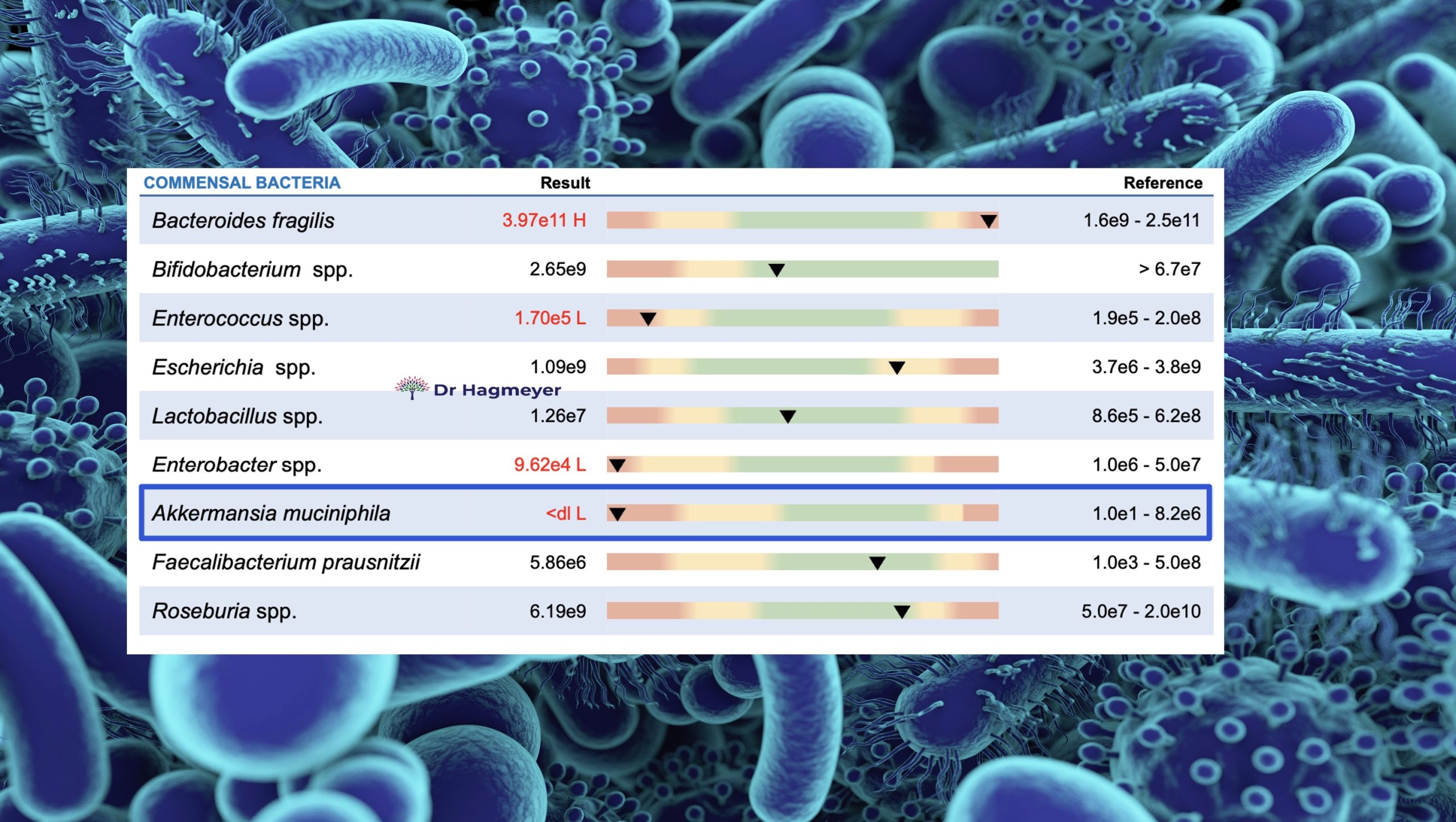
However, Akkermansia could be dormant in your body and may not show up on a stool test. You may be able to coax Akkermansia out of hiding with certain types of foods, which is similar to coaxing dormant native seeds out of a pasture.
Another approach is taking the Akkermansia probiotic for a few months and then feeding Akkermansia to grow more.
Foods that help you to bloom more Akkermansia.
Prebiotic foods will help to bloom or grow your Akkermansia. Prebiotic foods are not digestible to humans, but they feed beneficial gut bacteria.
- Akkermansia really seems to like foods with oligosaccharides, which are prebiotic simple sugars.
What is the microbiome's favorite oligosaccharides for growing more Akkermansia?
Human milk oligosaccharides or HMOs are indigestible for infants, but they serve as a prebiotic which nourishes the beneficial gut bacteria.

Akkermansia utilizes the oligosaccharides in breast milk for its growth and this microbe has also been found in breast milk. Sadly, Akkermansia hasn't been found in any other type of food.
However, there are other prebiotic foods that can help to bloom or grow more Akkermansia.
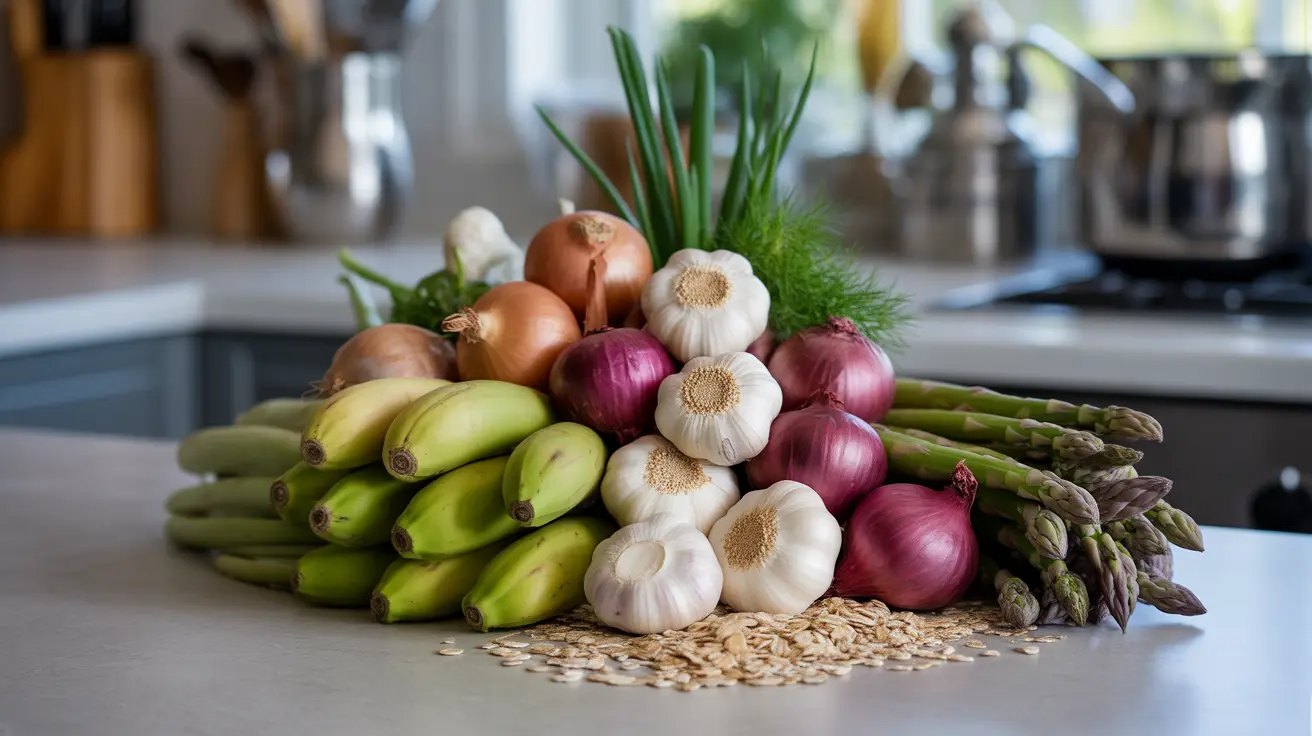
Prebiotic foods that contain fructo-oligosaccharides like red onions, garlic, leeks, shallots, asparagus, ripe bananas, and yacon can increase the growth of Akkermansia in your gut.
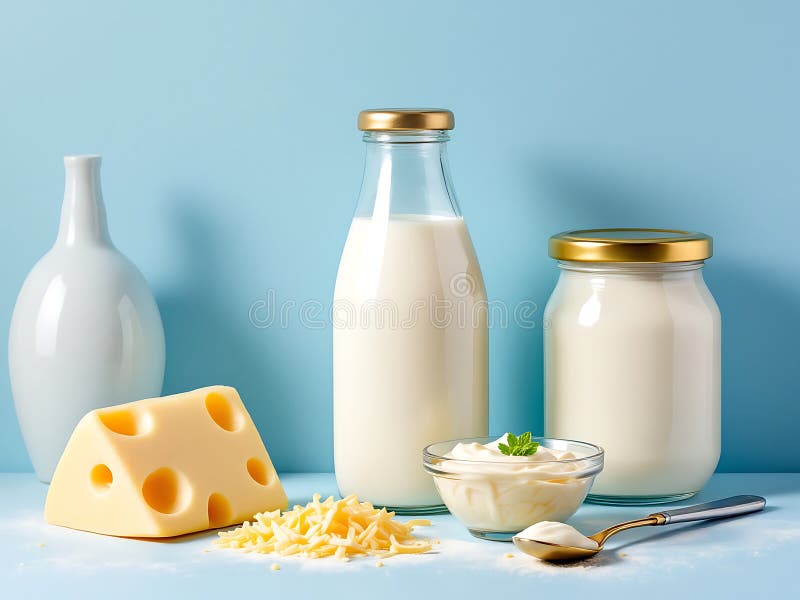
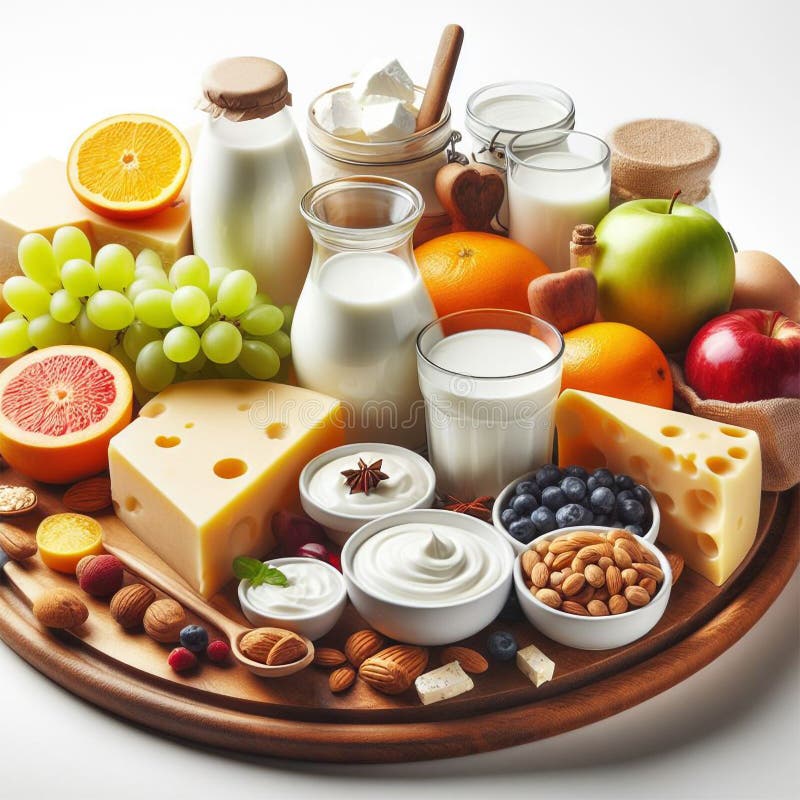
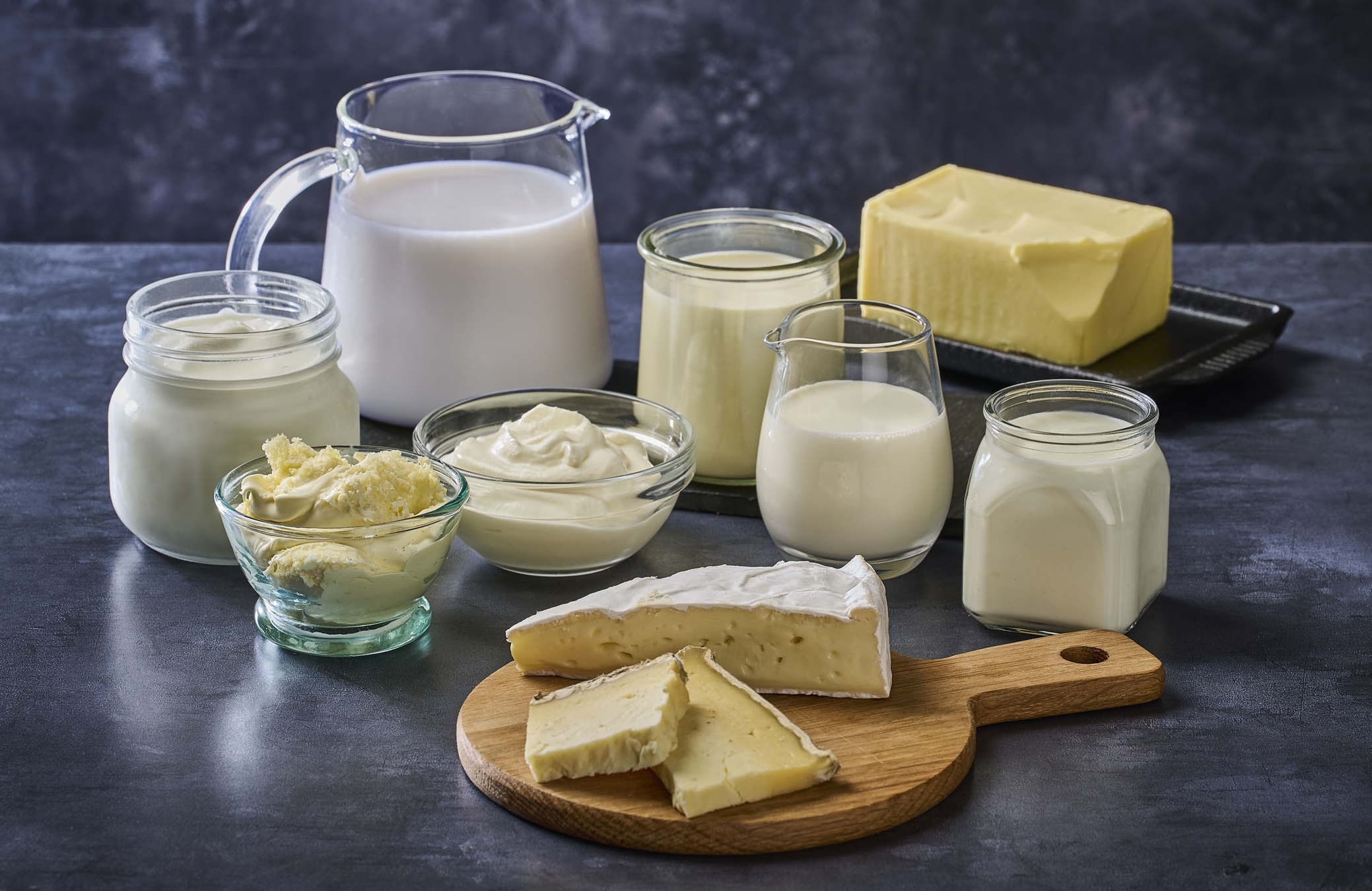
Prebiotic foods that contain galacto-oligosaccharides like raw whole milk, yogurt, cheese, peas, chickpeas, and figs will help increase Akkermansia in your gut as well.
It has been shown that prebiotic foods high in polyphenols are some of the best foods for blooming or growing more Akkermansia.
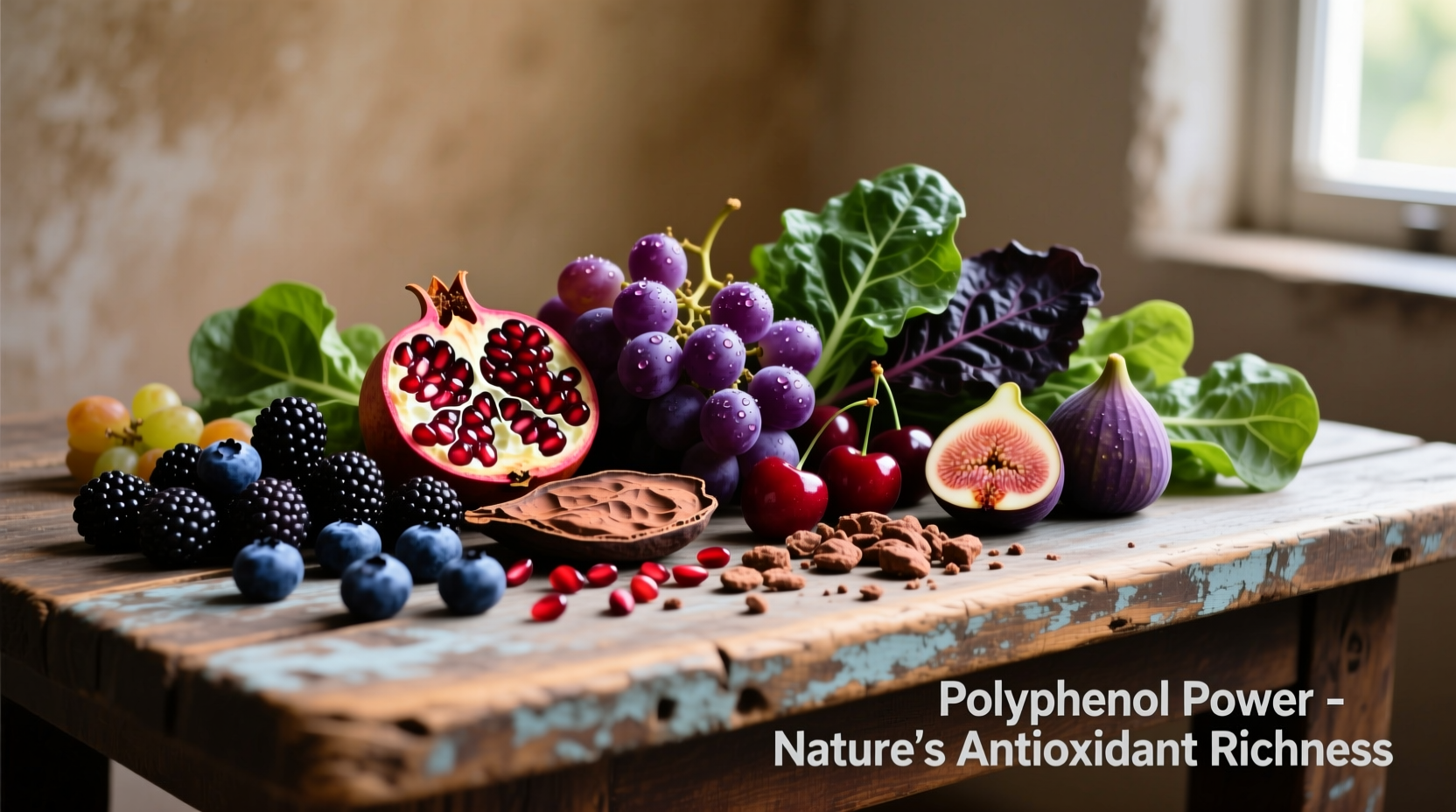
Polyphenols that boost Akkermansia are found in pomegranates, apples with the peel, red grapes with seeds, dark berries, dark leafy greens, dark chocolate, walnuts, coffee, EVOO, and green tea.
Prebiotic foods that contain dietary fibers is another way to boost more Akkermansia for the gut microbiome.
What is the microbiome's favorite inulin foods for Akkermansia?
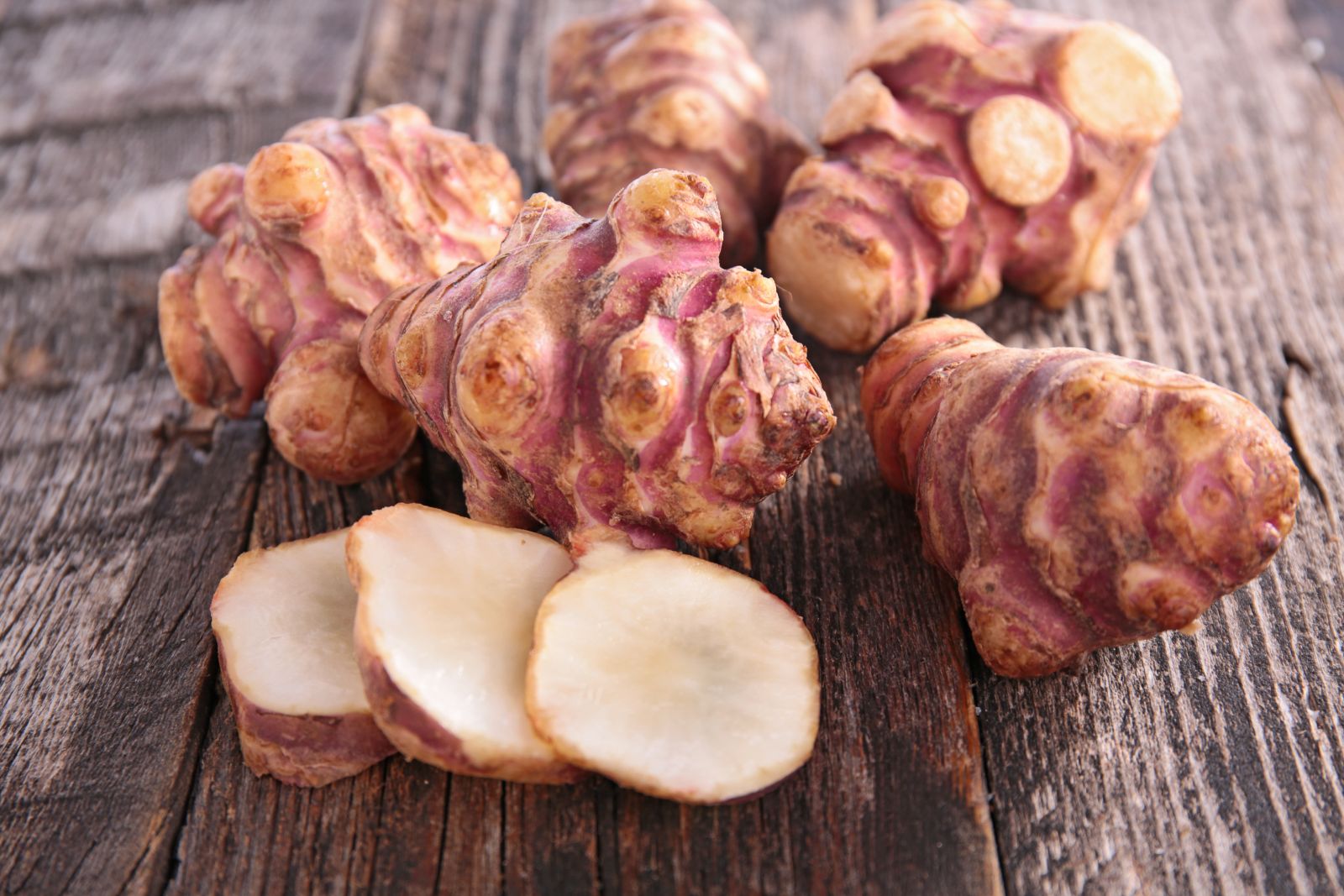
Some of the best inulin foods for Akkermansia are Jerusalem artichokes aka sunchokes, chickory root, dandelion root, and leeks.
Prebiotic foods that contain inulin, which are polysaccharides that are not digestible in the small intestine, will be used as food for the microbes in the large intestine.
What is the microbiome's favorite resistant starch for Akkermansia?
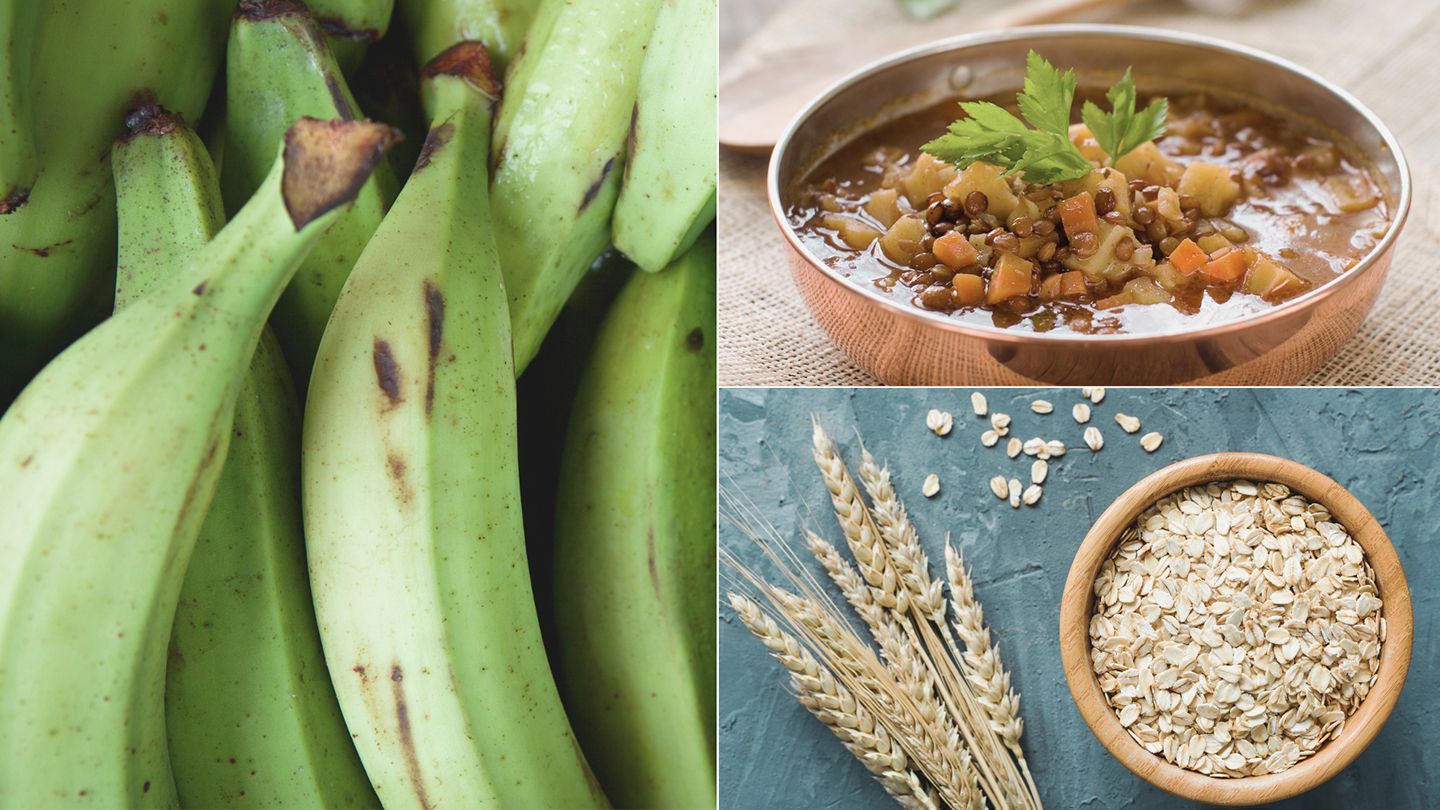
Prebiotic resistant starches like green bananas, lentils, oats, sourdough bread, and cooked and cooled potatoes or rice help to promote the growth of Akkermansia.
Resistant starches are another type of dietary fiber that resists digestion in the small intestine and just passes into the large intestine - where they can be fermented by beneficial gut bacteria.
What is the microbiome's favorite support foods for Akkermansia?
Fermented foods like kimchee, sauerkraut, yogurt, kefir, and traditionally prepared kombucha provide the probiotics that work with Akkermansia to keep your gut microbiome functioning.

These fermented foods will provide your gut with beneficial bacteria like Lactobacillus, Streptococcusd, and Bifidobacteria that are a few strains that enhance your overall gut microbial diversity, which indirectly supports Akkermansia.
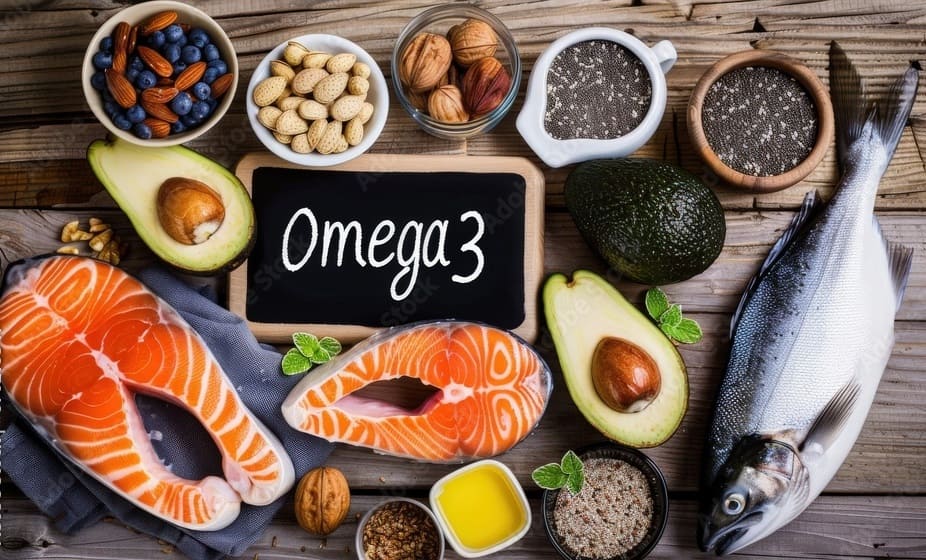
Healthy fats are very supportive especially the omega 3 fatty acids that are found in fatty fish, grass fed animal foods, flax seeds, and chia seeds.
It's because healthy fats support your gut lining and mucus production. Healthy fats will help to maintain a healthy habitat for Akkermansia.
Mucin enhancing foods that contain glycoproteins, which are proteins with oligosaccharide (sugar) chains attached to them, stimulates intestinal mucus secretion that provides more food for Akkermansia.
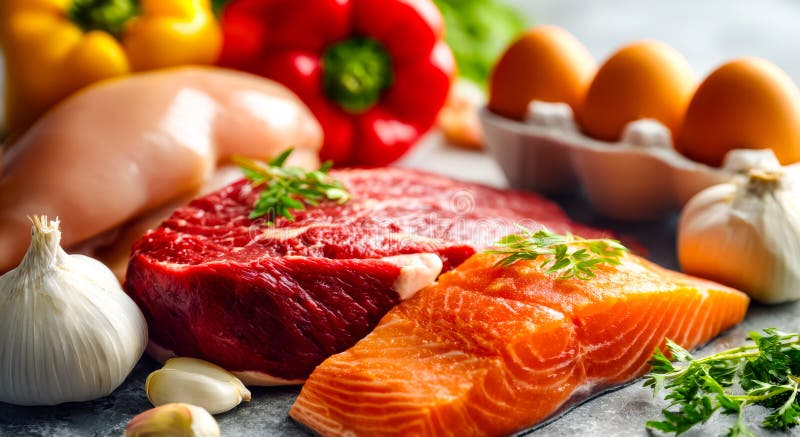
Mucin enhancing foods are quality red meats, meat stock, fish, eggs, soy-based products like tempeh, and dairy foods. Look for labels like pasture-raised, wild-caught, organic, and grass fed for the best results.
Medicinal mushrooms like reishi, shitake, oyster mushrooms, oranges, and tomatoes can also provide glycoproteins for Akkermansia.
Be aware that consuming too much sugar or carbohydrates will suppress beneficial bacteria, which can result in fungal problems like candida.
This should give you a good idea of foods that'll provide the right environment for Akkermansia. Did you know Akkermansia affects your metabolism and can increase your GLP-1?
Akkermansia can naturally increase your GLP-1.
Mary Ruddick calls Akkermansia nature's Ozempic because of its natural ability to produce GLP-1.
GLP-1 signals for satiety or the sense that you've had enough to eat by activating certain areas of your brain.
GLP-1 drugs appears to be the latest craze when it comes to losing weight fast these days, especially in Hollywood.
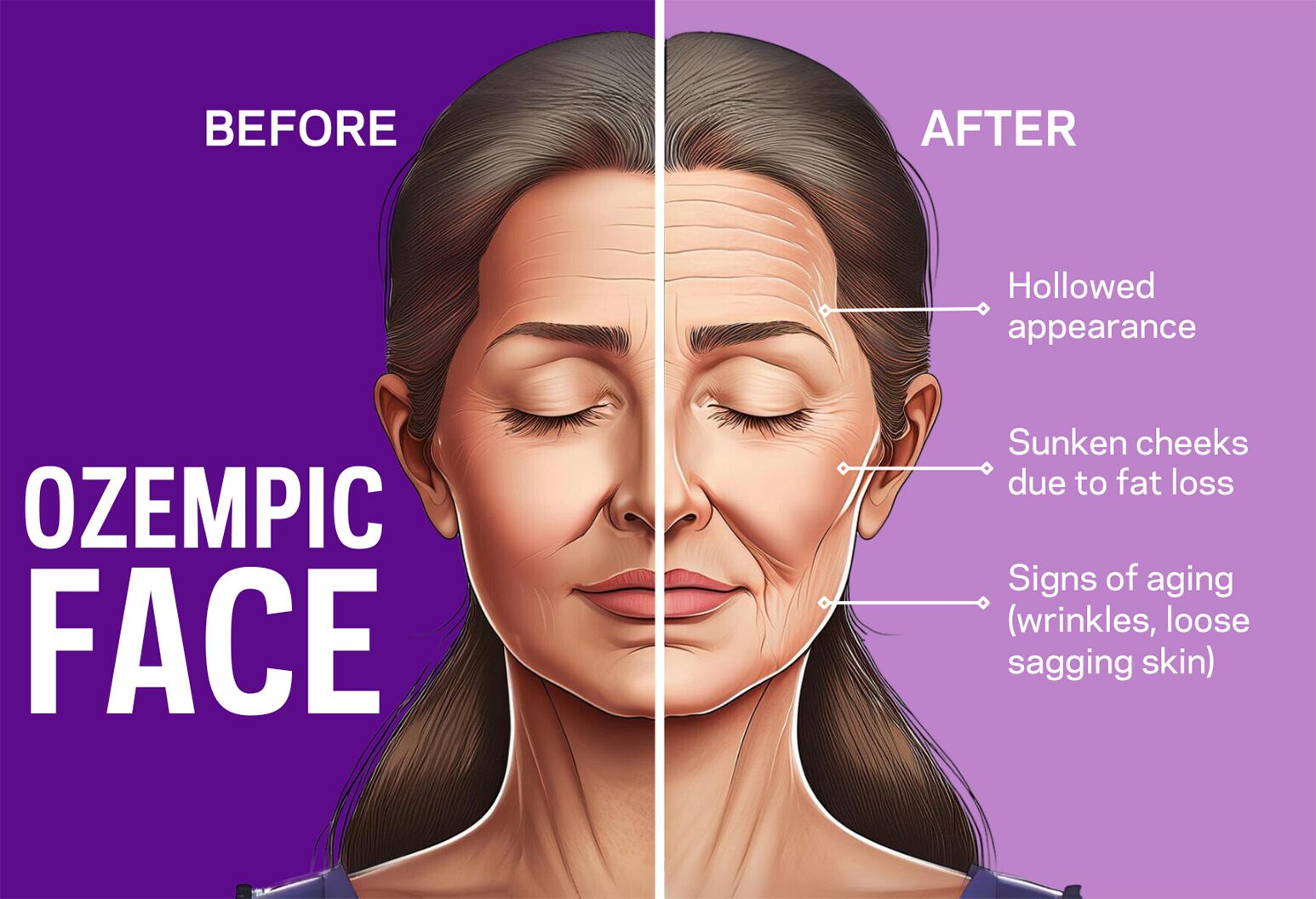
However, these drugs come with side effects like muscle wasting and you might also gain the weight right back after you stop taking GLP-1 drugs.
GLP-1 aka glucagon-like peptide-1, is a hormone that can be produced in your gut by this beneficial microbe, which plays a vital role in regulating your blood sugar levels.
Akkermansia will enhance the secretion of GLP-1 that regulates insulin release and appetite control.
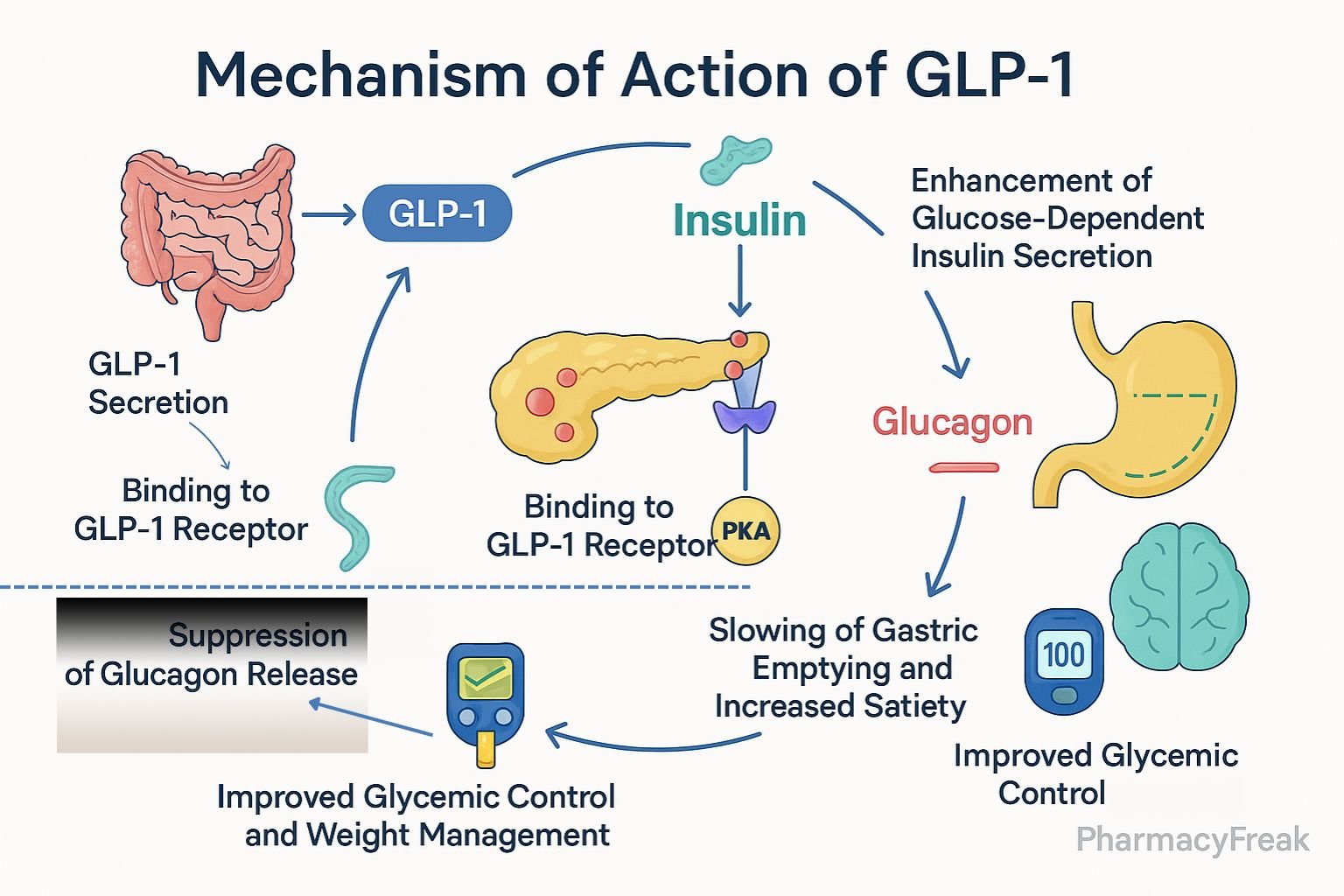
GLP-1 is released after you eat and helps to manage your glucose levels by stimulating insulin secretion and suppressing glucagon a hormone that raises your blood sugar.
Besides being able to produce GLP-1, this microbe plays a significant role in the mucus layer of your gut wall.
Akkermansia is a mucin lover and helps to create a strong gut wall.
Did you know that mucin is the main component of the mucus layer of your gut wall, which is a line of defense for your gut?
Mucin is actually a type of glycoprotein that is made from proteins with oligosaccharide chains attached to amino acid side chains.
Akkermansia lives in the mucin and uses mucin as a food source. This beneficial bacteria eats away old mucin and stimulates the production of new mucin.
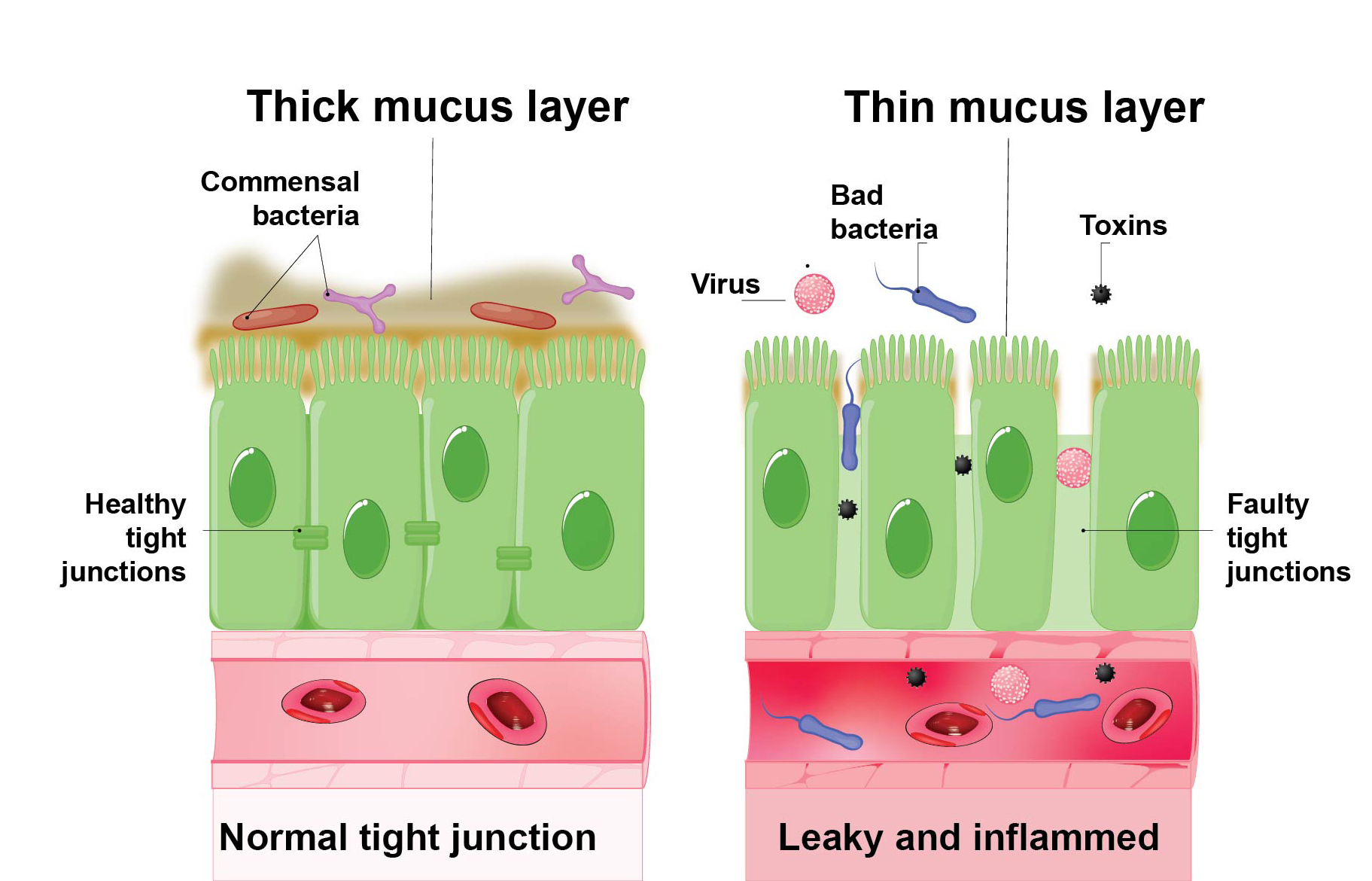
Mucin is a glue-like substance that creates tight junctions for epithelial cells and holds your gut wall together to prevent unwanted pests and toxins from entering.
If your mucus layer thins out or becomes too damaged, you will lose your Akkermansia and develop gaps or faulty junctions in your gut wall.
- A processed food diet, medications, excess stress hormones, drugs, disrupted circadian rhythm, aging, and menopause can all thin the mucus layer.
One of the main jobs of Akkermansia is making sure the protective mucus layer of your intestinal wall is being regulated.
If the mucus layer is too thick or too thin, this creates a bunch of health problems which include GI issues and not being able to metabolize your food.
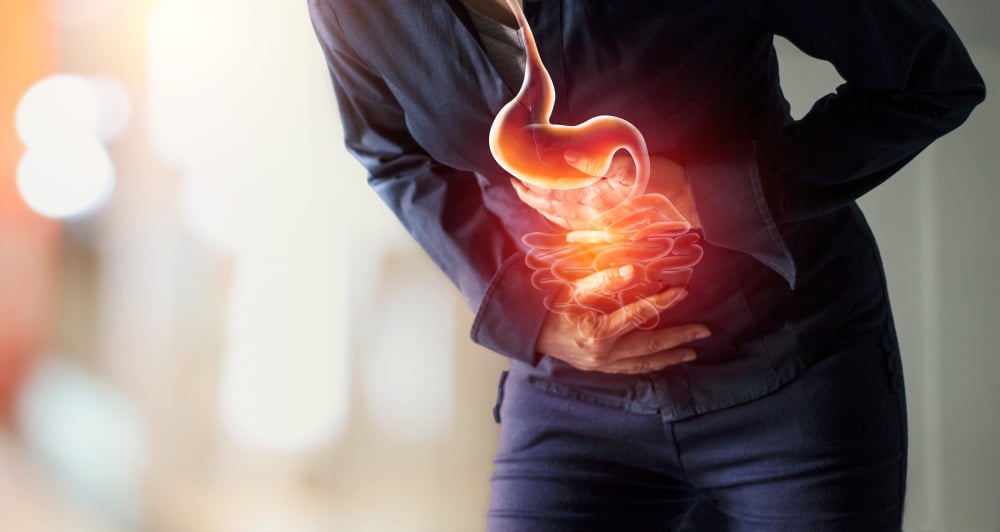
Low levels of Akkermansia are associated with: Leaky Gut, Inflammatory Issues, GI Distress, Obesity, Metabolism Issues, Blood Sugar Issues, Various Brain Disorders, Immune Disorders, and Food Sensitivities.
When Akkermansia breaks down glycoproteins found in mucin, it produces short-chain fatty acids, amino acids, and vitamins that help to feed its host and other bacteria.
Because of what it can do, Akkermansia is considered a keystone strain and a safe level of this beneficial bacteria is about 3 to 5% of what is the microbiome in your GI tract.
Beware: If you don't consume foods that contain prebiotics or the fibers that feed Akkermansia and other beneficial microbes, Akkermansia may start to proliferate.
Akkermansia could increase to 18 - 36% and start eating intestinal mucus because it has mucin, which this microbe loves to eat. This will create gut inflammation issues like colitis.
Your diet, other beneficial gut microbes, and overall gut diversity influence the growth of Akkermansia.
Please keep in mind, just because Akkermansia is a keystone bacteria it does not act alone and works very closely with other beneficial microbes.

Akkermansia may be the quarterback of the team, but Akkermansia will pass the ball to other important players to maintain the structure of the gut lining.
For example: When Akkermansia eats mucin or prebiotic foods, which is a fermentation process, this creates two of the short-chain fatty acids called propionate and acetate.
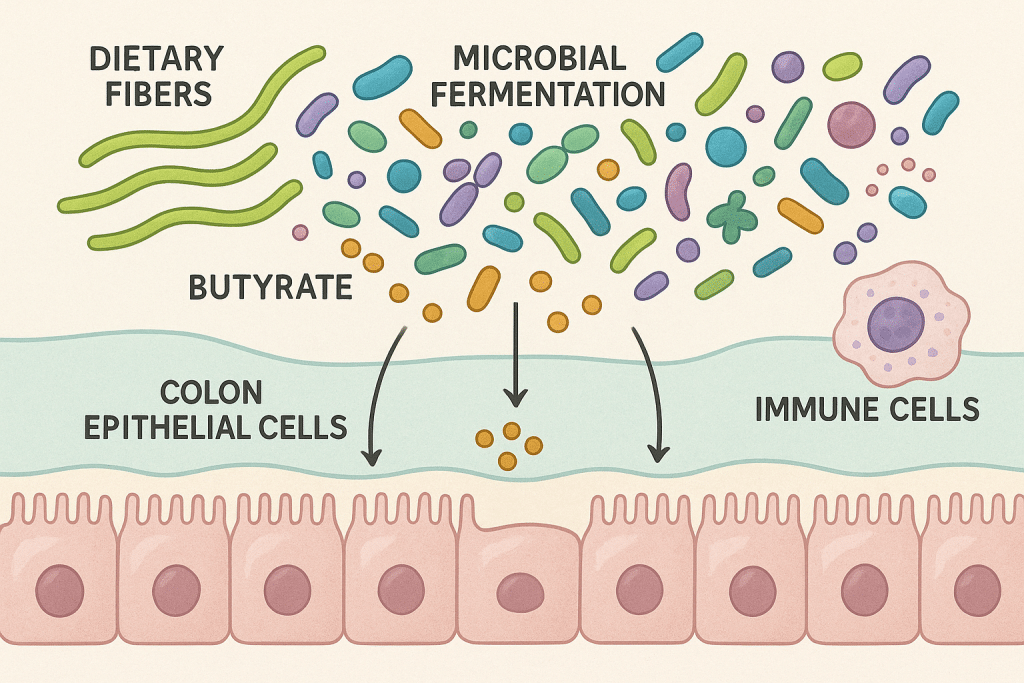
These two short-chain fatty acids feed beneficial gut bacteria to produce butyrate, which serves as an essential energy source for mucus-secreting goblet cells and colon cells.
A complete pass results in butyrate helping to create tight junctions and strengthening the gut barrier, which supports Akkermansia.
Short-chained fatty acids: butyrate and ways to boost butyrate.
When you eat the foods that contain fiber, much of it is indigestible, which means it makes its way through the small intestine to the large intestine undigested.
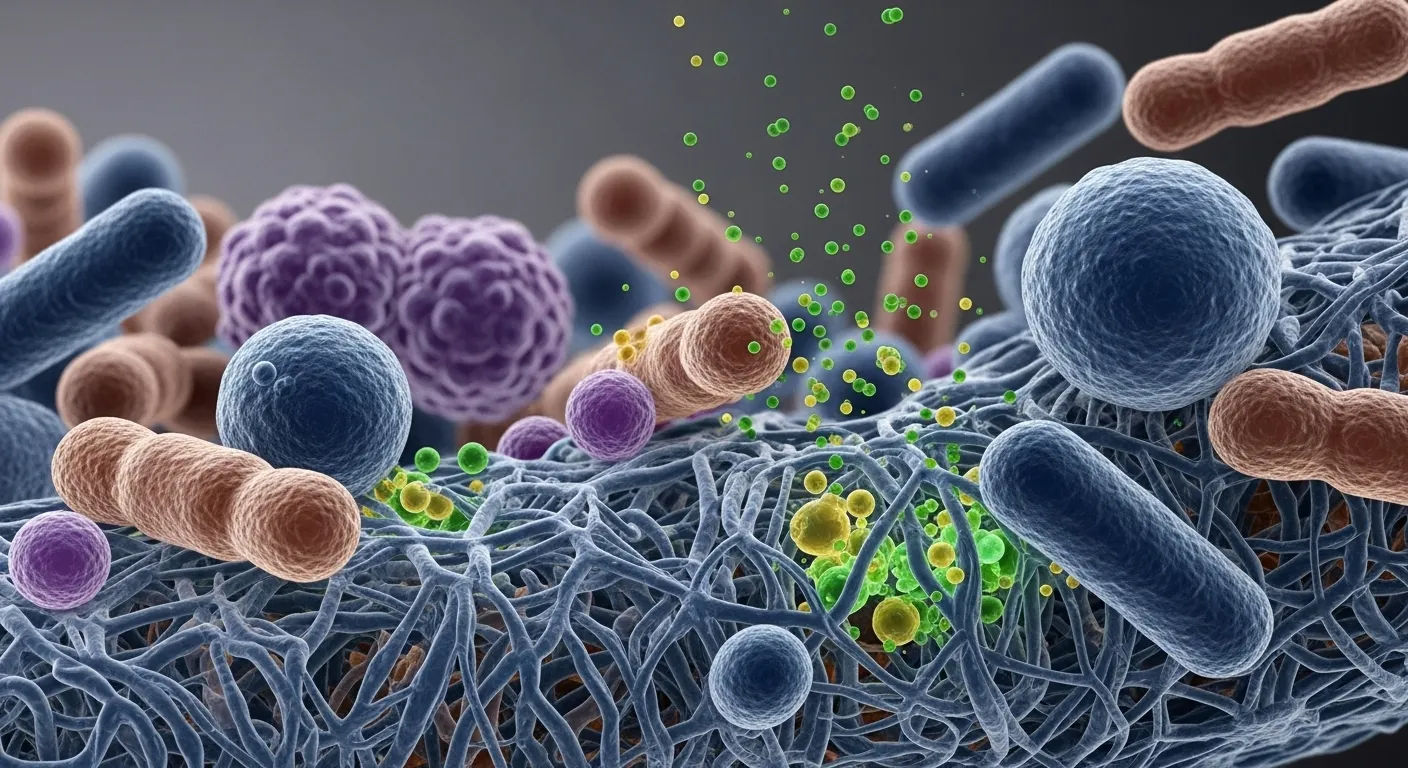
Ideally, the beneficial bacteria will eat these fibers when they reach the large intestine aka colon and release what are called short-chain fatty acids (SCFAs).
- If you don't have the bacteria that can digest fiber, fiber will just pass right thru you and you will not get any short-chain fatty acids.
The three most common short-chain fatty acids are acetate, propionate, and butyrate. We are focusing on butyrate because its capabilities go way beyond the others.
Did you know all of your cells need oxygen in order to live, except for the cells living in the lining of your colon?
Colon cells are colonocytes and about 80% of everything they require to eat is butyrate. Again, the colon cells don't need oxygen, sugar, or protein - they need butyrate!
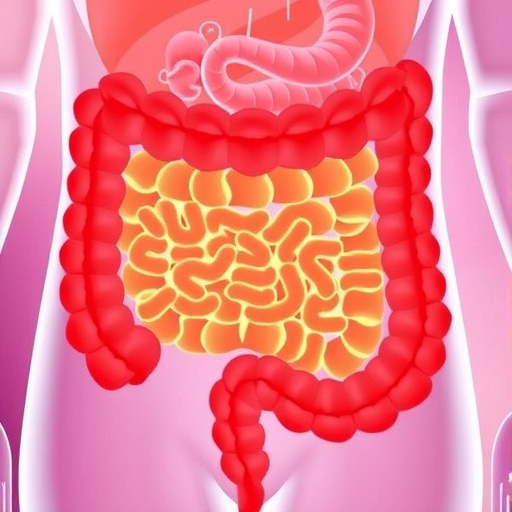
SCFAs serve as the main energy source for colon cells and mitochondria that're in your colon cells that carry out beta oxidation using butyrate as their primary fuel.
If there is a reduction of butyrate being produced, the colon cells will not be able to carry out beta oxidation and the colon will become aerobic and then harmful pathogens can move on in and colonize more easily.
When the colon cells are doing beta oxidation this consumes oxygen, which keeps your colon anaerobic or without oxygen.
The majority of the gut microbes live in the colon and most of the beneficial colonic microbes will need an anaerobic environment in order to thrive.
We can't make SCFAs, so we depend on beneficial bacteria to make them for us. Pathogens do not make butyrate and butyrate is only made from the good guys.
- Beneficial butyrate-producing bacteria: Faecalibacterium prausnitzii, Clostridium butyricum, Butyricicoccus pullicaecorum, and Roseburia.
Unfortunately, according to Dr. Steven Gundry a restorative medicine doctor, we've destroyed most of the butyrate producing bacteria with the use of antibiotics, medications, and eating animals fed antibiotics.
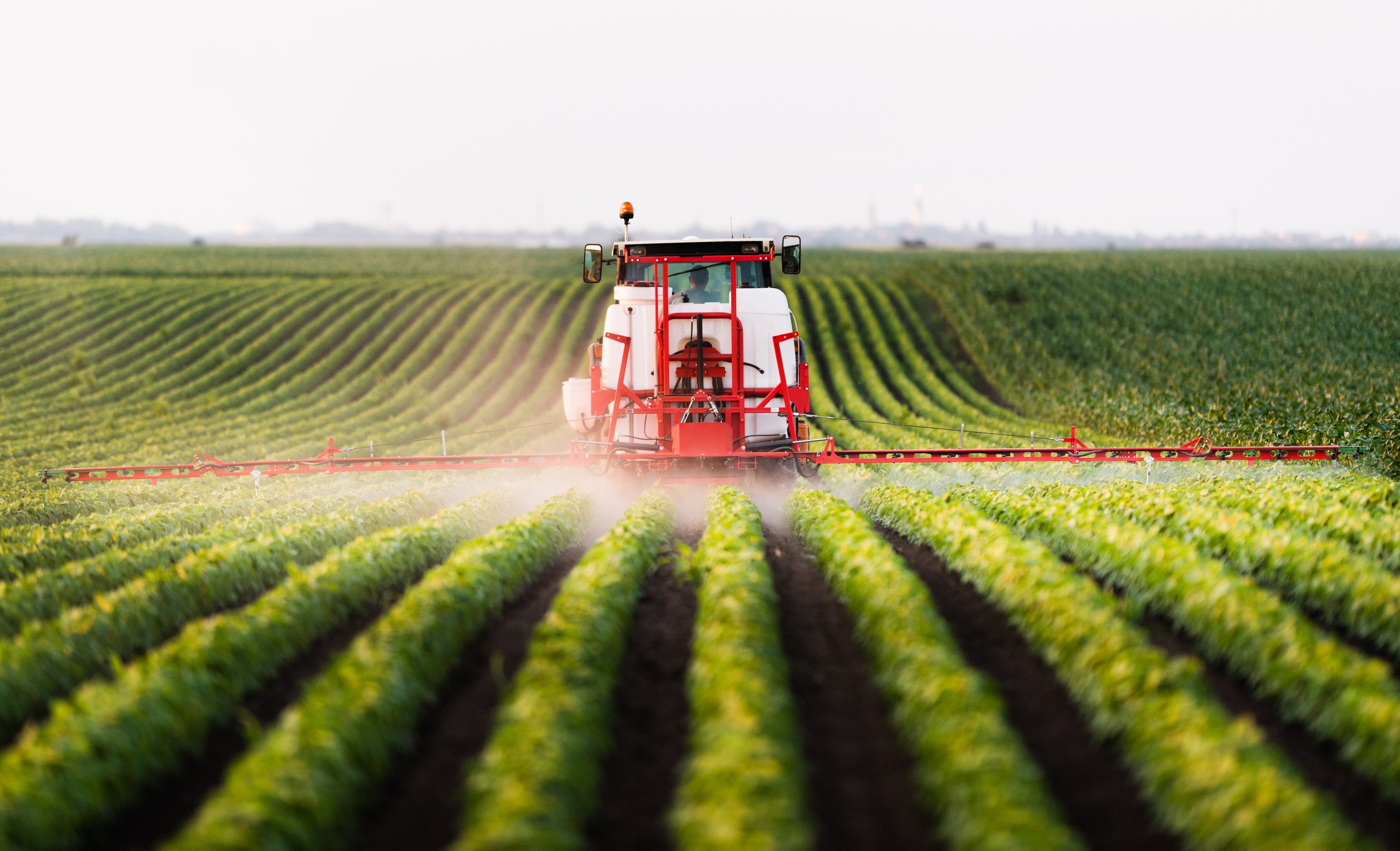
A huge issue for butyrate producing bacteria has been from glyphosate in Roundup (originally created as an antibiotic), which is being sprayed on just about everything these days. Even right before harvesting!
- This is why it's so hard to get butyrate-producing bacteria back.
Smoking and drinking lots of alcohol is another big offender, so is antacids, laxatives, birth control pills, anti-depressants, and diabetic medication.
If we don't have butyrate-producing bacteria, this increases our chances of getting colon cancer according to Dr. Gundry.
Low levels of butyrate can lead to an imbalance of gut bacteria, which can allow harmful bacteria to thrive. These bacteria may also consume mucin, which compromises the gut barrier.
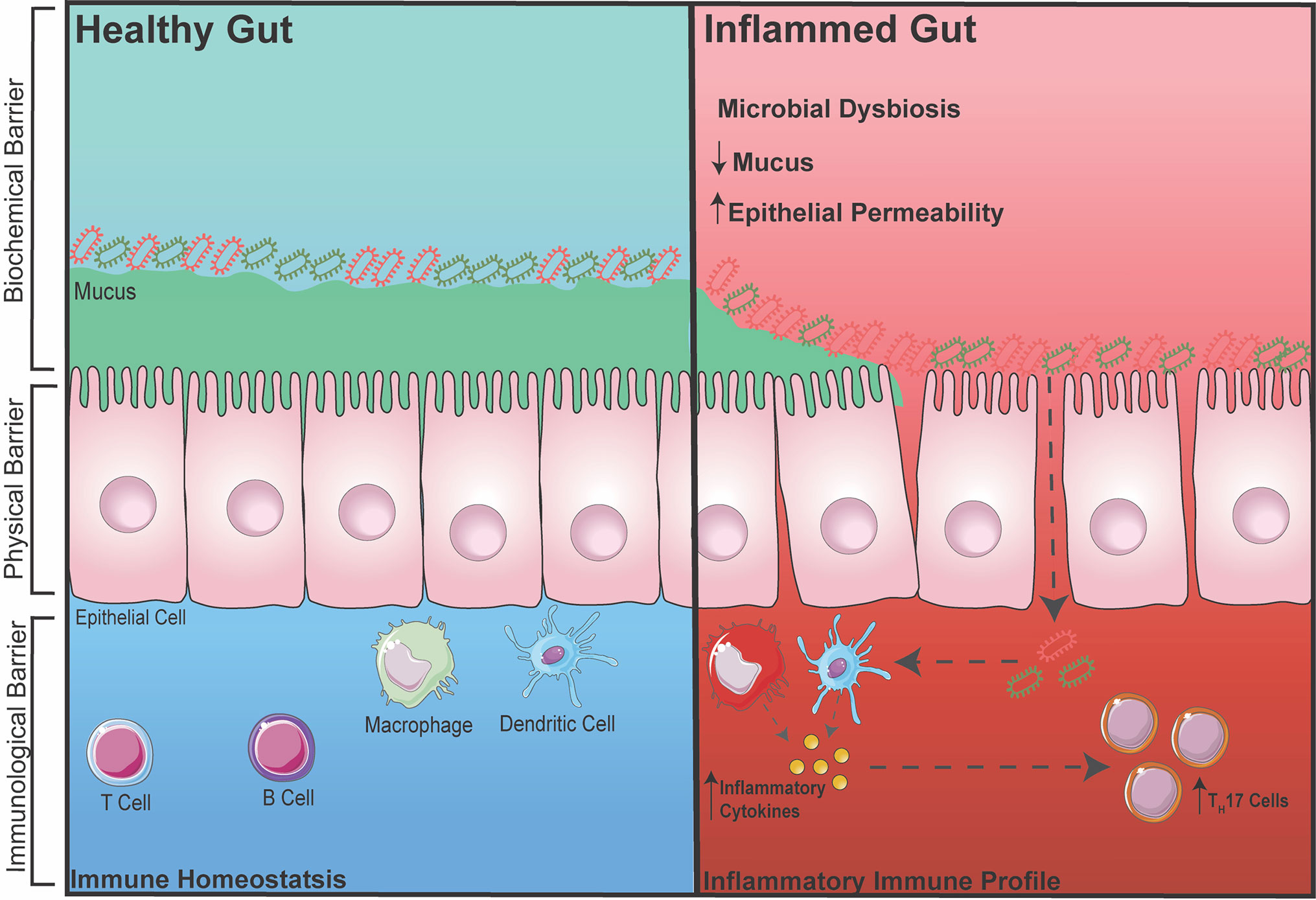
Higher butyrate levels lead to: Stronger Gut Barrier, Improved Secretion of Mucin, Better Intestinal Motility, Better Glucose Control, Easier Weight Loss, Better Water & Electrolyte Absorption, Increased production of Vitamin A, and Reduction in Inflammation.
Did you know butyrate communicates through your vagus nerve, which connects your intestines to your brain?
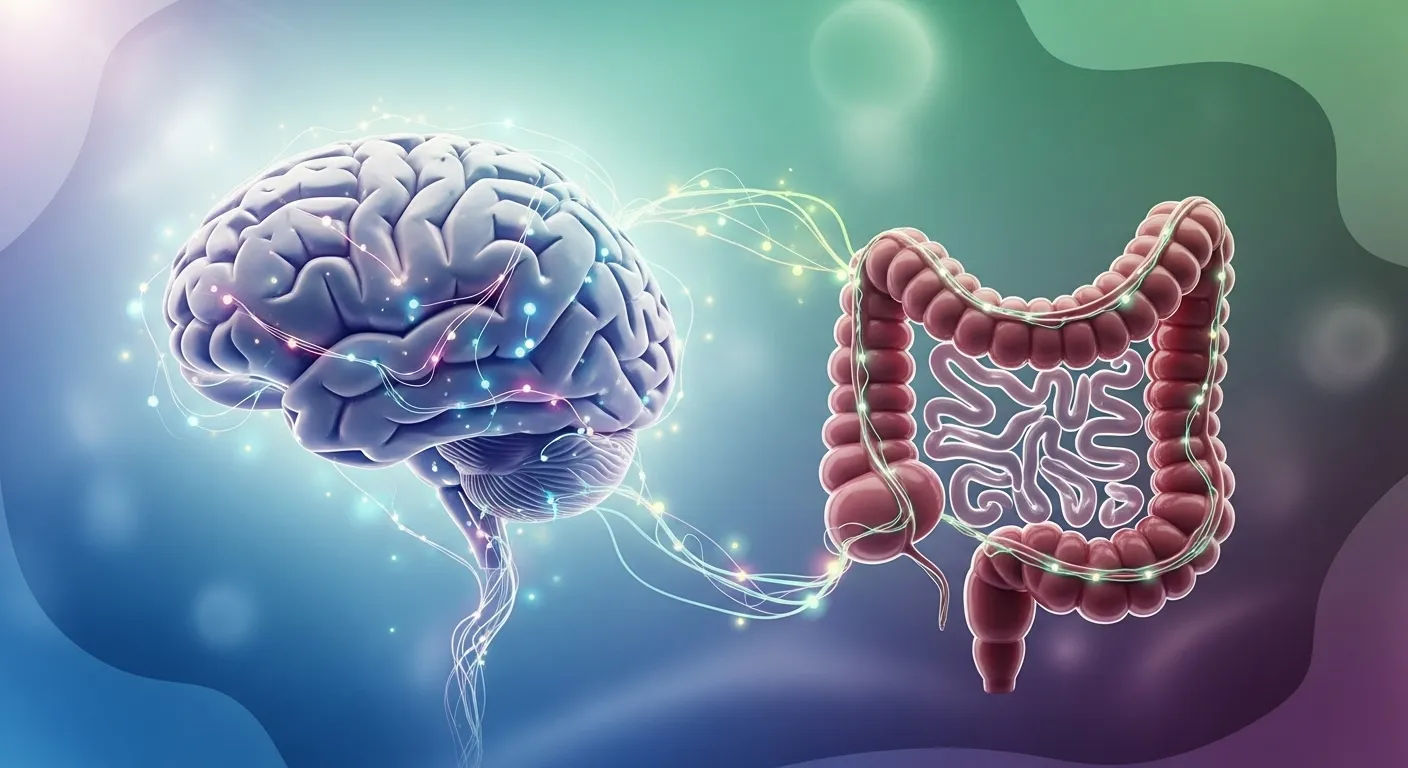
Butyrate influences the production, release, and signaling of several key neurotransmitters like GABA, dopamine, and serotonin.
Serotonin is a crucial neurotransmitter that helps to regulate your mood, sleep, digestion, and other bodily functions.
Serotonin is often referred to as a feel good chemical because it significantly influences emotional well-being.

Did you know that 90 to 95% of serotonin gets produced in the gut, which helps to produce melatonin?
Melatonin is a powerful hormone and there is about 400x more melatonin in your gut than in your brain. Melatonin helps change the microbiome and enhances beneficial microbes.
Butyrate acts as a messenger in the gut microbiome, which sends signals that not only influence gut bacteria, but also the other systems in your body.
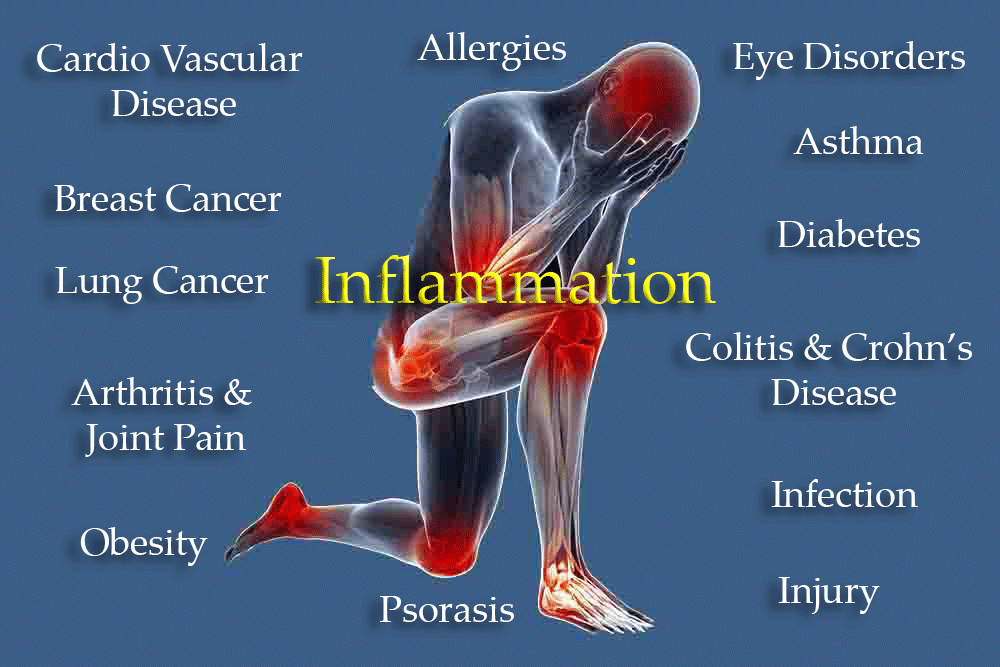
Sadly, if you don't have butyrate-producing bacteria, this may create a body that is in constant alert mode and the inflammatory process may kick up.
And digesting foods that contain fiber may become a problem for you.
Be sure to feed your colon cells Premium fuel!
It is important to feed your colon cells butyrate because it's the premium fuel for your colon cells. If you don't it will get switched to a weaker fuel source like glucose or glutamine, which will weaken your gut barrier.
A popular fuel source these days is beta-hydroxybutyrate a ketone that is produced by your body during ketosis, which happens when fat is converted into energy.
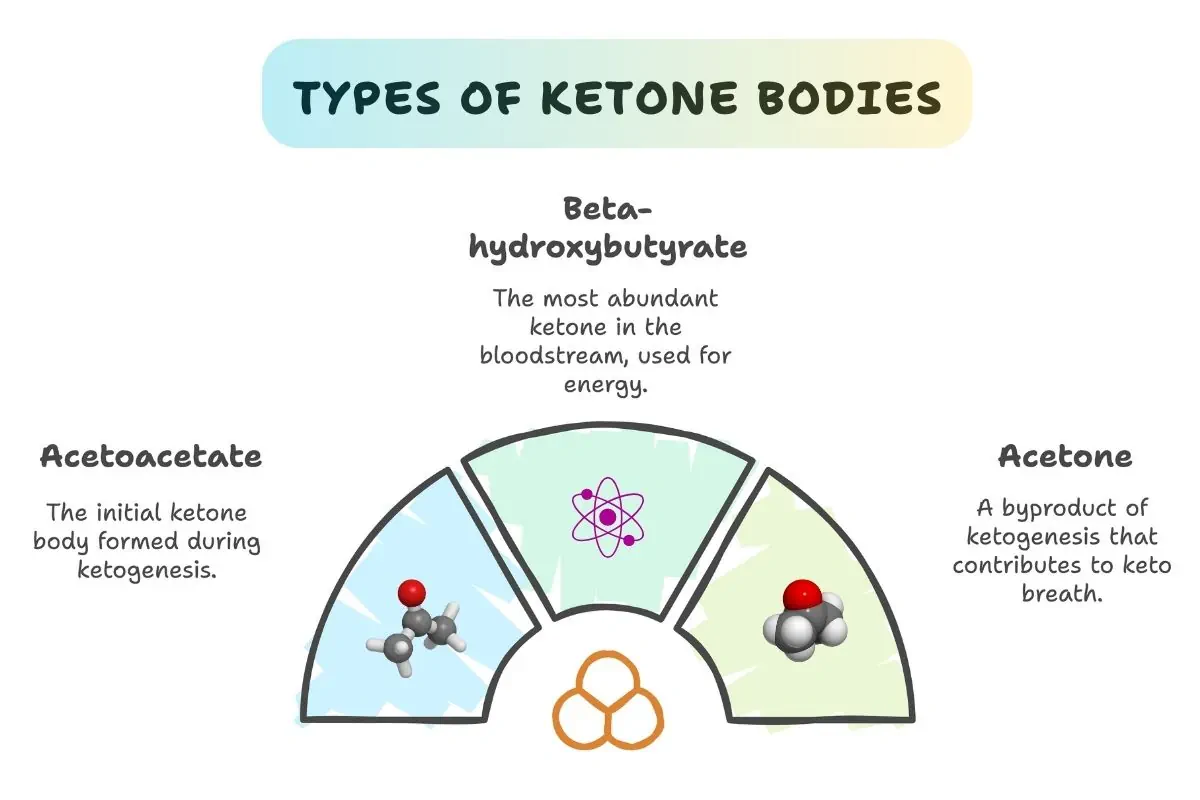
This ketone body can be produced while your on a ketogenic diet, fasting, or during prolonged exercise. This ketone may be of benefit to the gut and will provide energy for your colon cells.
Structurally, this ketone body and butyrate are remarkably similar. There are also many documented benefits for this alternative fuel, but it won't be as powerful or have the same affect on inflammation as butyrate.
Interestingly, the ketogenic diet may actually increase Akkermansia in the gut, but may inhibit butyrate-producing bacteria.
What about people that are healthy, and eat little to no fiber?
Mary Ruddick who spends time with indigenous people has said that eating a lot of fiber is not a thing for many of the indigenous tribes especially ones that are more carnivore based.
She also said, you don't really need a wide diversity of microbes, but you need the right ones.
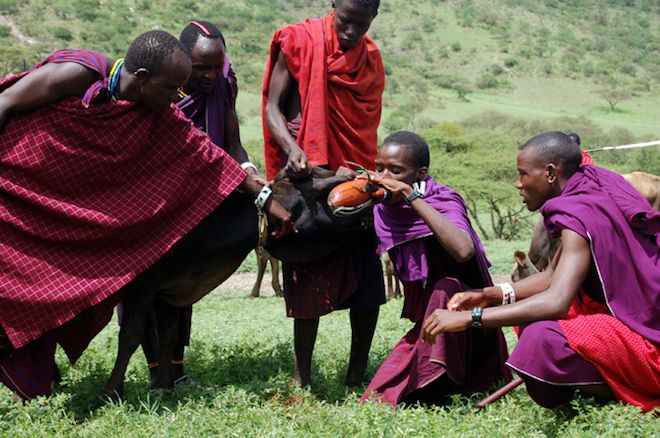
One of the most famous indigenous tribes is the Masai who's diet consists mainly of milk, meat, and blood from their animals.
The Masai have superb physical development and are considered the most dominating of the African tribes. Raw dairy makes up the majority of their diet.
What about the people that go on a vegan diet?
According to the founder of the GAPS diet, plants have the wrong proteins and fats for the human body.
She said plants are great cleansers, and give you some nutrients. However, animal foods with their fat and protein provide the building material to maintain our physical structure.
She also said that vegans will have to cannibalize their own bodies to get the protein found in animal foods.
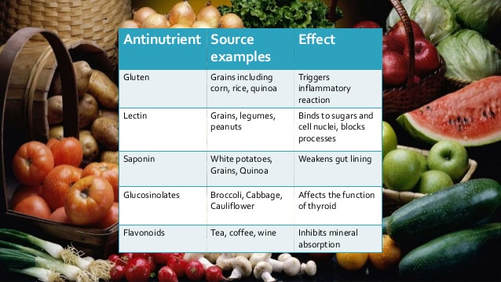
Also, many plants come with anti-nutrients like lectins and gluten that can cause digestive distress - especially if not properly prepared.
And based on the health of the Masai, it appears that there are other foods besides the ones with fiber that can provide butyrate for the colon cells.
It also appears that butyrate can activate GLP-1 secretion, which helps to regulate the appetite.
Foods that contain butyrate and ways to boost more butyrate.
Fortunately, there are foods that actually contain the short-chain fatty acid butyrate, so it can be supplied by your diet.
In fact, consuming a variety of dairy foods can ensure you get an adequate amount of this very needed short-chain fatty acid.
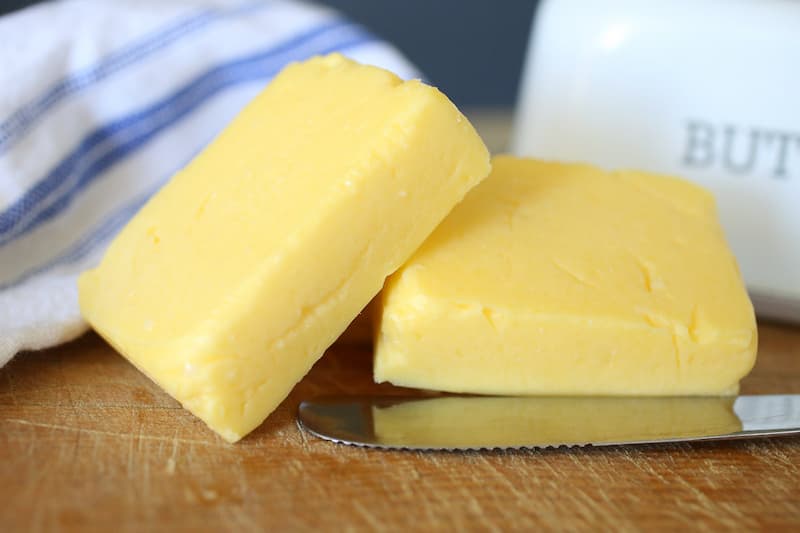
So far, butter is the best source of dietary butyrate and is approximately 3% butyrate by weight. One stick of butter or 1/2 cup serving, will give you a little over 3 grams of butyrate.
Please keep in mind that grass fed butter will likely contain higher amounts of butyrate and ghee that is made from this butter will also be a great source of butyrate.
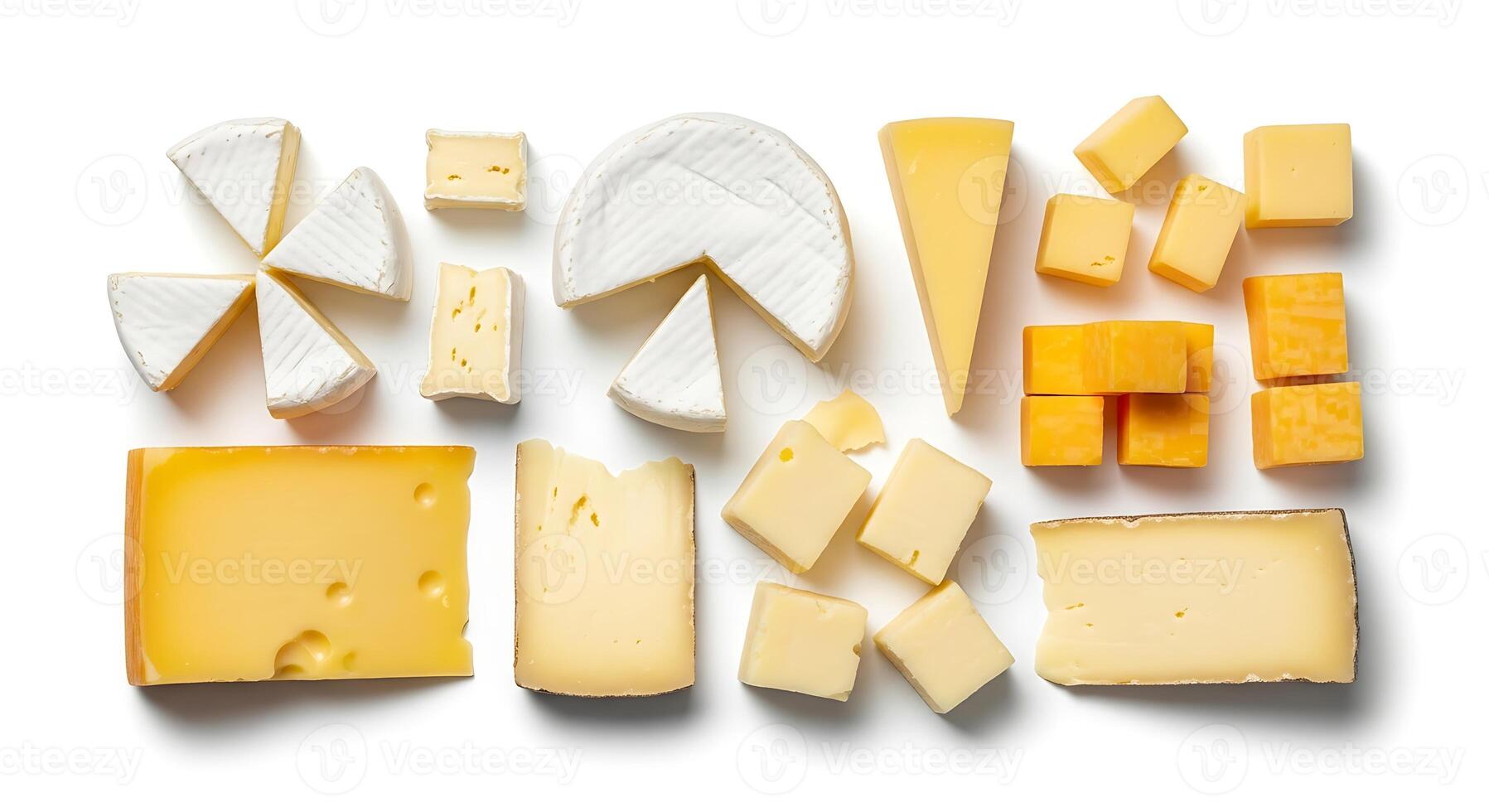
Cheese can be another good source of dietary butyrate and the amount in cheese varies depending on the type and aging process.
A good amount of butyrate is found in Gouda, Swiss, Parmesan, Gruyere, hard goat cheese, and in cheddar cheese. Lower amounts of butyrate will be found in the soft cheeses.
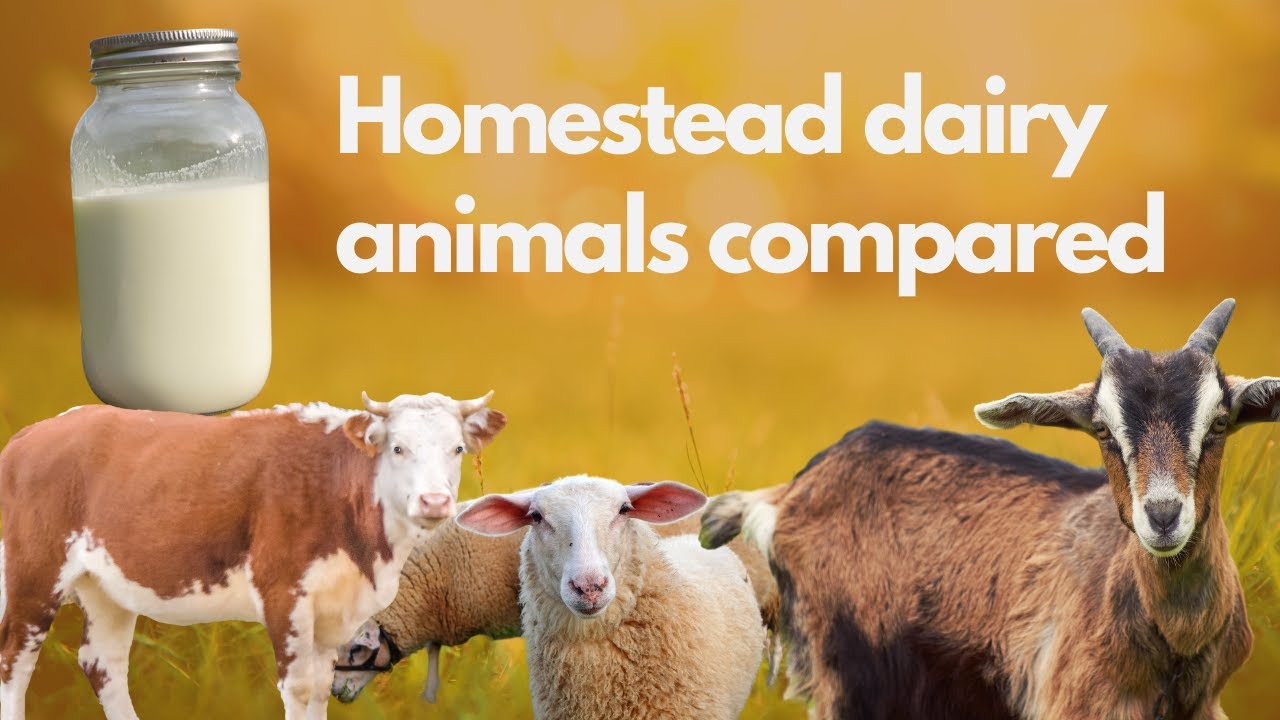
You'll get a moderate amount of butyrate from drinking goat milk, sheep milk, and cow's milk, which can be increased by fermentation.
Certain strains of beneficial bacteria in fermented dairy foods have been shown to increase butyrate levels.
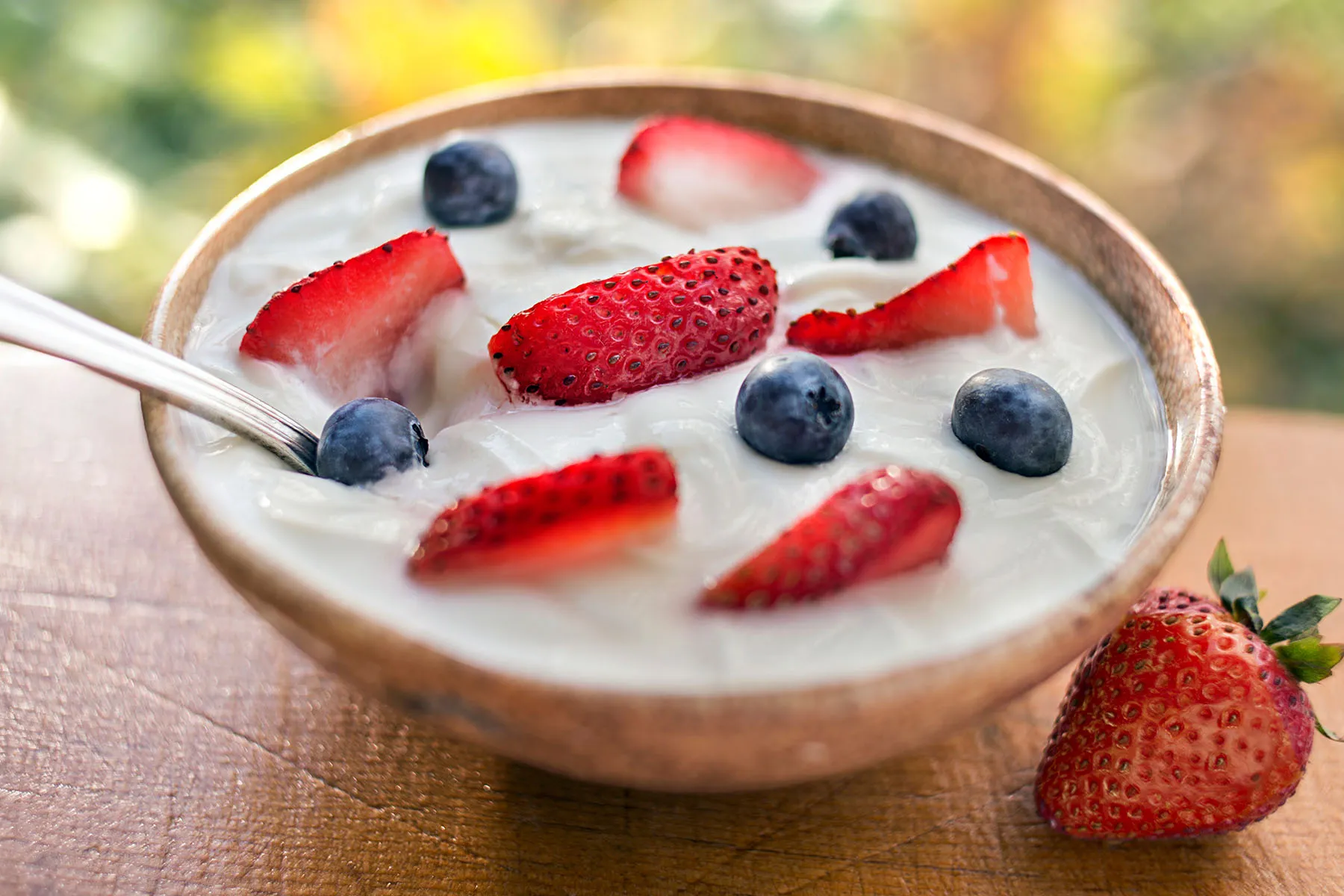
You can ferment your dairy milk and make yogurt, kefir, or Amasai a thick tangy drink of the Masai that should increase the amount of butyrate.
- Lactobacillus and other lactic acid bacteria metabolize carbohydrates to produce lactic acid that butyrate-producing bacteria can use to make more butyrate.
Fermented foods like kimchee and sauerkraut are also rich in good bacteria like Lactobacillus and Bifidobacteria, which support butyrate production.
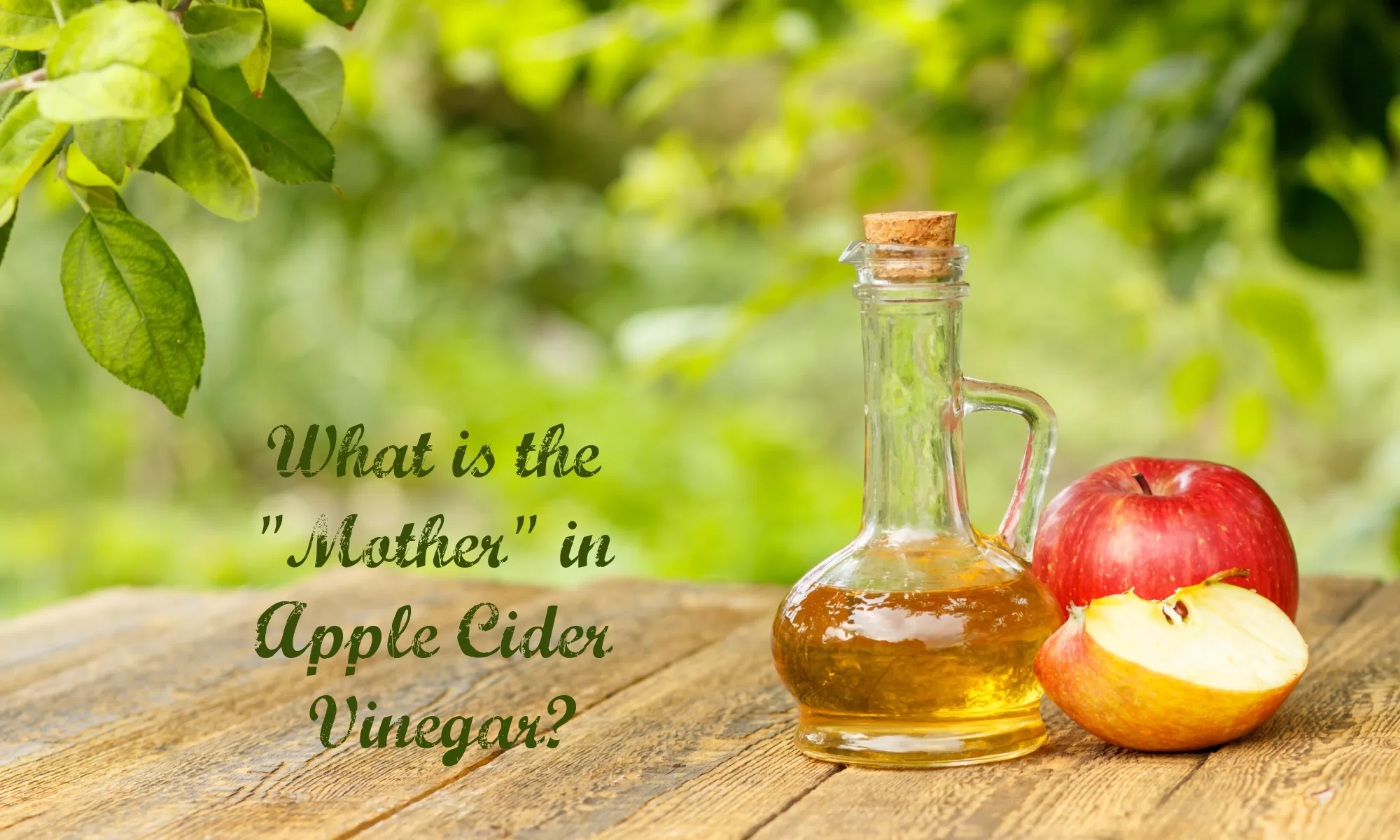
Apple cider vinegar with the "mother" can enhance butyrate production in your colon. The acetic acid found in vinegar serves as a substrate for the beneficial gut microbes that produce butyrate.
Balsamic vinegar is another ferment rich in acetic acid that helps boost the production of butyrate.

Fermented foods help bloom butyrate-producing bacteria. As an added bonus butyrate acidifies the skin, which is suppose to be on the acidic side.
Healthy looking skin is acidic and signs of having alkaline skin are acne, dryness, and redness.
According to Dr. Gundry, butyrate-producing bacteria can't use insoluble fiber found in whole wheat flour or other whole grains. He said they prefer soluble fiber foods.
What is the microbiome's favorite soluble fibers for butyrate?
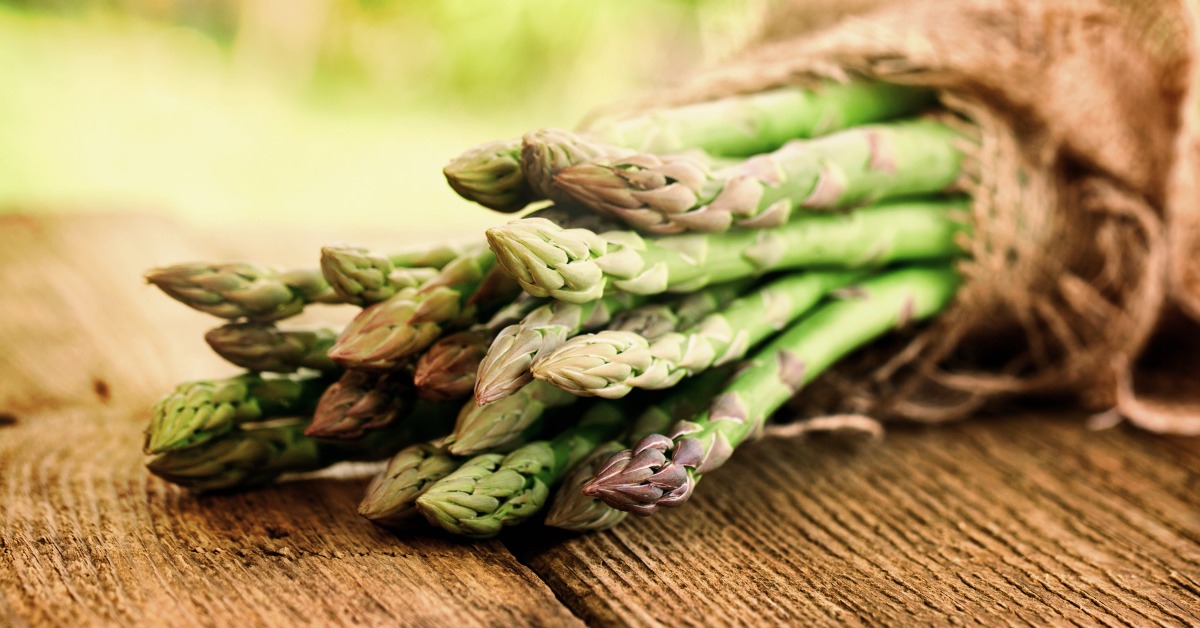
Butyrate-producing bacteria prefer soluble fibers found in vegetables like asparagus, radicchio, endive, chickory root, artichoke hearts, broccoli, okra and root vegetables like yams or sweet potatoes.
What is the microbiome's favorite resistant starches for butyrate?
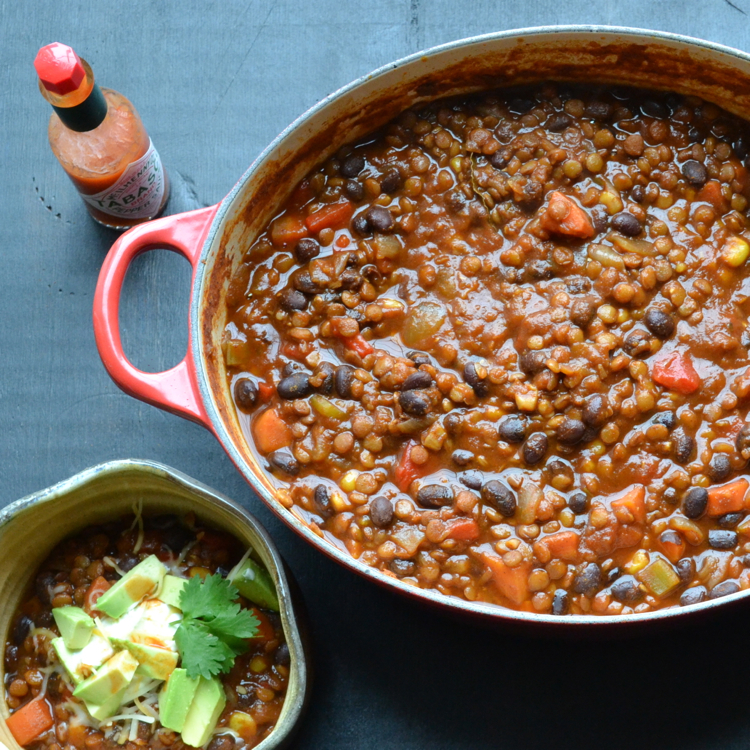
Resistant starches from kidney beans, black beans, navy beans, and lentils can make a resistant starch chili to help increase butyrate.
Chickpeas or hummus is another good choice.
Other choices like green bananas, green plantain, green peas, and cooked & cooled rice or potatoes help butyrate-producing bacteria.
What is the microbiome's favorite foods with anthocyanins?
Anthocyanins are an antioxidant found in pink, red, purple, black, and blue plant foods which support the growth of butyrate-producing bacteria.
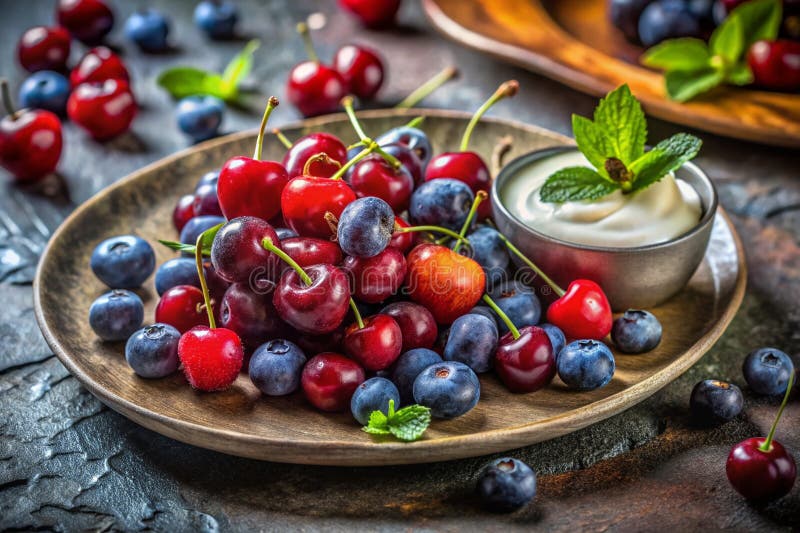
Blueberries, raspberries, cherries, purple grapes, dragon fruit, red onions, purple sweet potatoes, pomegranate, purple asparagus, plums, black rice, and purple cabbage support the growth of butyrate-producing bacteria.
What is the microbiome's favorite prebiotics for butyrate?
Raw honey acts as a prebiotic which feeds beneficial gut bacteria that help produce butyrate. Honey contains oligosaccharides that feed the beneficial bacteria.
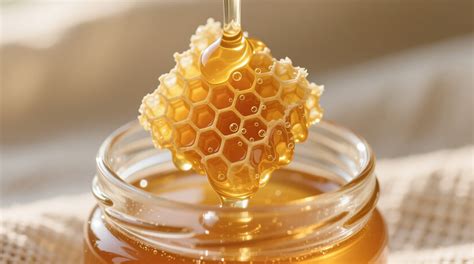
Studies show that consuming honey increases the level of Bifidobacteria and Lactobacillus. When these microbes ferment the oligosaccharides in honey, they help to produce SCFAs like butyrate.
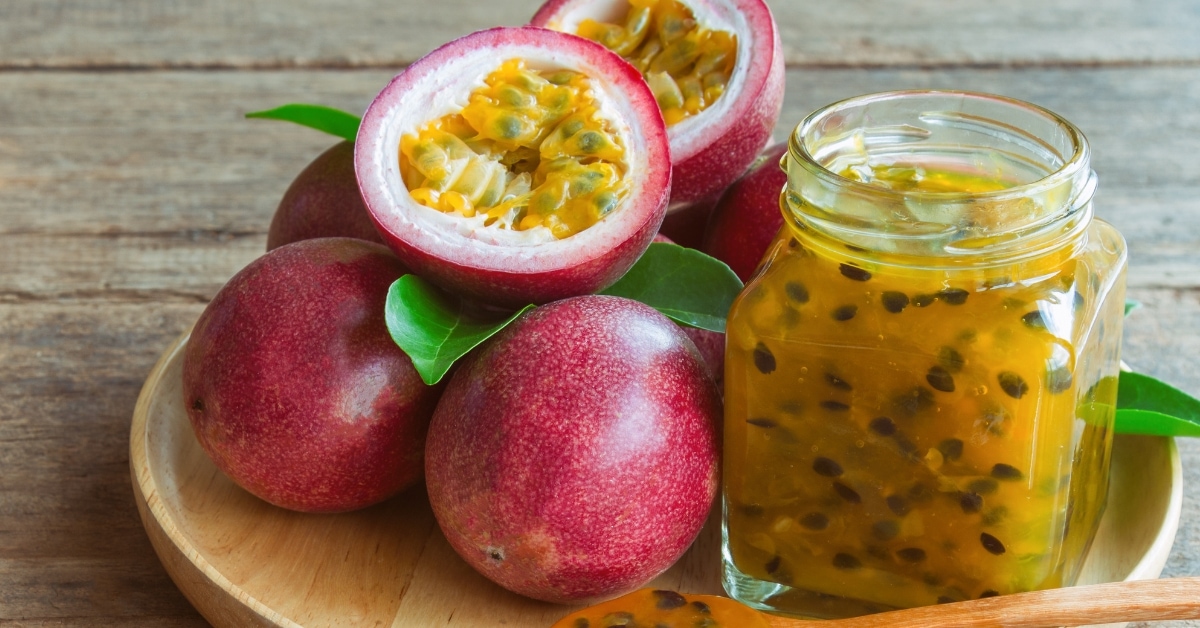
Other effective prebiotics that increase butyrate are pectin from passion fruit, papaya, apples, blackberries, pears, guava, and figs.
Inulin from onions, garlic, jicama, leeks, asparagus, and artichokes are also great prebiotics for boosting butyrate.
What is the microbiome's favorite polyunsaturated fats for butyrate?
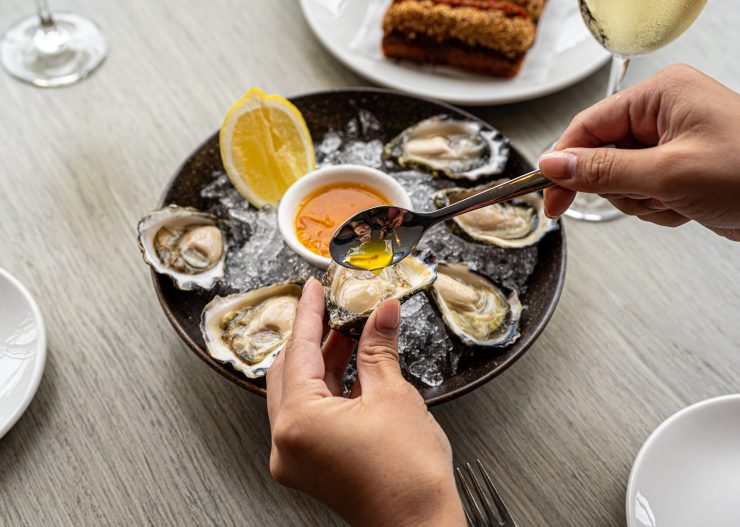
Foods high in omega 3 fatty acids like fatty wild caught fish and shellfish promote the growth of butyrate-producing bacteria.
Oysters and mussels are a good source of omega 3's. Fatty fish high in omega 3's are trout, salmon, mackerel, sardines, and herring.
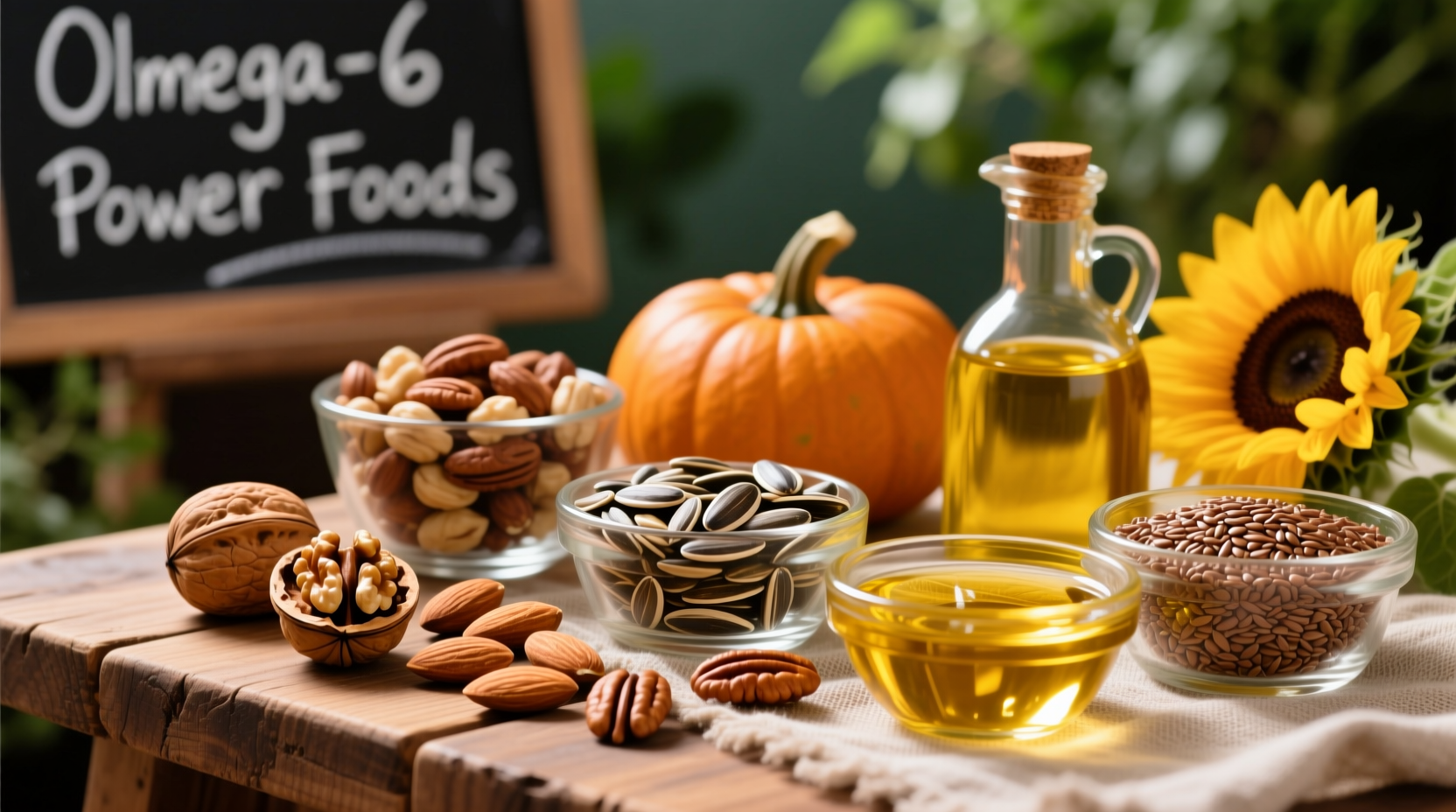
However, diets high in omega 6 fatty acids have been shown to shift the microbial balance in ways that undermine butyrate production.
Small amounts of whole foods high in omega 6 is actually healthy, but too much especially from processed foods high in omega 6 oils will lead to inflammation.
What is the microbiome's least favorite diet for producing butyrate?
A high protein and high fat diet low in fermentable fibers or sugars will most likely be the least favorite diet for butyrate-producing bacteria.
Exercise and playing in dirt boost production of butyrate!
Exercise can increase butyrate production by promoting the growth of beneficial bacteria like Faecalibacterium prausnitzii another keystone strain, which is a "major" producer of butyrate.
That's because exercise creates a favorable environment for bacteria that produce short-chain fatty acids to thrive in.

It appears regular excercise enhances diversity of gut bacteria and will shift the gut microbiome composition, which supports the production of butyrate.
Certain strains of Lactobacillus, like Lactobacillus acidophilus, have also shown to improve the uptake of butyrate in colon cells, which they do by producing lactic acid.

Coincidently, intense exercise produces lactic acid when your body breaks down glucose for energy, especially during a physical activity like cycling.
Lactic acid serves as a temporary fuel source for your muscles and can be used as a substrate for soil microbes like Clostridium butyricum that plays a significant role in the production of butyrate.
Did you know playing in dirt exposes you to a variety of soil microbes?

Playing in the dirt, which I did regularly as a child, will introduce butyrate-producing bacteria like Clostridium butyricum into the body as long as you are making contact with healthy dirt.
Indigenous people always had contact with the dirt, which is probably how they acquired these microbes. This is also how gardening can give you soil microbes.

Have you ever wondered why people pay to have a mud bath? Mud baths actually offer several health benefits that include detoxification, reduction of pain, improved skin conditions, and stress relief.

You can also play in the mud for free like children would often do with the healthy dirt that's in your backyard. Please make sure dirt is free of toxic chemicals like herbicides and industrial fertilizers.
When you learn how to garden, healthy dirt is called soil, which is a living ecosystem that supports the soil microbes that's similar to our gut's ecosystem.
Just like with Akkermansia, you can take a stool test, which may show you if you have any butyrate-producing bacteria in your gut.
Eating high meat: beneficial bacteria and fermenting meat.
Eating high meat will be like a show right out of Ripley's Believe It Or Not or Andrew Zimmern's Bizarre Foods. It will feature indigenous people and a nutritionist that knew about the value of eating high meat.

The Eskimo call fermented meat "high" meat. As a major benefit, eating an ounce of high meat usually relieves depression in 10 - 20 minutes and may last for weeks according to Aajonus Vonderplanitz.
Aajonus was the author of the Recipe for Living Without Disease, and he ate high meat to help heal himself from a life of sickness.
High meat is a unique type of fermented meat that is often consumed raw and it's actually a traditional food preparation method that has been used by many indigenous people from around the world.

Eskimo tribes like the Inuit bury their meat in hides for up to six weeks. The bacteria-infested meat is then ingested to elevate the mood, eliminate aches and pains, and increase endurance.
High meat has many types of beneficial bacteria.
High meat will contain various types of beneficial bacteria, particularly those from the Lactobacillus species.
- Fermentation process of producing high meat is primarily started by the lactic acid bacteria.
Lactic acid bacteria will convert sugars present in meat into lactic acid, which creates an acidic environment that favors growth of certain bacteria.
Butyrate-producing bacteria can also be found in fermented meats, like Clostridium butyricum and Clostridium kluyveri.
These bacteria will play a role in the fermentation process contributing to production of butyric acid or butyrate.

These beneficial microbes and others like beneficial E. coli will contribute positively to what is the microbiome in your gut. By the way, Eskimos are known to be the jolliest of the indigenous people.
Aajonus Vonderplanitz stated that a cause of chronic depression is having too low of bacterial levels throughout the body. And when high levels of bacteria are present, proper detoxification will occur.
Bacteria are basically the janitors who will consume organic cellular waste that keeps your body clean.

When the body is too low in bacterial levels, the body becomes overloaded with organic waste and toxins. This causes cellular depression that will be experienced throughout your body and mind, and then it gets expressed emotionally.
Alarmingly, Aajonus had compared salt and its effect on the body to that of an antibiotic. He said, "salt can get rid of symptoms galore, it does so just like an antibiotic because it is ruthless and destroys intestinal bacteria."
He said the low-bacterial cause of depression can be alleviated by eating stinky bacterially decomposing meat, as several cultures do, such as the Eskimo.
Another good choice can be eating raw foods, which increases bacteria and lowers the production of wastes in your body.
How to ferment raw meat to make high meat.
Eating high meat is one of those things you never thought you would want until you realize the health benefits, which is why I'm making an effort to make high meat these days.
The process of making high meat involves allowing raw meat to undergo a controlled decay. This leads to development of specific flavors and textures that may be off-putting at first.
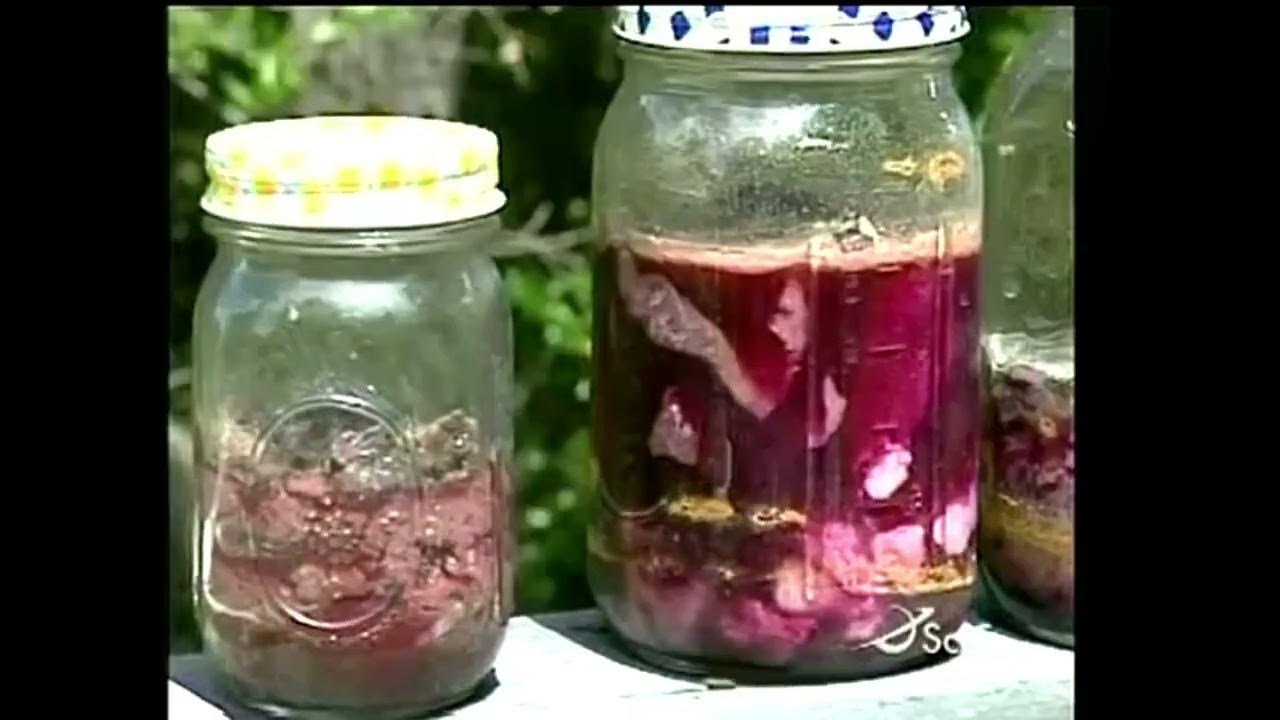
I am sure there are many ways to make high meat, but I learned how from reading, the Recipe for Living Without Disease, by Aajonus Vonderplanitz.
This is how I make high meat.........
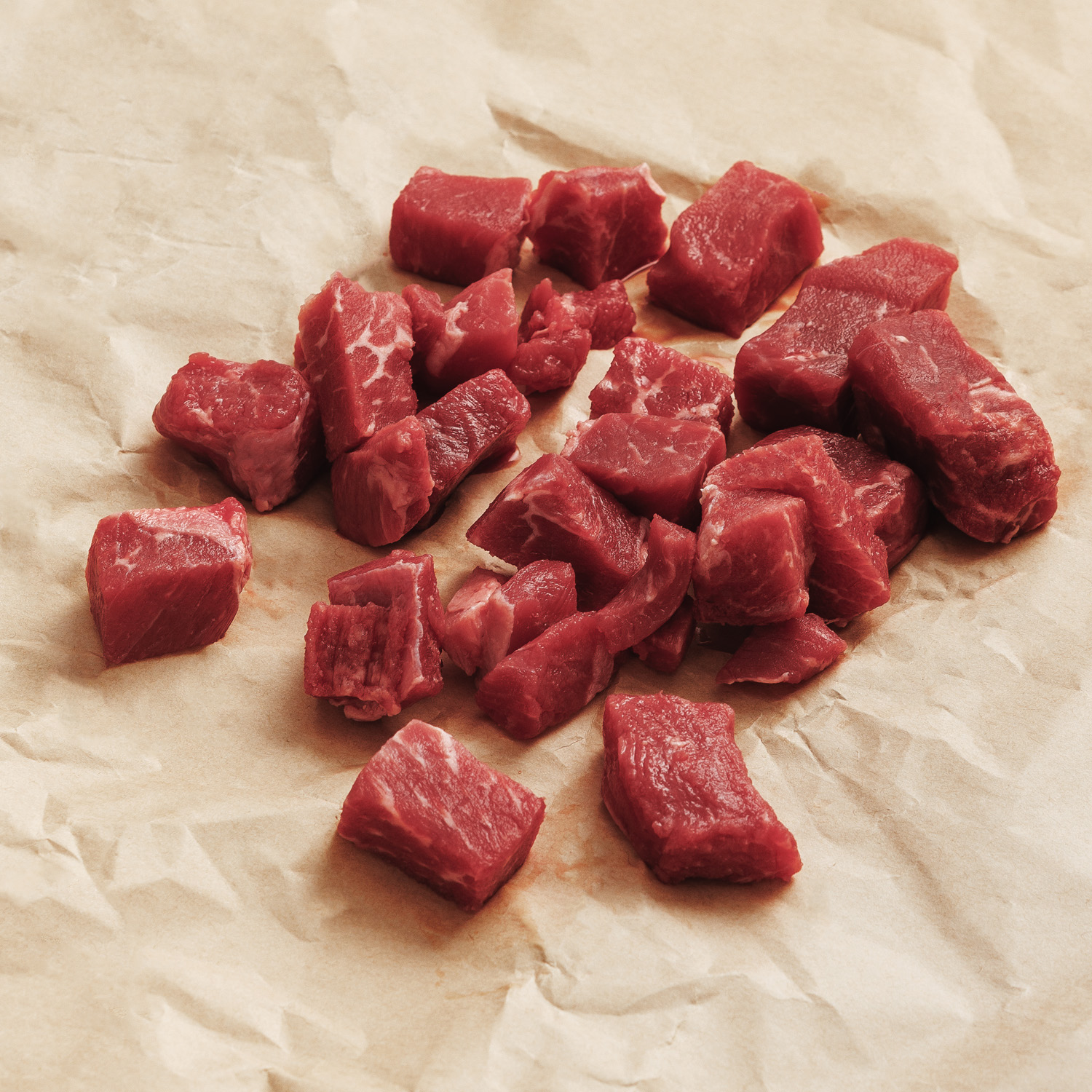
Ingredients: Grass Fed or Good Quality Red Meat (about a volume-pint worth of raw meat)
Instructions for making high meat:
1. Cut meat into bite-sized pieces and place into a 32 oz. quart-sized glass jar.
Very important: You will want an equal amount of air space to meat space in the quart-sized glass jar.
2. Place the "Ball" jar lid on the jar tightly and place into your refrigerator.
3. Every 3 to 4 days take the jar outdoors and remove the lid. Wave jar in the air to exchange the air inside of the jar. Put the lid back on and tighten - then put back into the refrigerator.
4. After 4 weeks, I will start to eat one bite-sized piece once or twice a week.
Why you need to replace the air every few days.
According to Aajonus, there are 17 stages of bacterial developments and airing the raw meat is required to progress bacteria through these stages.
If you don't replace the air in the jar every 3 to 4 days, the bacteria stages will not progress.
Don't worry if you have to go on a trip. When you come back home, you can continue with airing of the meat so that it will resume progress through all of the bacterial stages.
Some suggestions when consuming high meat.
Take the high meat outside or it will stink up your house! When my high meat is ready to eat, I just air it out and take a piece from the jar at the same time, which makes it easier.
You can pinch your nostrils while your chewing to make it more tolerable. I've found the texture isn't that bad and high meat has an umami flavor to me.
The germ theory: Antoine Bechamp versus Louis Pasteur.
Dr. Natasha Campbell-McBride said that every chronic disease is caused by nutritional deficiencies and toxicity.
This of course goes against the germ theory that states germs or microbes cause disease, which was developed by Louis Pasteur and supported by the pharmaceutical industry.
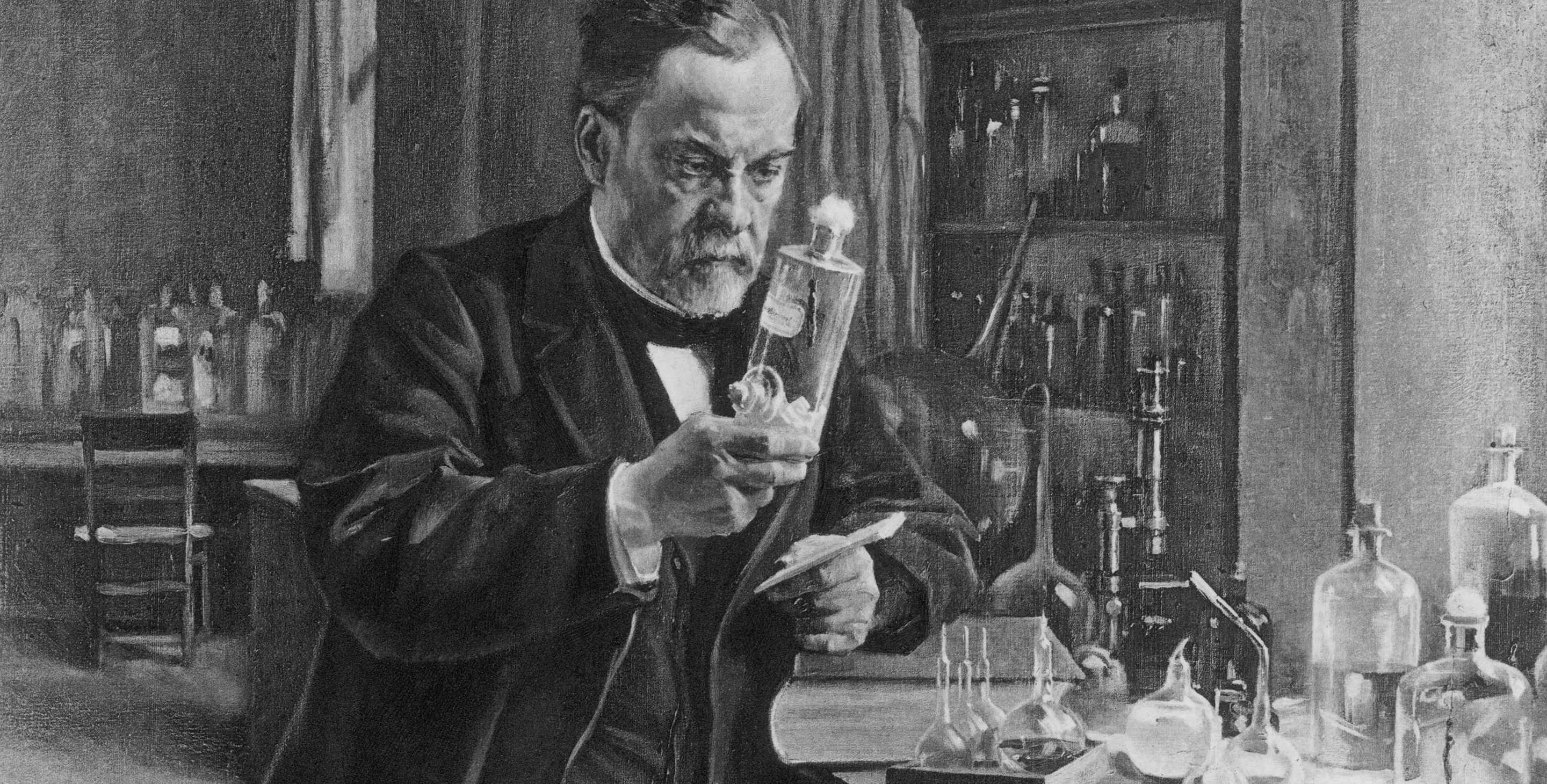
Germ theory supports the idea of always being afraid of viruses, bacteria, and God forbid you get a parasite. And you need to sterilize everything and cook everything to death.
Also, be sure to take antibiotics and anything else "we" decide is best for the defense against these "theorized to be" contagious microbes.
Sadly, if the work of Antoine Bechamp had been supported instead of the germ theory, we would be living in a much healthier and sane world.

Antoine Bechamp was a very intelligent scientist that was a rival of Pasteur in the 19th century. He spoke about the complete opposite idea and was one of the first people that discovered pleomorphism.
Pleomorphism showed that microbes can't be killed by anything. They'll just change and evolve, which can be for the good or for the bad with what is the microbiome.
Microbes are able to change because there is a free market of genetics in the microbial world, which communicates with our human genes.
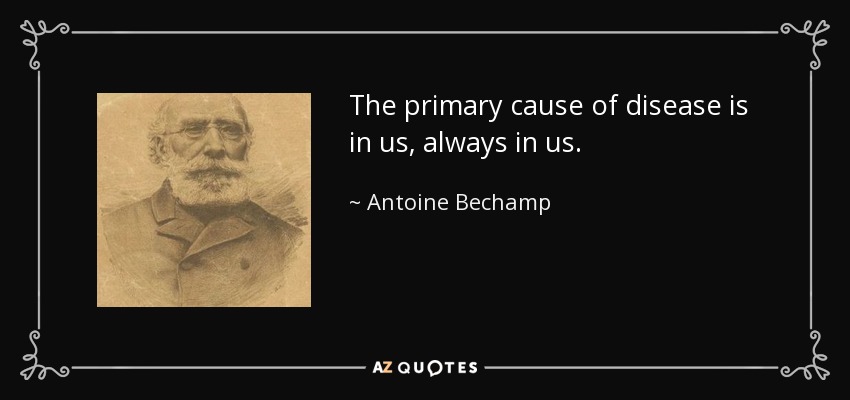
Basically, Antoine Bechamp supported the idea that microbes do not cause any diseases, but what causes disease is the terrain or the environment you create for the microbes.
- According to the founder of the GAPS diet, all diseases begin in the gut and all of it is GAPS, which stands for Gut Psychology Syndrome.
Just know if you pollute your body and also have nutritional deficiencies, your terrain will be a mess. Your microbes will then evolve and change to being more "pathogenic".
Your body will actually employ these "pathogenic" microbes to become the cleansers and healers. Parasites in particular like to clean up the heavy metals in what is the microbiome.
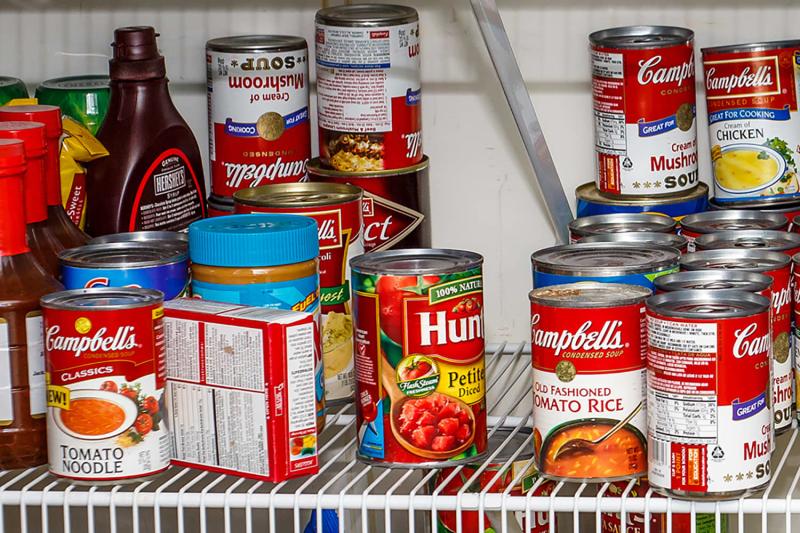
If they've become a problem, stop polluting your body! You can get heavy metals from canned goods, medications, pesticides, fertilizers, salt, dietary supplements, protein powders, chocolate, and cosmetics.
Basically, get rid of the highly processed foods, and switch to the real foods!
If you get rid of the toxicity and feed your body nutrients it really needs, you can change your microbial community almost instantly, according to Dr. Natasha Campbell-McBride.
- Some microbes will start to disappear and others will then proliferate in what is the microbiome, which can produce trillions of babies.
She said, if you provide the right foods for the right microbial communities in your body, your body will re-balance itself and become harmonious again.
Later, Pasteur admitted on his death bed that Bechamp was correct. He's reported to have said "the microbe is nothing, the terrain is everything."
The gut microbiome is like a garden and you get to decide what grows there.
I hope you know a little bit more about what is the microbiome. It is a new field in America that's sort of just emerging like seeds you planted in a garden.
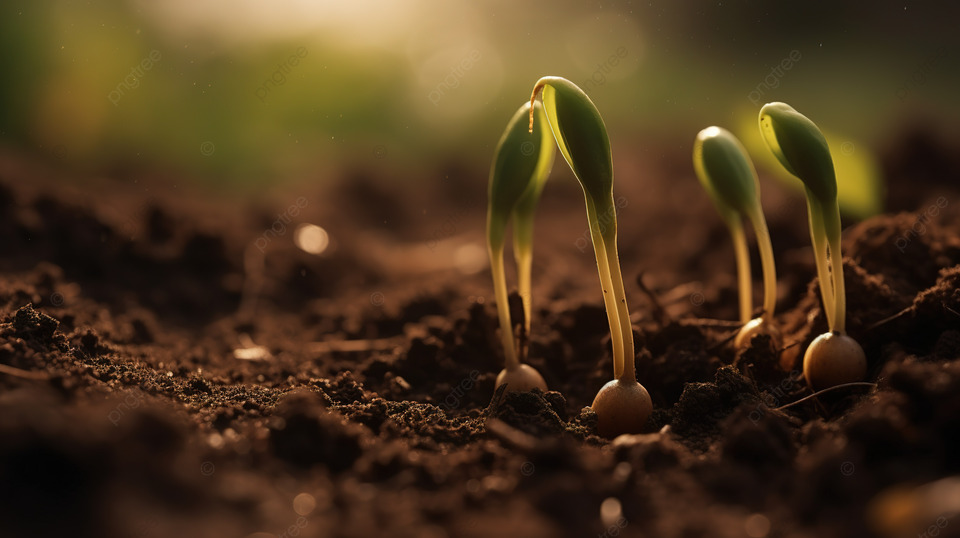
What you get out of "the garden" depends on the quality of nutrients you decide to put into your topsoil. This is an analogy for the gut microbiome, which needs proper nutrition to grow beneficial microbes.
A very effective way to support beneficial microbes is with regeneratively grown or raised nutrient dense foods that don't come with antibiotics or toxins.
Always remember, if you provide the right type of terrain or environment for the microbes, your microbial community changes for the better.
"Bacteria, like bears and flies, go in and out of hibernation. When the conditions are right they wake from hibernation"
Aajonus Vonderplanitz
- Home
- Nutrient Dense Foods
- What Is The Microbiome?
Resources
1. The Real Reason Why You Can't Lose Weight (How to FIX IT) Mary Ruddick, https://www.youtube.com/watch?v=YjRRdt7sZ0E
2. Let Food Be Thy Medicine EAT THESE FOODS to Heal Your Microbiome| Dr. Natasha Campbell-McBride, https://www.youtube.com/watch?v=fX2z-BF8Jac
3. Fix the Microbiome The KEY to Gut Health ISN'T Diversity, It's Actually THIS...|Mary Ruddick, Jesse Chappus
4. Akkermansia & Gut Health: How this Probiotic Supports Metabolism, GLP-1 & Longevity, https://www.youtube.com/watch?v=C_PhzrgxK8A
5. Why Your Gut Still Isn't Healthy|Mary Ruddick, https://www.youtube.com/watch?v=PrOnWvteJmY
6. Akkermansia mucinophila: WHAT it is, WHY we want it, and HOW to get it, https://www.youtube.com/watch?v=9vqWr2JH8Yw
7. Microbiome and Mindset | Skin Health, Heavy Metals, Histamines, Autism - Mary Ruddick Part 2, https://www.youtube.com/watch?v=i1-DFmsPLPA&t=16s
8. Improve Colon Health Naturally: The Power of Butyrate, The Doctor Gundry Podcast
9. INSANE BENEFITS of Akkermansia (Boost Your HEALTH Beyond Your Gut) | Dr. Gundry & Colleen Cutcliffe, The Doctor Gundry Podcast
10. What Foods Can Help Increase Akkermansia Muciniphila? Sensitive Stomach Guide, https://www.youtube.com/watch?v=YJvzC3mOP58
11. How Butyrate Rebuilds Your Gut Lining, Kills Inflammation, and Restores Balance, Dr. Marianne Teitelbaum
12. Butyrate - The Metabolic Powerhouse Fueling the Gut and Beyond,
Analysis by Dr. Joseph Mercola, February 17, 2025
13. The Keto HDAC Myth - How One Paper Misled Millions for a Decade, Analysis by Dr. Joseph Mercola, January 14, 2026, https://articles.mercola.com/sites/articles/archive/2026/01/14/keto-bhb-hdac-myth.aspx
14. The Probiotic Strain Clostridium butyricum TO-A Produces Butyrate by Utilizing Lactate and Acetate, by Shotaro Honda, Hiromichi Eguchi, Yoichi Okino, and Dian-Sheng Wang, https://www.mdpi.com/1422-0067/26/7/2951
15. The Recipe for Living Without Disease by Aajonus Vonderplanitz, Published by Carnelian Bay Castle Press
16. We Want To Live by Aajonus Vonderplanitz, Published by Carnelian Bay Castle Press
17. Mary Ruddick and Dr. Natasha Campbell-McBride on the Microbiome!, https://www.youtube.com/watch?v=eWZCpINAJPg
Recent Articles


-
Advanced glycation end products: glycation, effects of, low AGEs diet.
Sep 03, 26 04:13 PM
 AGEs is short for advanced glycation end products that is an ominous warning because that's exactly what they'll do - they AGE you!!
 -
Reasons why you need protein: deficiency, God code & building blocks.
Aug 30, 26 03:49 PM
 Why you need protein is a vast subject. Basically, you need protein to maintain your body and to build new proteins that will help you to evolve.
 -
Best sources of healthy fats: saturated fats and rabbit starvation.
Aug 17, 26 04:38 PM
 The best sources of healthy fats will surprisingly be found in a tropical fruit, seafood, and in the fat of animal foods.