How to make raw butter: easy methods, compound butter, and cultured butter.
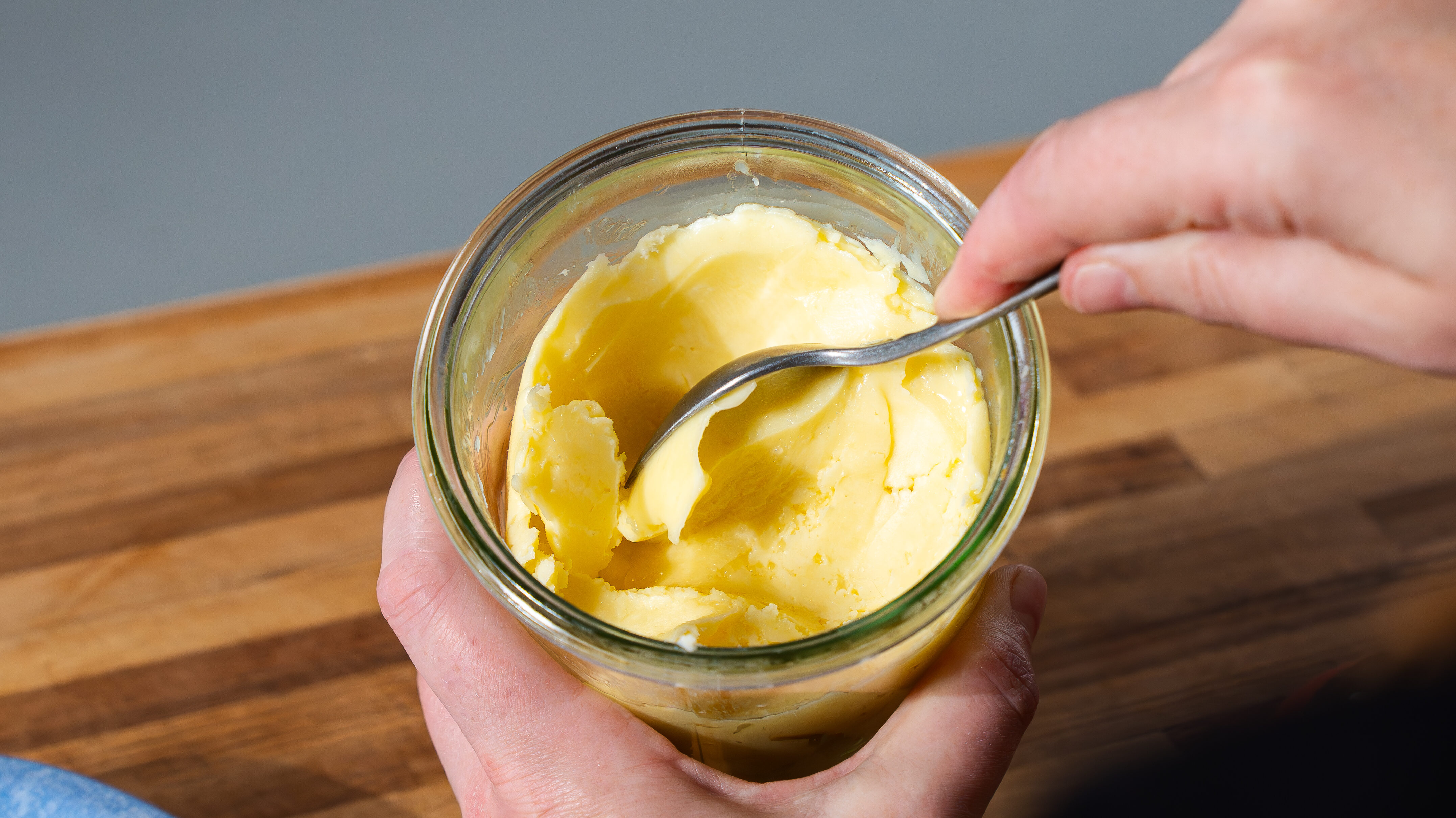
Learning how to make raw butter is actually pretty simple once you have a good source of raw cream preferably with a high butterfat content.
And there are a few easy methods that you can choose from to make nutrient dense raw butter.
How to make raw butter can be as simple as pouring raw cream halfway into a jar with a tight-fitting lid and shaking until butter appears.
However, most people will want to skip this strenuous method and use their kitchen appliances to quickly whip-up a batch of raw butter.
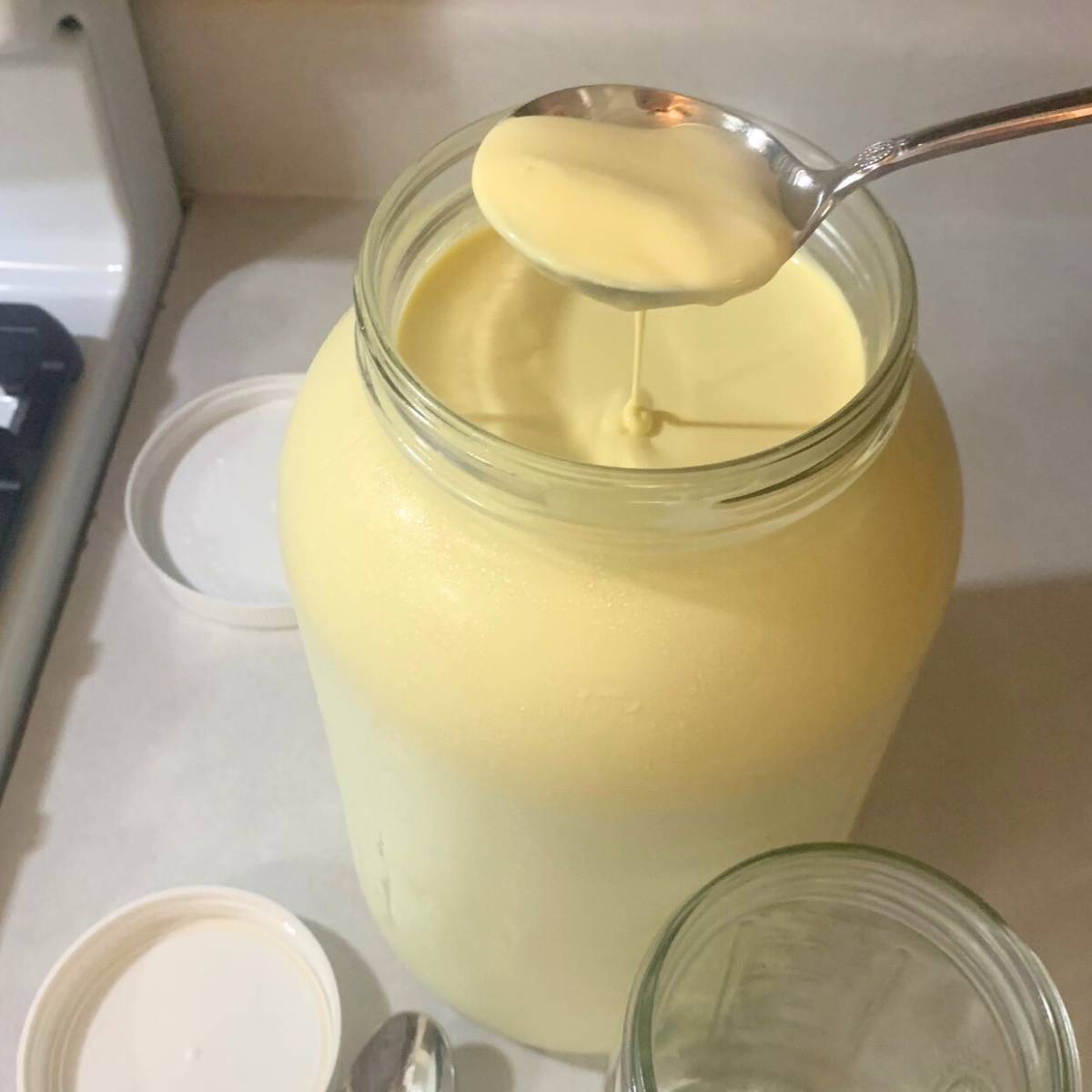
If you do not have access to heavy raw cream, but have access to raw milk, you will be able to make raw butter.
Just carefully skim off the cream when it rises to the top with a large spoon or small ladle, which may require a day or two for that to happen.
If you buy raw milk in a plastic jug, I would pour it into wide-mouthed glass jars when you get home to be able to access the cream better when it rises.
Just be sure to leave a small amount of the cream in the jar to avoid ladling any of the milk, which could change the consistency of the raw butter by watering it down.
You can learn how to create many different flavors with compound butter like a garlicky herb butter that is perfect for gardeners that have a lot of extra herbs in their garden.
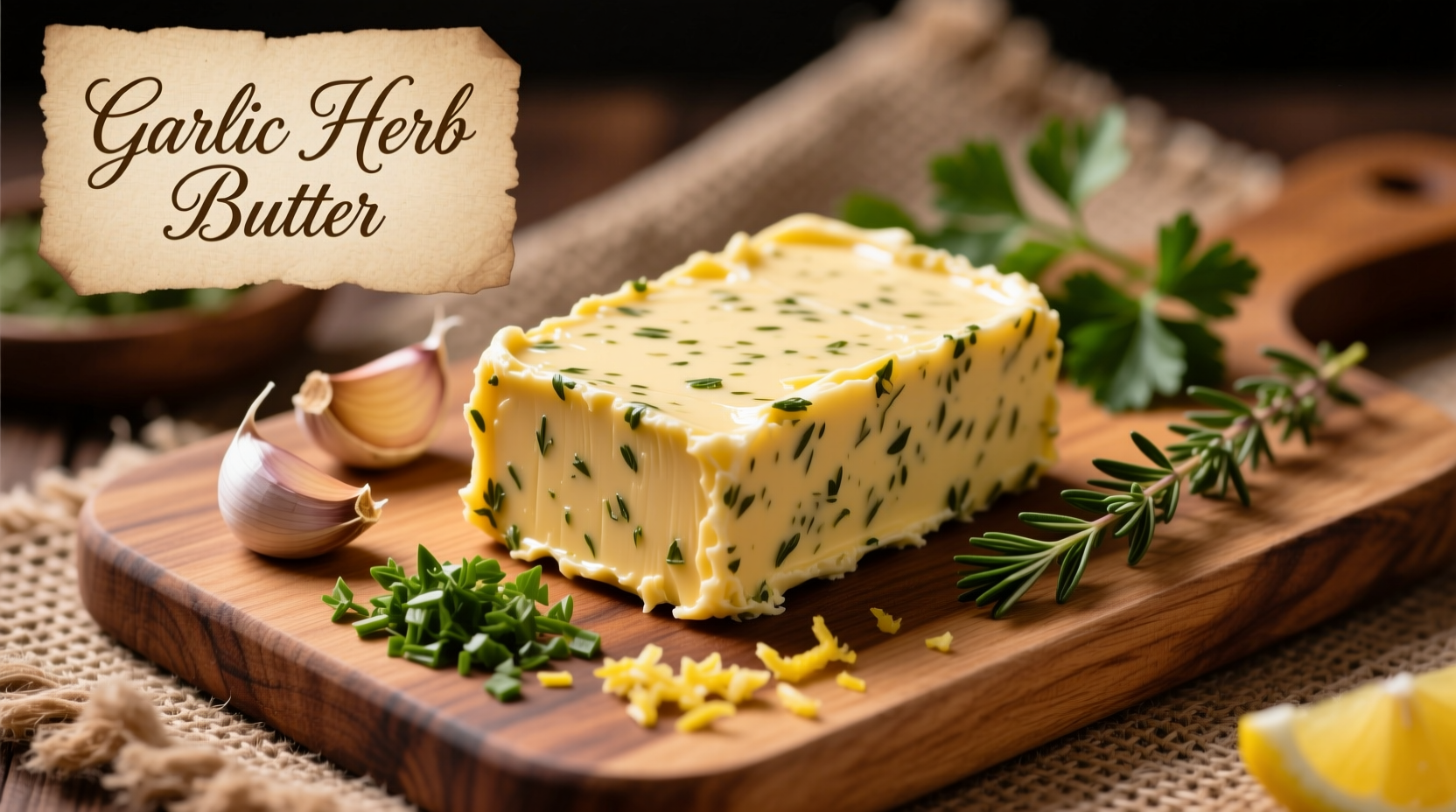
You can also learn how to make cultured butter, which takes a day or two longer. However, cultured butter has more probiotics and may enhance the body's ability to absorb more vitamins and minerals from meals.
Easy methods: how to make raw butter with modern-day appliances.
For centuries people have been churning raw cream to produce delicious and nutrient dense raw butter, which was a labour of love.
Back in the day, butter was churned by hand usually with a wooden barrel and a plunger to agitate the cream until butter formed.
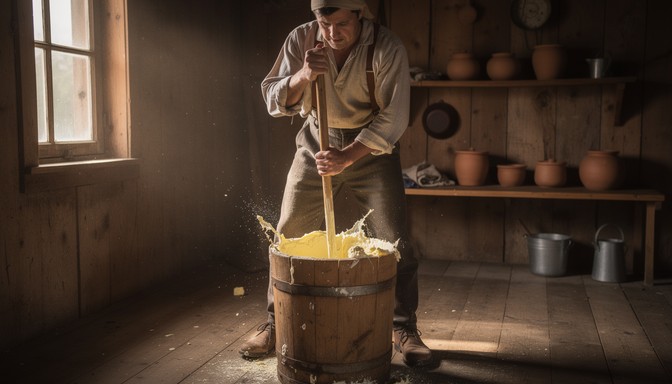
When raw cream is churned or agitated, the fat molecules clump together to form two products, which are butter and buttermilk.
Luckily, in a modern-day kitchen, you can use a few different appliances to make your raw butter quickly. Using a stand-mixer or hand mixer are two pretty easy methods for how to make raw butter.
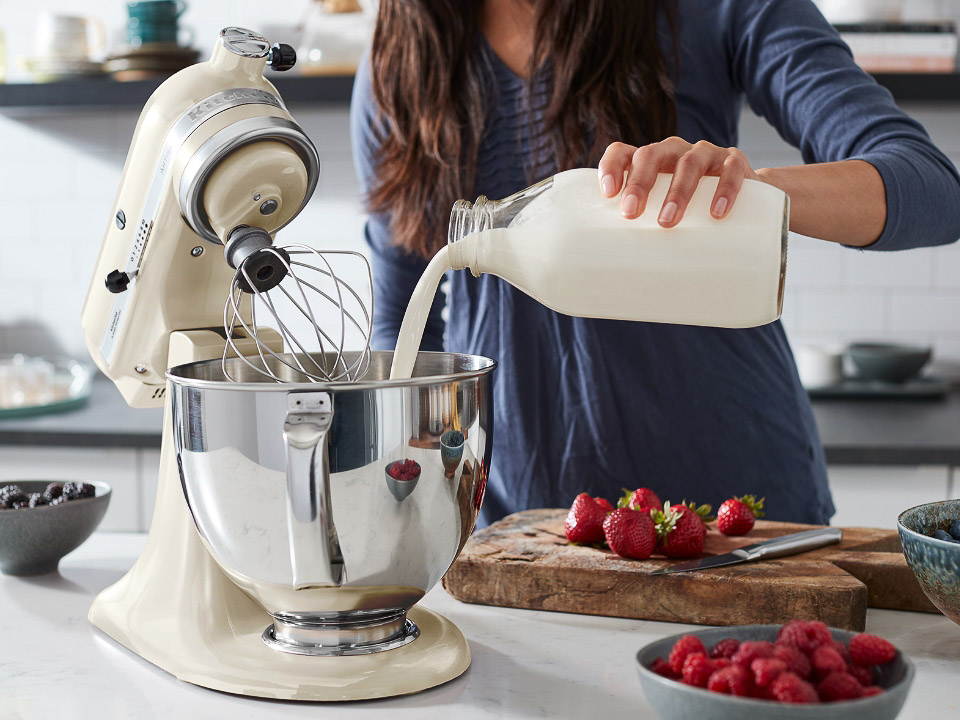
The fat content of your cream will play a crucial role in the amount needed to make a decent batch of butter. You'll want to use at least 2 cups to 1 quart of raw cream to successfully make butter with a stand mixer.
It's also best to not fill the bowl more than half way full. You can choose to use the paddle or whisk attachment to make butter.
The fat molecules in cream are the building blocks of butter and a higher fat content means more butter will be produced. A quart of heavy cream (36 to 40% butterfat) may produce 12 to 14 oz. of butter.
I recommend starting on a low speed setting and then gradually move to a higher speed when you begin the butter-making process. And stop the mixer and scrape down the sides a couple of times to incorporate all of the cream.
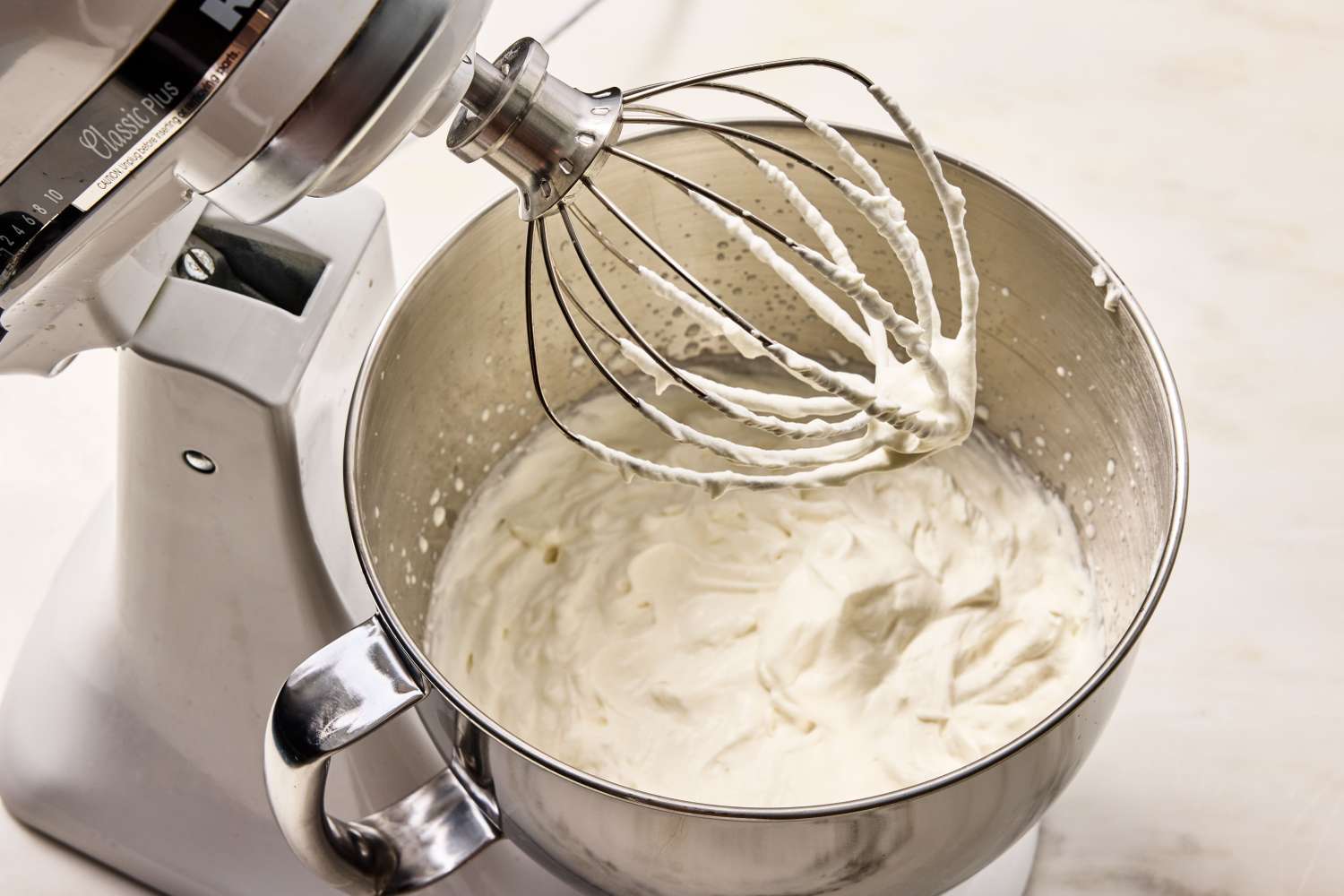
During the process of how to make raw butter, you will create raw whipped cream. If you are making a decent-sized batch of butter, you could stop and use some of this whipped cream for a culinary use.
Or you can just continue on to the next stage of how to make raw butter.
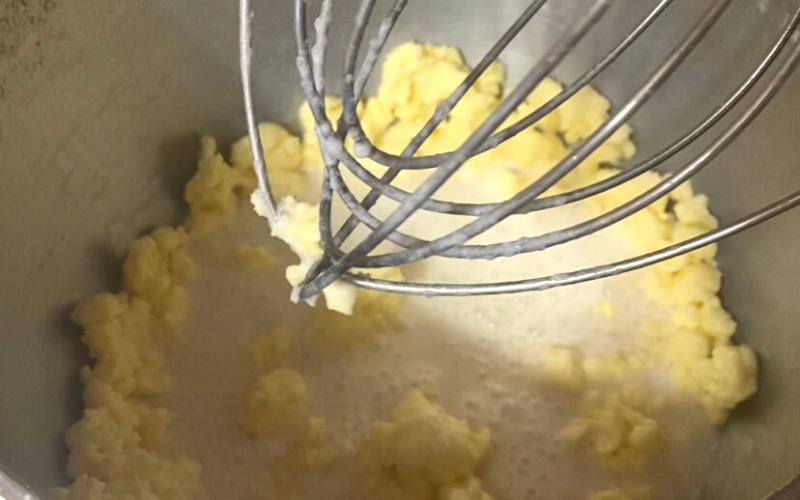
This is what the whipped cream will turn into once the butterfat molecules start to clump together and start to separate from the buttermilk.
When using a stand mixer, it's at this stage that you must carefully watch over the butter-making process because a lot of buttermilk could start to form and splash all over your kitchen counter.
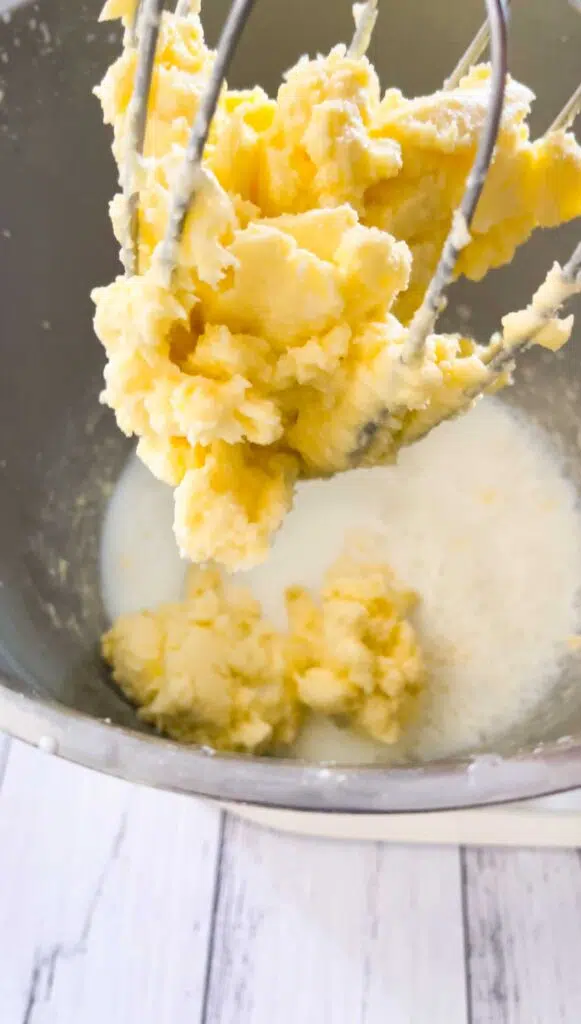
You may want to use a splash-guard or a towel to prevent this mess from happening. You could also lower the speed setting,
When using a stand-mixer, once the buttermilk starts splashing around this signals a complete separation from butter solids and buttermilk.
It's probably time to stop the butter-making process. Then remove the butter solids from the whisk and mixing bowl.
Be sure to strain the buttermilk for culinary uses like making homemade ranch dressing or use in your baked goods.
However, this buttermilk is not considered to be a cultured buttermilk.
The next important stage in how to make raw butter is placing butter in a bowl of cold water (keep some handy in the fridge). Squeeze out remaining buttermilk and change the water a few times until the water runs clear.
Keep in mind, the more buttermilk you wash out of your raw butter, the longer your butter will stay fresh. Please do not use chlorinated water!
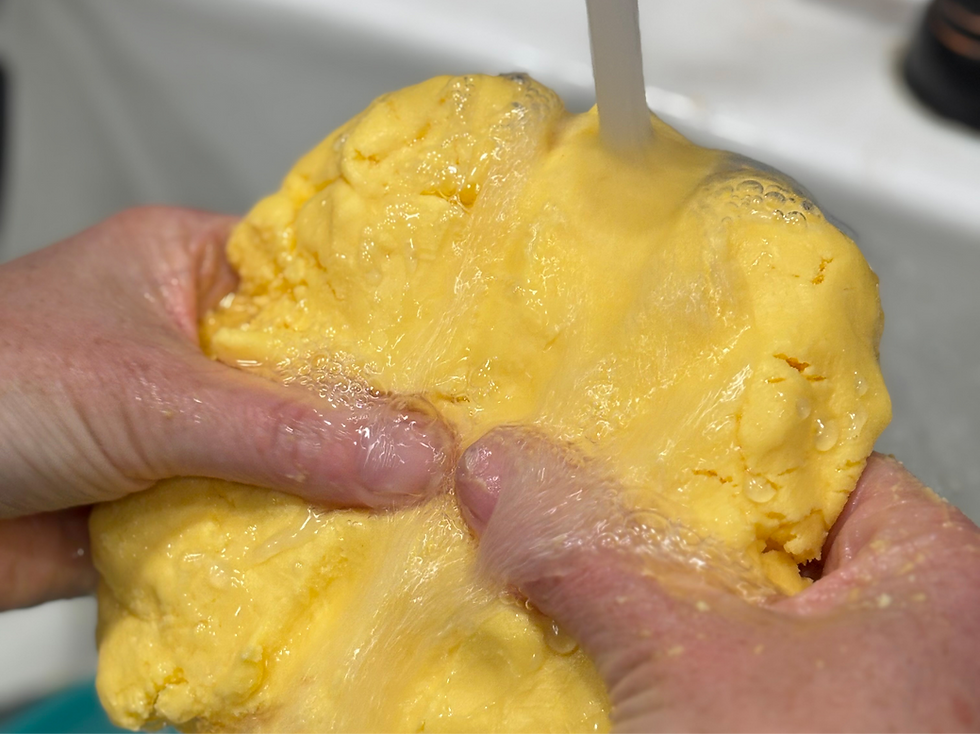
Tip: you can also knead and squeeze the raw butter to release any remaining buttermilk while occasionally rinsing in non-chlorinated cold water.
Occasionally, drop the butter in a bowl of filtered water with ice cubes to keep the raw butter from getting too soft.
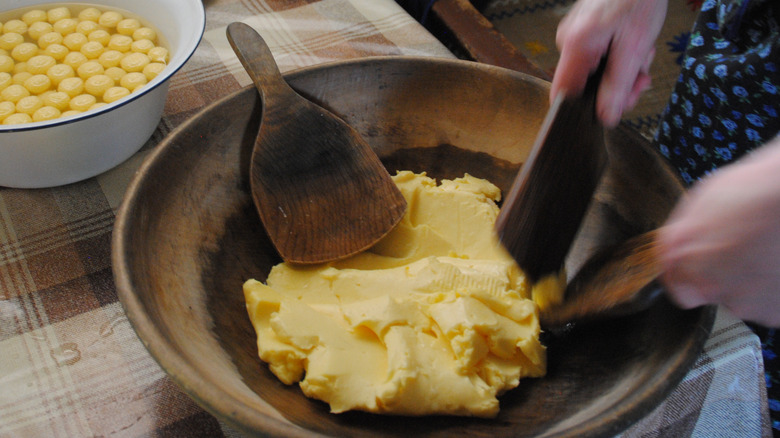
Then place your raw butter on a clean cutting board, in a large bowl, or on the kitchen counter. Press the raw butter with wooden spoons or paddles to get out any remaining buttermilk.
Transfer the finished raw butter into a container with a lid and store in the refrigerator - it should keep for 2 to 3 weeks.
One of the easiest and quickest methods is using a food processor or a good blender.
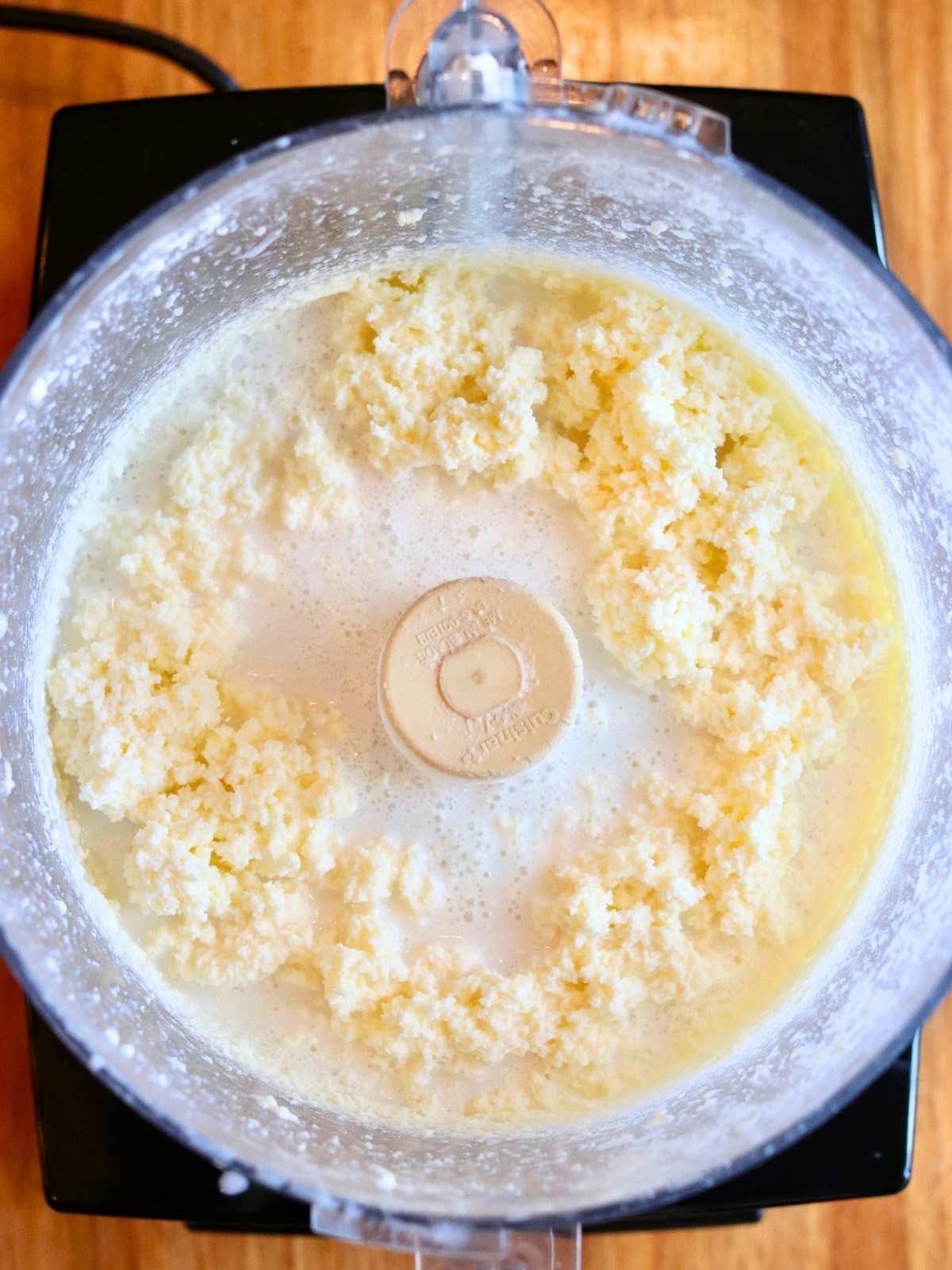
One of the easiest and quickest methods for how to make raw butter may be using a food processor or high speed blender.
Both appliances contain the buttermilk once the separation occurs.
Just be sure to use an appropriate amount of raw cream for your food processor or blender and do not go past the fill line.
Also, stop and scrape down the sides a couple of times to make sure all the cream is being used.
How quickly raw cream will turn into butter using a modern-day appliance will depend on many factors. It could take 2 to 15 minutes depending on.....
The fat content and amount of raw cream, the appliance, the speed setting used, and temperature of your cream will all affect how fast you will make butter.
Raw cream that's too warm or too cold affects the butter-making process!
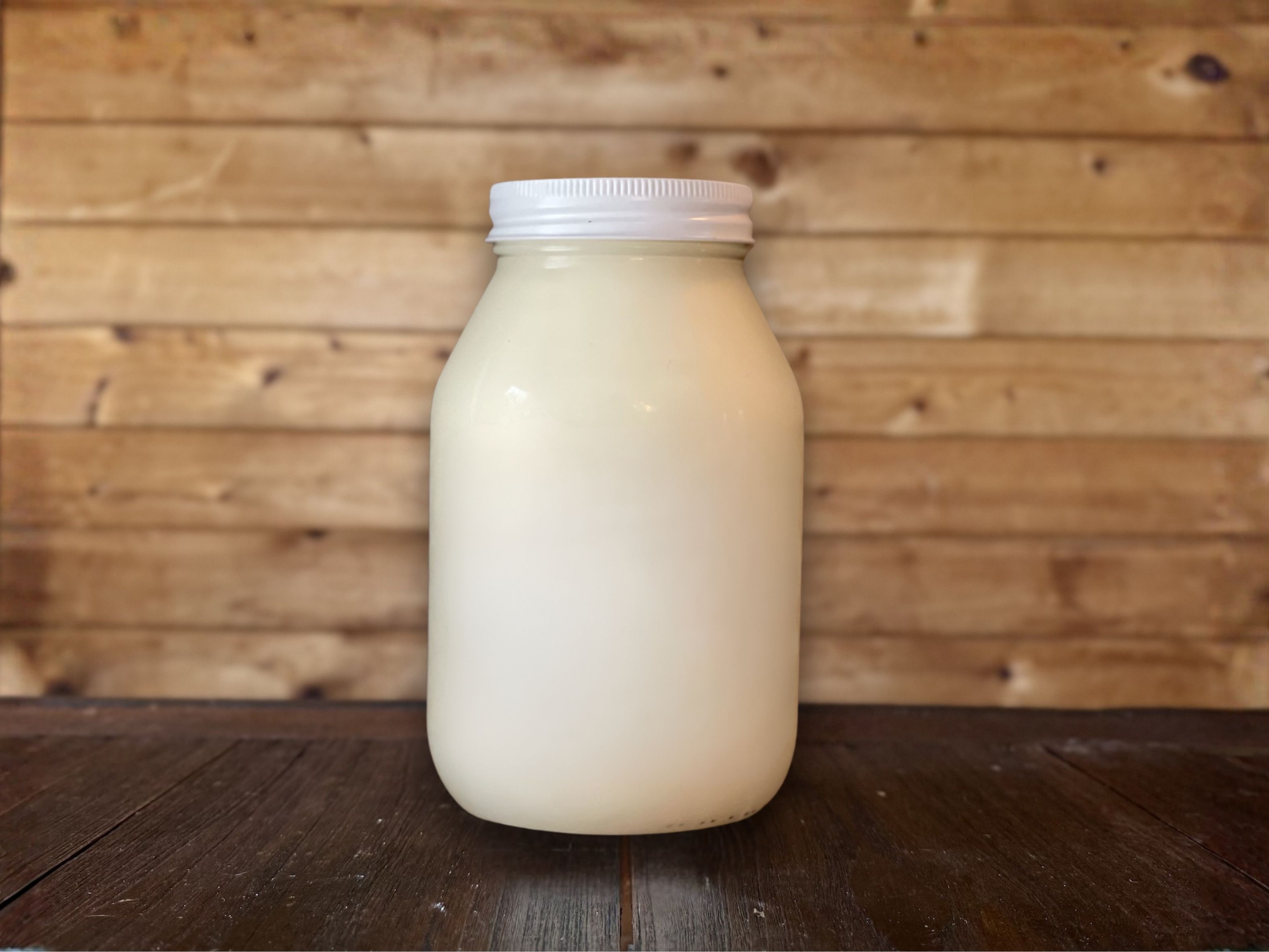
The temperature range of cream should be from 50 to 60 degrees F. and the optimal temperature may actually be 62 degrees F. Just leave cold cream to sit on your kitchen counter for a few hours to reach the right temperature.
If the temperature of the cream goes above 65 degrees F., your butter will be too greasy and hard to handle. Probably best to buy a food thermometer.
Very important: when using a food processor or blender, you must pay careful attention when the butter starts to form and separates from the buttermilk.
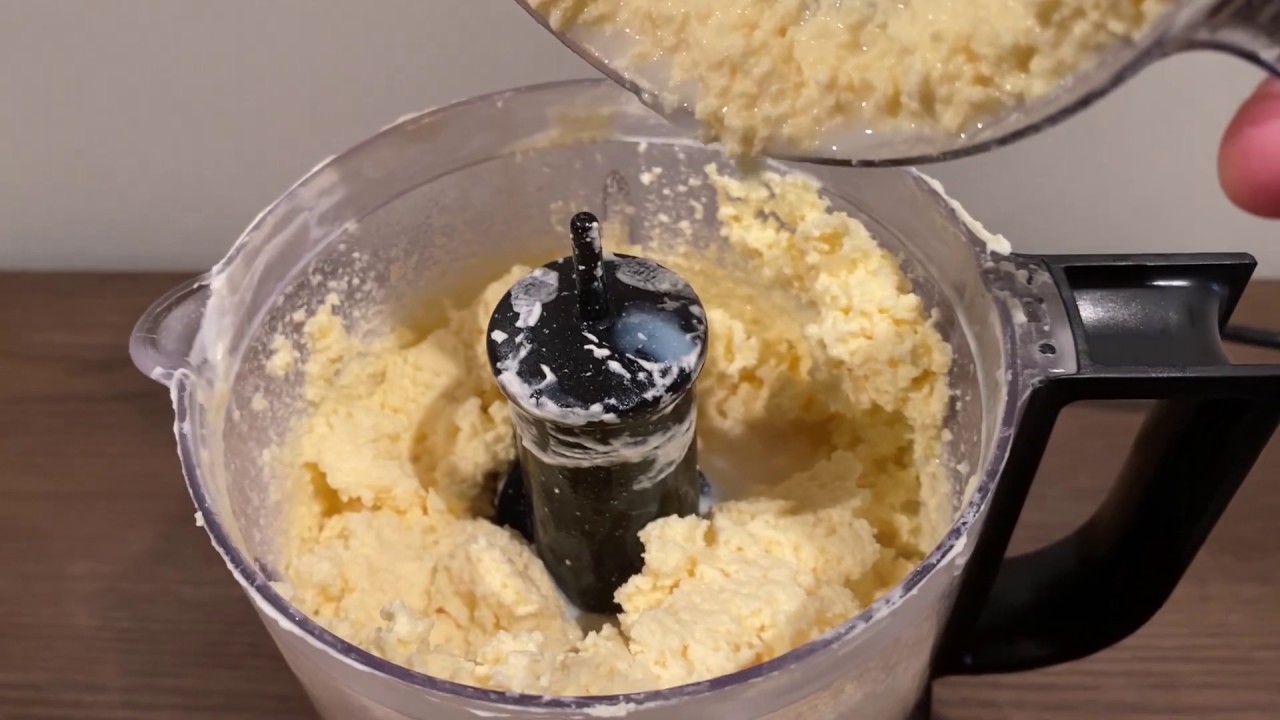
Do not over mix or you will end up mixing the buttermilk back into your raw butter again, which will make it very hard to squeeze out!
Tip: when the butter starts to separate, you may hear the sound of your food processor or blender change to a different pitch.
You may also hear and see buttermilk splashing around to let you know it's about time to stop. Use the pulse function near the end of butter-making process for more control.
How to make compound butter to create many flavors.
Once you have rinsed and removed all traces of buttermilk from your raw butter, you can turn it into compound butter.
Compound butter is made by blending fresh softened butter with herbs, spices, fruits, and other tasty ingredients.
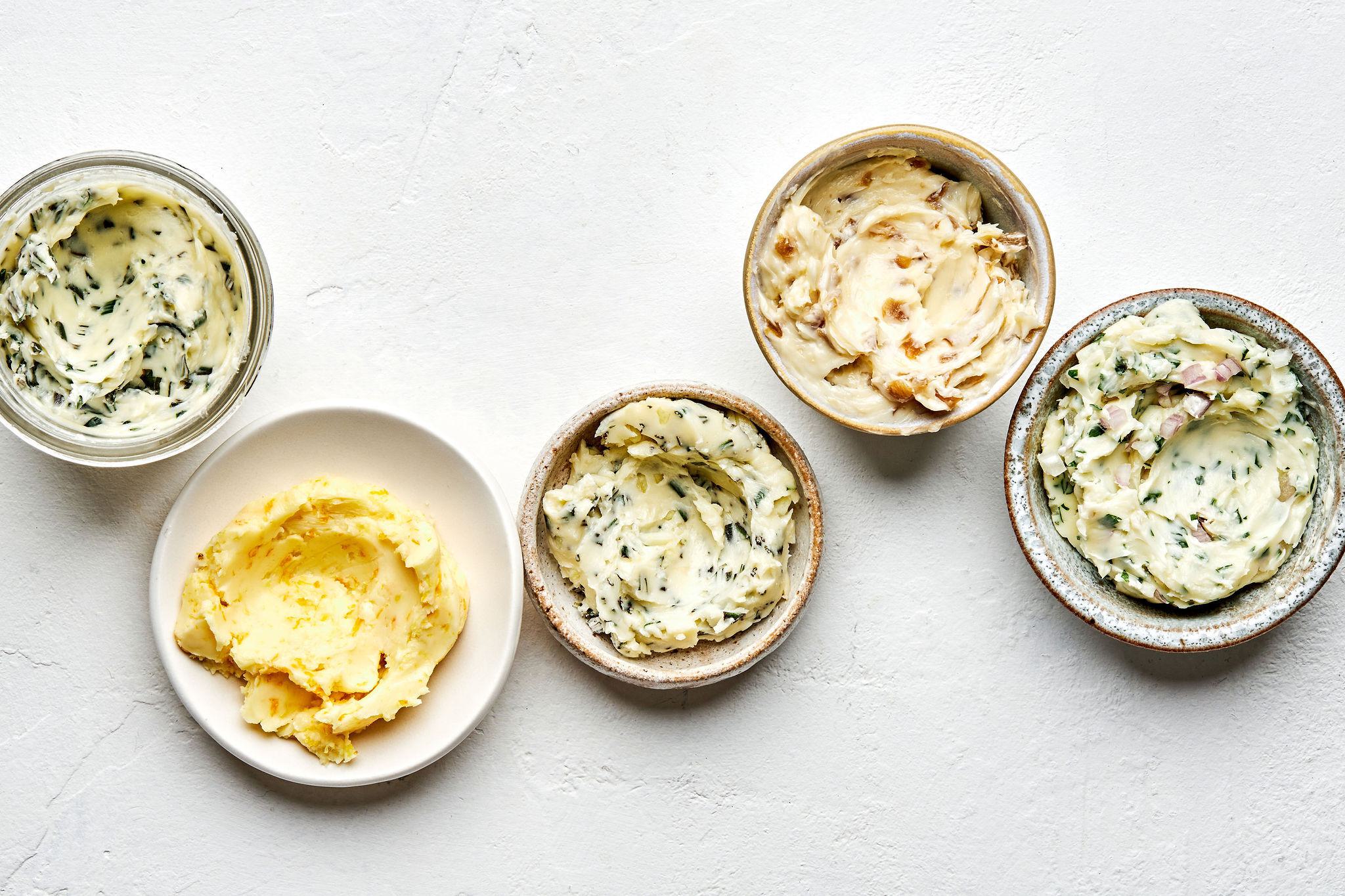
You can turn compound butter into whatever your preference may be at the time. You can choose to create a mustardy, savory, herby, sweet, or spicy compound butter.
Compound butter originates from French cuisine, but chefs from around the world swear by it as compound butter creates a gastronomic experience for the diner.
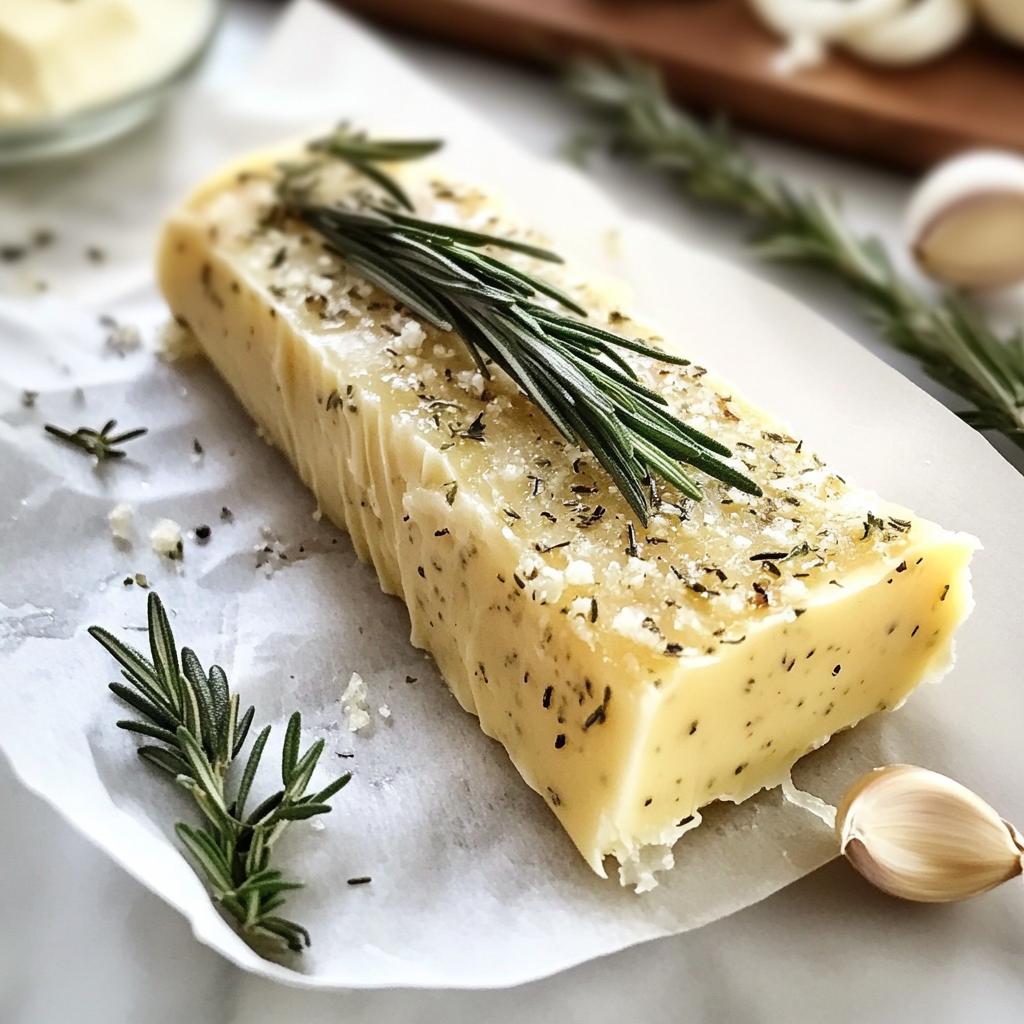
One of the most popular compound butter flavors is a garlic and herb combo that you can use to put on your bread, pasta, or steak dinners.
Compound butter is often used as a finishing butter, used to make a quick sauce for meals, and can also be used in your recipes.
Flavored butter adds a richness and complexity to a variety of meals and is served on hot veggies, eggs, seafood, meats, and baked goods.
One of the most simple sweet compound butter recipes is adding your favorite raw honey to the softened raw butter to create honey butter.
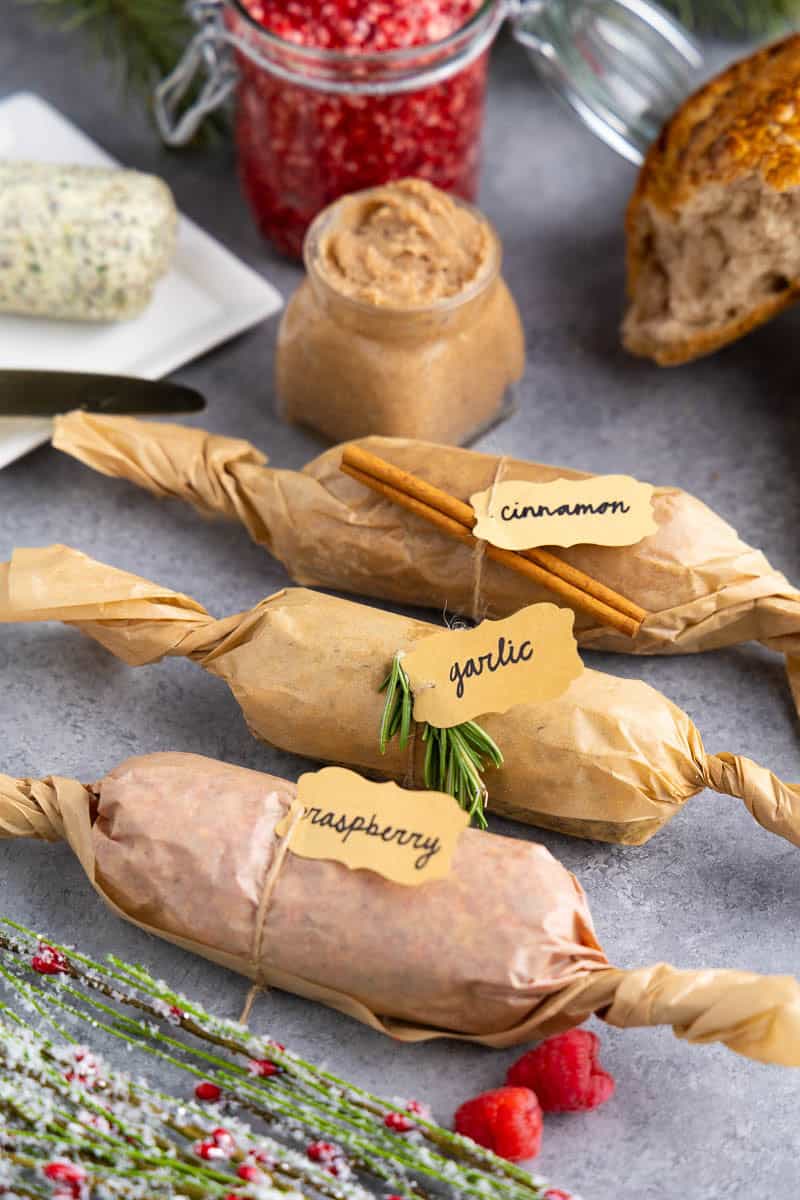
Take it a step further, by adding in a spice like cinnamon or fresh raspberry puree to make a raspberry compound butter.
You can literally add anything you want to the softened butter, just let your imagination run wild.
Compound butter can make great holiday gifts, which you can wrap in parchment paper and creatively label.
It can be stored in the refrigerator for about 5 days to a month depending on the ingredients that you choose to use.
Next time you find yourself in need of more flavor, consider making a batch of compound butter to add something special to everyday meals - it's just delicious!
How to make cultured butter to create a healthier gut.
Learning how to make cultured butter may help you add beneficial bacteria into your gut because it is considered a fermented food, which may lead to better overall nutrient uptake.
Keep in mind, this process may take a day or two longer, but making cultured butter may be worth the wait.
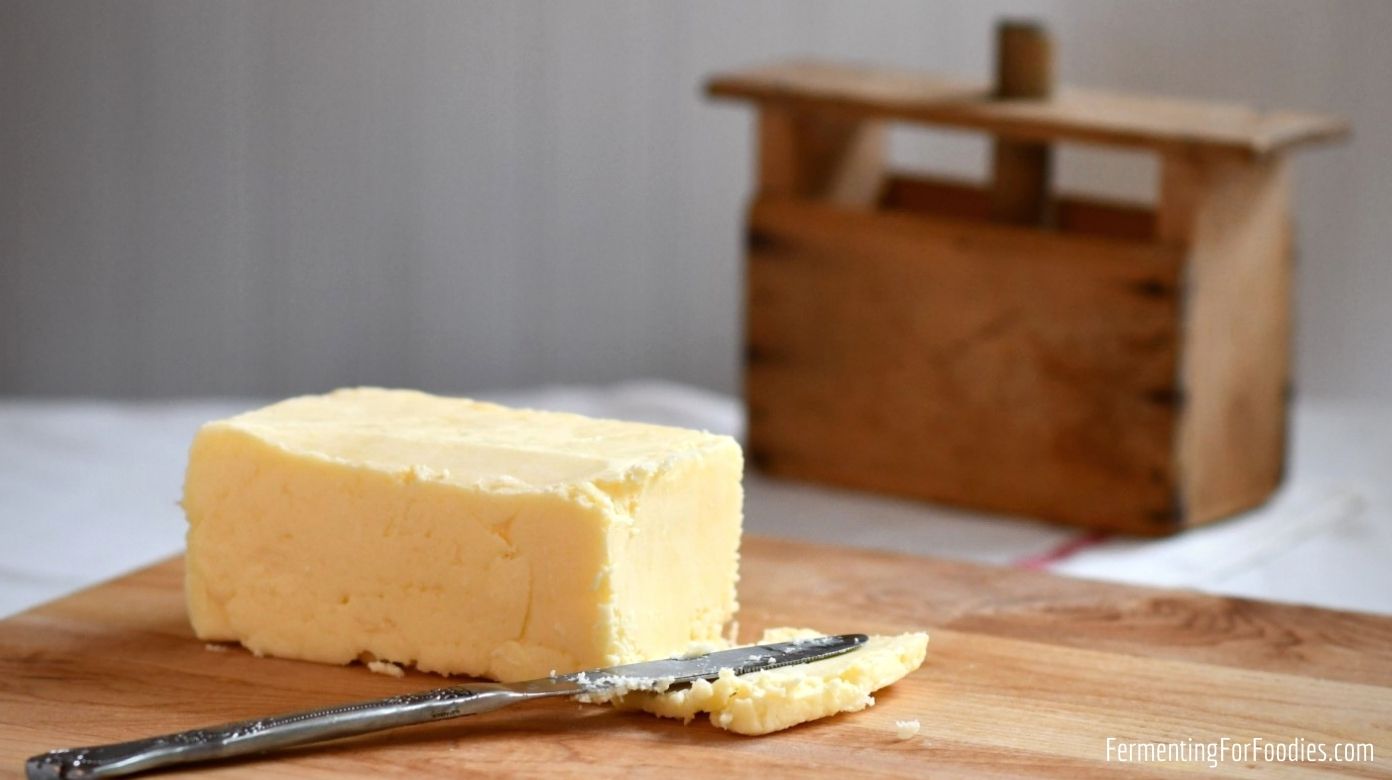
Making cultured butter uses the same steps as discussed earlier, only you will need to culture the raw cream first in order to make cultured butter.
You can speed up the process by using cultured buttermilk or plain kefir. For every quart of raw cream, you would add 3 Tbsp. of buttermilk or kefir - give it a stir.
Let the raw cream (will culture naturally) or the raw cream you cultured sit on your kitchen counter loosely capped for 24 to 48 hours, which will depend on the temperature of your kitchen.
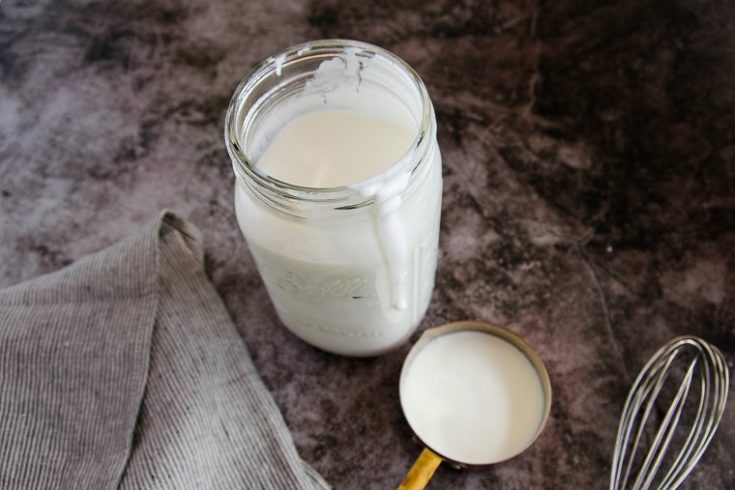
When it's ready, it will be thicker in consistency and a little tangy. In fact, this is how to make sour cream, which you could take a little of to use and then continue on to the butter-making process.
Tip: after the fermentation process, you may need to put the cultured cream back in the refrigerator for about an hour to get it to the right butter-making temperature.
Then just pour the cultured cream into your chosen appliance to make the cultured butter. As a bonus, you may actually get more butter from using cultured cream than using the sweet cream.
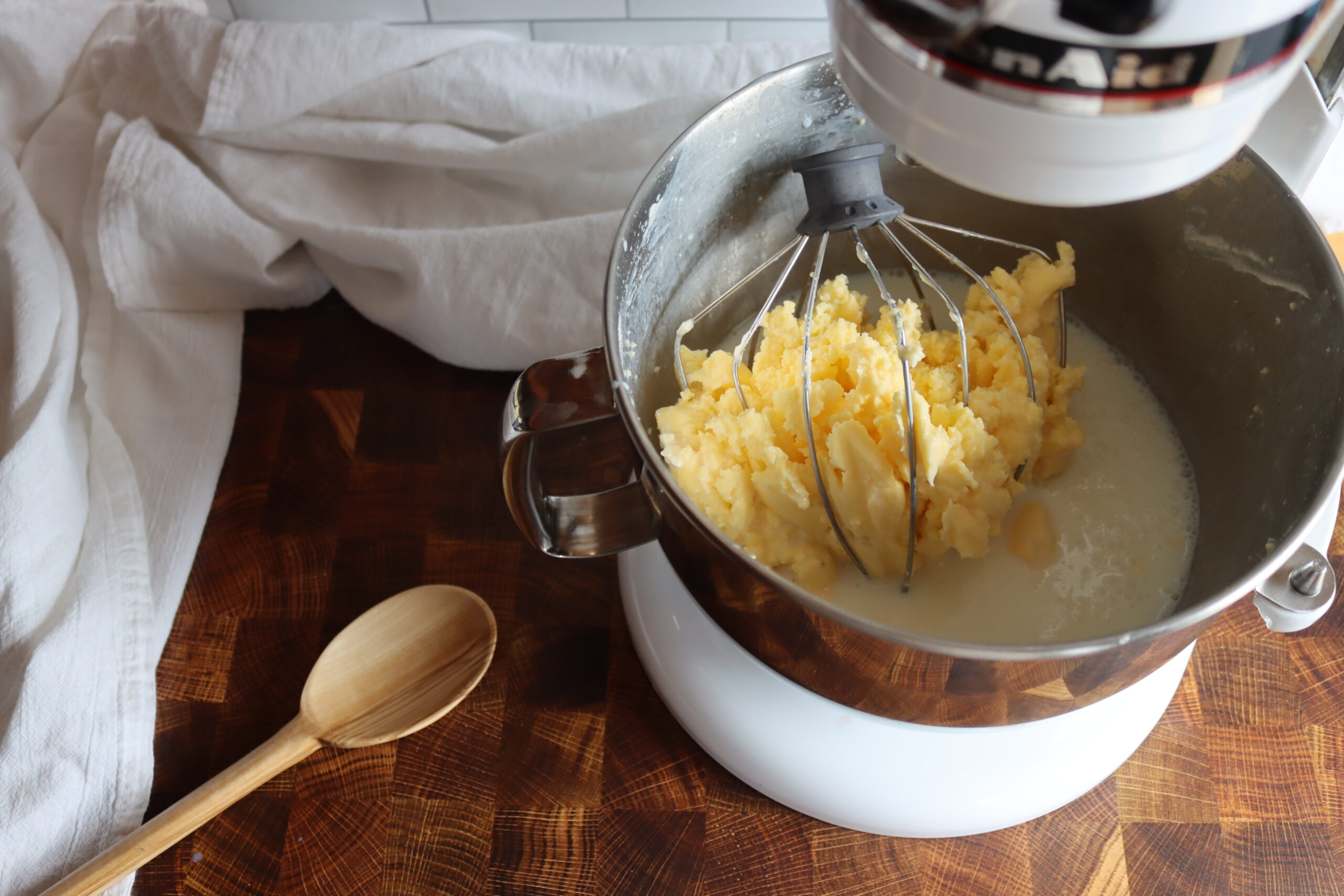
When the butter-making process finishes, save the cultured buttermilk and be sure to rinse the butter in cold filtered water and squeeze out any buttermilk left in the cultured butter before storing to extend its shelf life.
Cultured butter has a more pronounced and slightly tangy flavor than the sweet cream butter. It should also keep a little longer in the refrigerator.
The best quality raw butter comes from grass fed or pastured animals.
The best quality raw butter will always come from cream that came from grass fed or pastured dairy animals.
You will notice when you learn how to make raw butter that during the spring and early fall, butter from grass fed or pastured cows will be much richer in color.
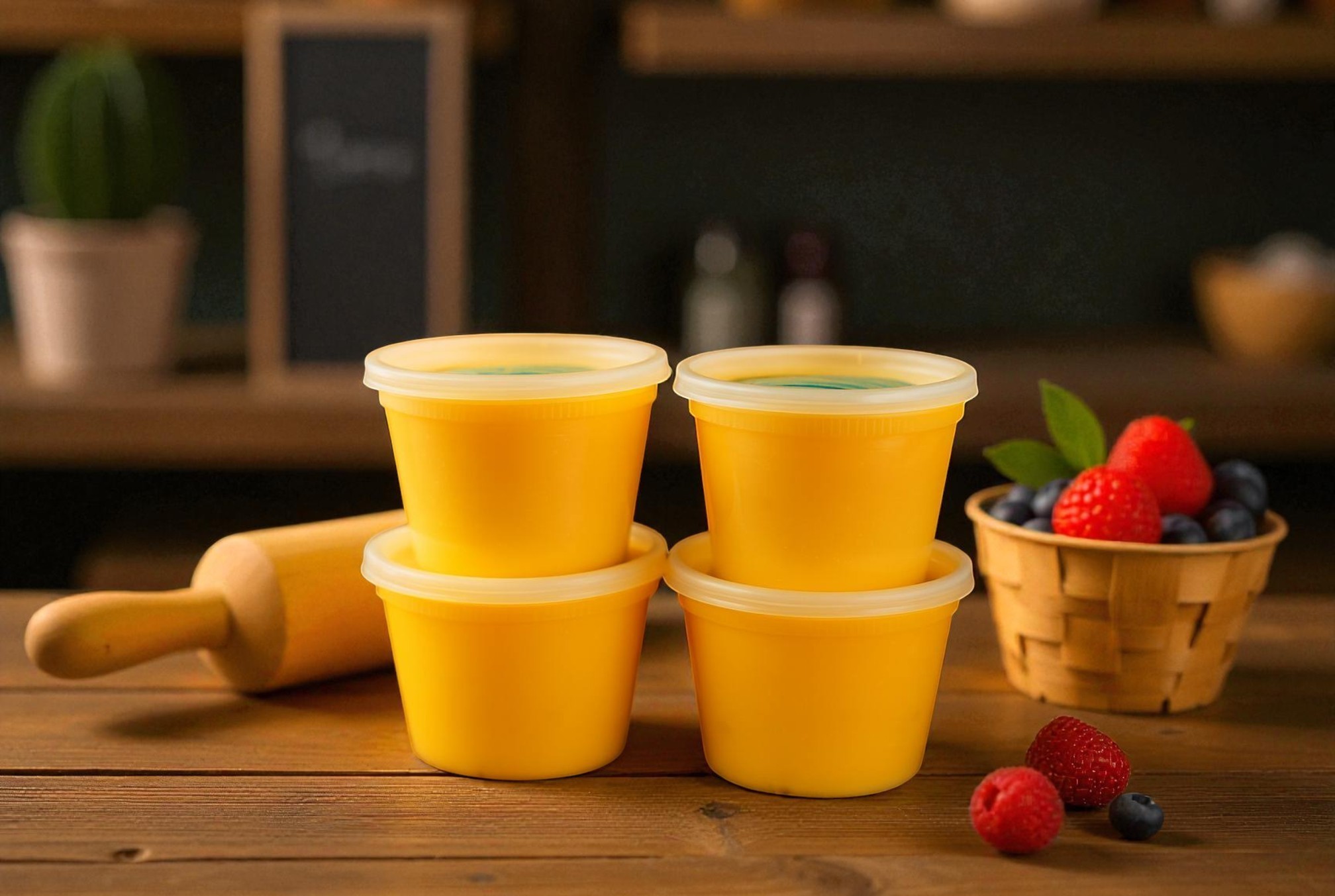
Beta-carotene is what gives cream and butter from grass fed or pastured cows that characteristic dark yellow color.
Pastures with lush green grass especially during spring time will provide more beta-carotene and other nutrients for dairy animals.
Grass fed or pastured butter made during the spring and early fall in most regions is an excellent source of vitamins K2, A, D, and vitamin E.
Grass fed or pastured butter will also be a good source of healthy fatty acids such as butyrate, omega 3s, and CLA.
Butter that's made from cream that came from cows fed hay or dried grass during winter or other times of the year will be much lighter in color.
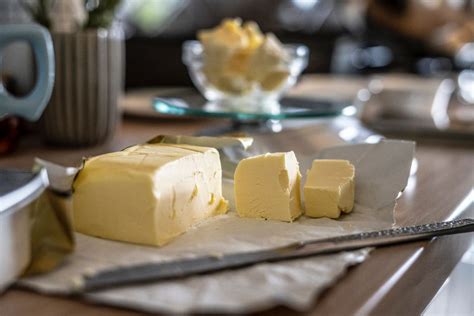
Hay doesn't have the same nutrients as lush green pastures and this shows up in the finished product. What a cow eats does affect the quality of the milk that it can produce - cows are like humans in that way.
Butter that is made from cream that comes from grain fed cows, will also be lighter in color especially if conventionally raised.
Conventional cows are not grazing on green grass or pastures. These cows are confined and fed a mixture of grains (like corn, etc.) and food industry by-products.
By-products fed to dairy cows can include orange peels, spent grains from beer making, distiller grains, soybean meal, cottonseed meal, canola meal, baking waste, and almond hulls.
On the other hand, grass fed or pastured dairy cows are munching on green grass all day long in the sunshine. This will create a much healthier animal and butter that's way more nutritious.
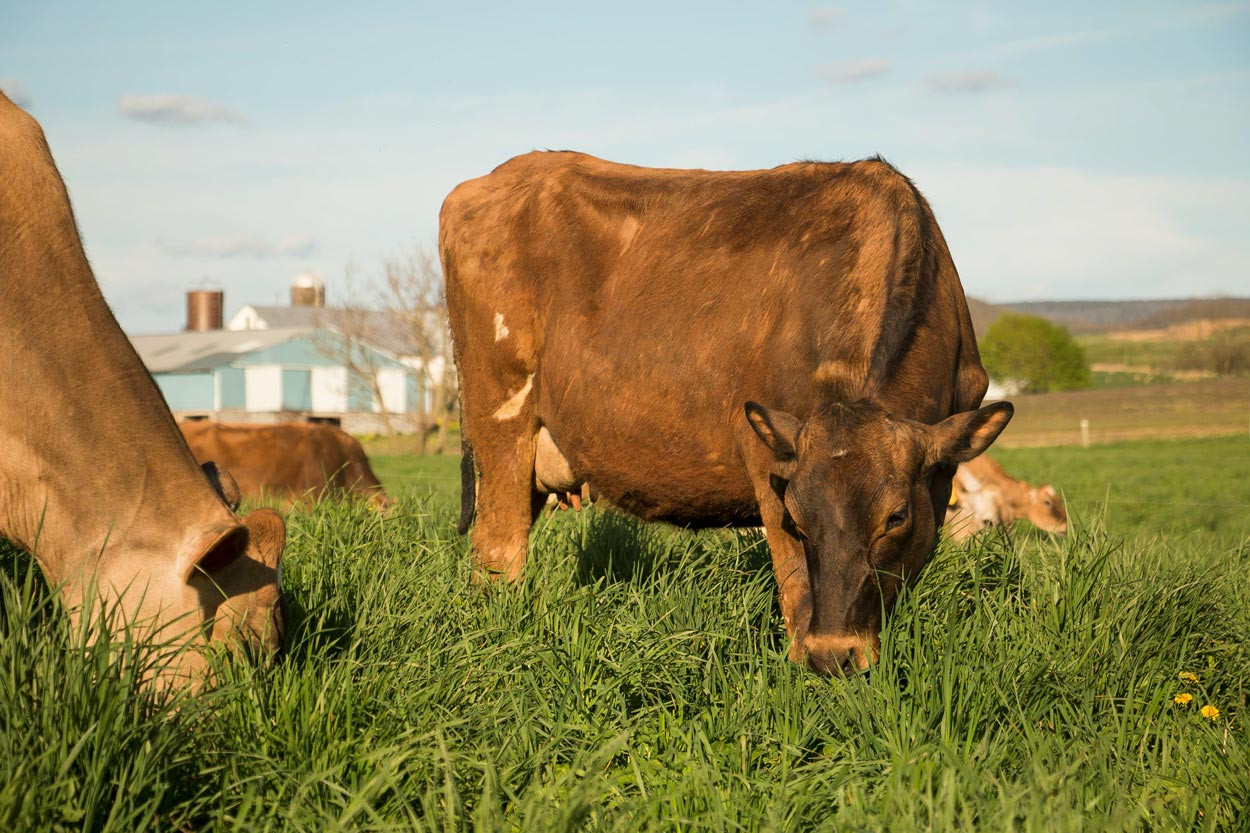
Raw butter that comes from a healthy
cow will have enzymes, fat-soluble vitamins, trace minerals, healthy fats, and healthy bacteria that naturally helps keep down the bad
bacteria.
When you learn how to make raw butter, you can easily make dairy products like whipped cream, buttermilk, cultured butter, sour cream, and compound butter. How great is that!
- Home
- Eating Raw Foods
- How to Make Raw Butter
Resources
1. How to make BUTTER from scratch!, By Jess from The Farmer's Table, https://www.youtube.com/watch?v=gFGkF6B06VM
2. How to Make Cultured Butter from Raw Milk | Come milk my Jersey cow Sally with me & make butter!, Hopewell Heights, https://www.youtube.com/watch?v=DLoy4SCzojE
3. How To Make Homemade Cultured Butter | Fermented butter using only 2 ingredients, Healthy Elizabeth, https://www.youtube.com/watch?v=0edie-nZXX8
4. What is Compound Butter and How Do You Make It At Home? Allrecipes, By Corey Williams, Published on January 27, 2022
Recent Articles


-
Advanced glycation end products: glycation, effects of, low AGEs diet.
Sep 03, 26 04:13 PM
 AGEs is short for advanced glycation end products that is an ominous warning because that's exactly what they'll do - they AGE you!!
 -
Reasons why you need protein: deficiency, God code & building blocks.
Aug 30, 26 03:49 PM
 Why you need protein is a vast subject. Basically, you need protein to maintain your body and to build new proteins that will help you to evolve.
 -
Best sources of healthy fats: saturated fats and rabbit starvation.
Aug 17, 26 04:38 PM
 The best sources of healthy fats will surprisingly be found in a tropical fruit, seafood, and in the fat of animal foods.