Best sources of healthy fats: saturated fats, rabbit starvation, and the coconut diet.
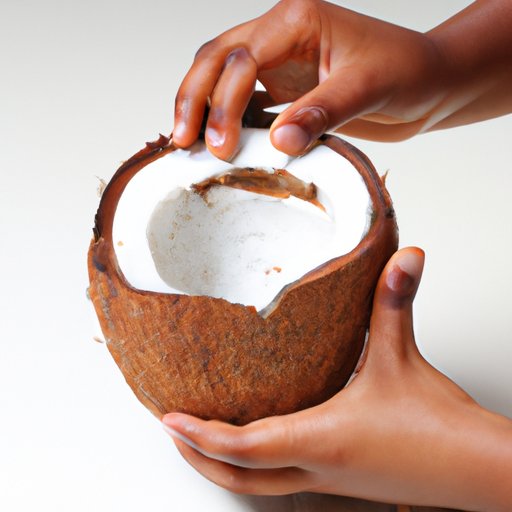
The best sources of healthy fats will surprisingly be found in a tropical fruit, seafood, and in the fat of animal foods.
Coconuts contain the highest amount of saturated fat and seafood is highest in omega 3 fatty acids.
There seems to be a magical synergy that occurs when you combine these two healthy fats, which leads to better metabolic health.

I'll give you examples of the indigenous people who thrived on these "forgotten" best sources of healthy fats.
And escaped diseases of modern man!
These healthy Pacific Islanders lived in the warm coastal regions from different parts of the world.
These places supported the growth of coconuts, which are technically a drupe and offered lots of seafood.
The indigenous people, who got their saturated fat from coconuts, were able to experience great metabolic health even while on a high carbohydrate diet.
Despite all the fear that has been centered around saturated fats, your body needs a certain amount of this fat in order to function properly.
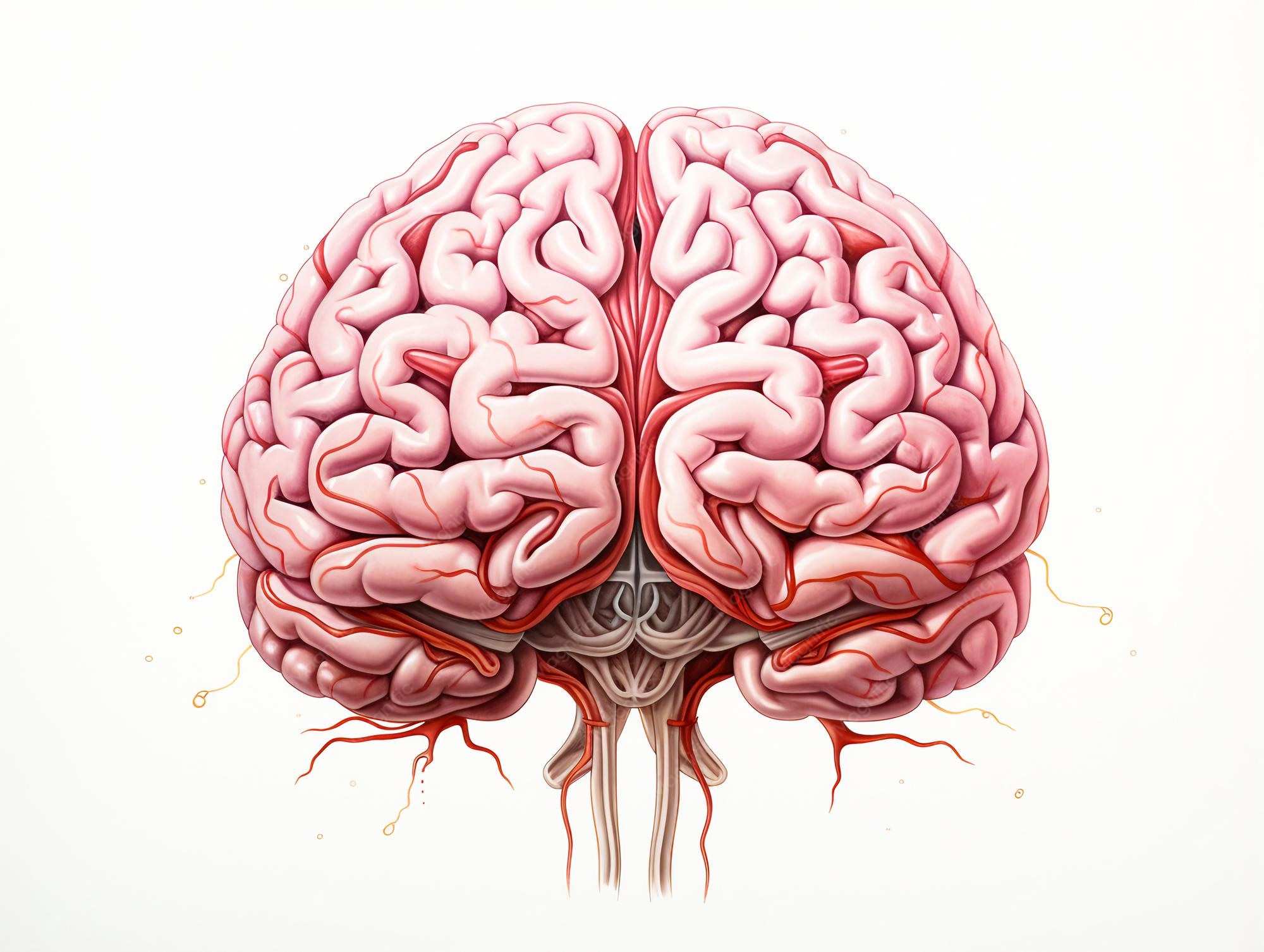
Your brain is mainly composed of fats and saturated fat play a very important role.
Your kidneys function better with a saturated fat called myristic acid that's found in coconuts.
Your lungs need an adequate supply of saturated fat to work properly.
Calcium requires a certain percentage of saturated fat to be incorporated into your bones.
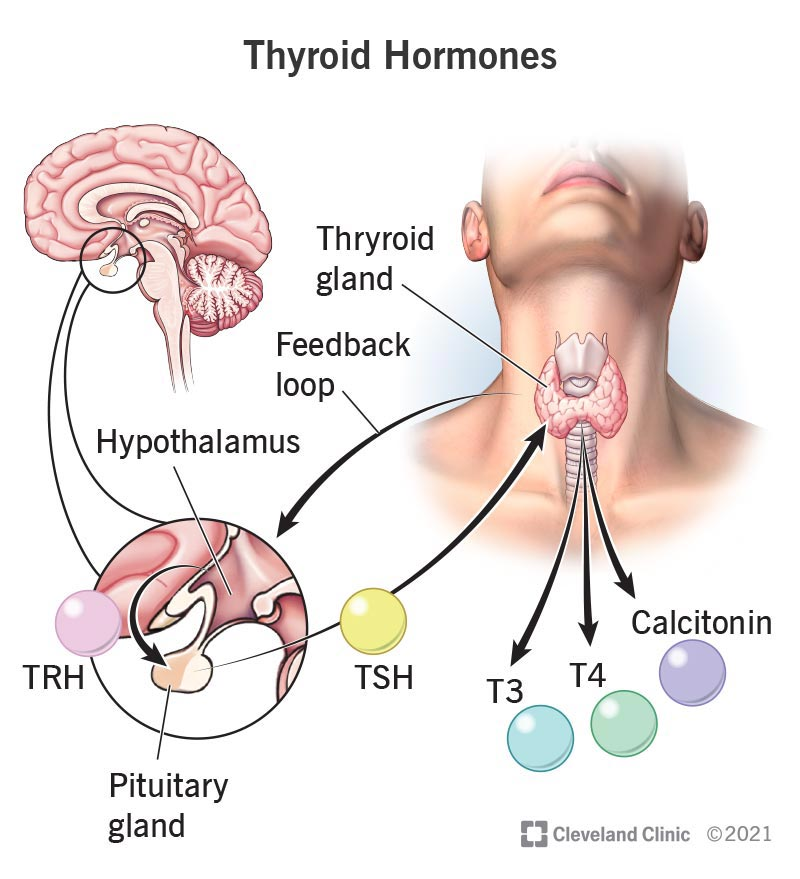
Hormones that affect hundreds of bodily functions, require saturated fat to do their jobs.
Cells will communicate better when you consume enough saturated fat.
Saturated fat protects your liver from toxins and inflammation can be controlled with a good supply.
Omega 3's need saturated fat in order to be used properly by your body.
For Native American Indians, the best sources of healthy fats often came from the saturated fat of animals, carefully selected for their fat-soluble vitamin content.
The saturated fat was prized and not the lean meat of animals. Some of the indigenous Indians would keep only the fatty parts of an animal and throw the rest away.
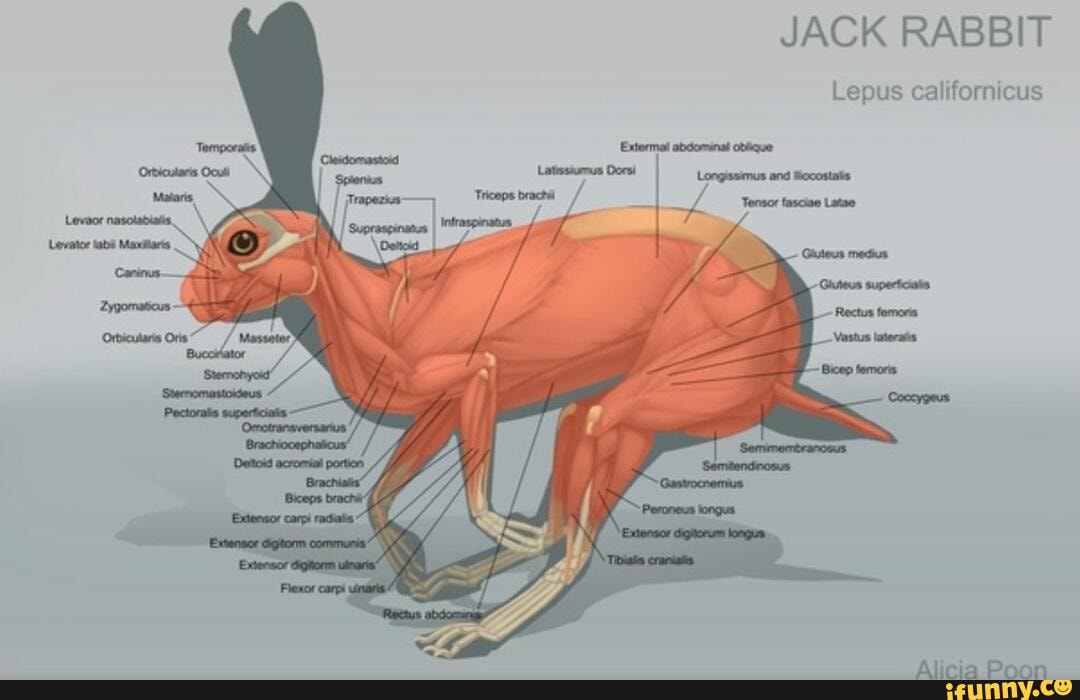
Focusing too much on protein as the most important macro-nutrient can be a presumption that may eventual lead to rabbit starvation, which you do not want to experience!
Without the best sources of healthy fats or enough carbohydrates, your body will quite literally stop working.
Saturated fats: very important for your cell membranes and building your body.
A popular myth about the American diet is that it's very high in saturated fat compared to most of the traditional diets.
However, by historical standards, the saturated fat content of the American diet is not high at all, it's more on the moderate side or 11%.
Basically, there are three main types of fats in our foods, which are saturated, monounsaturated, and polyunsaturated fatty acids.
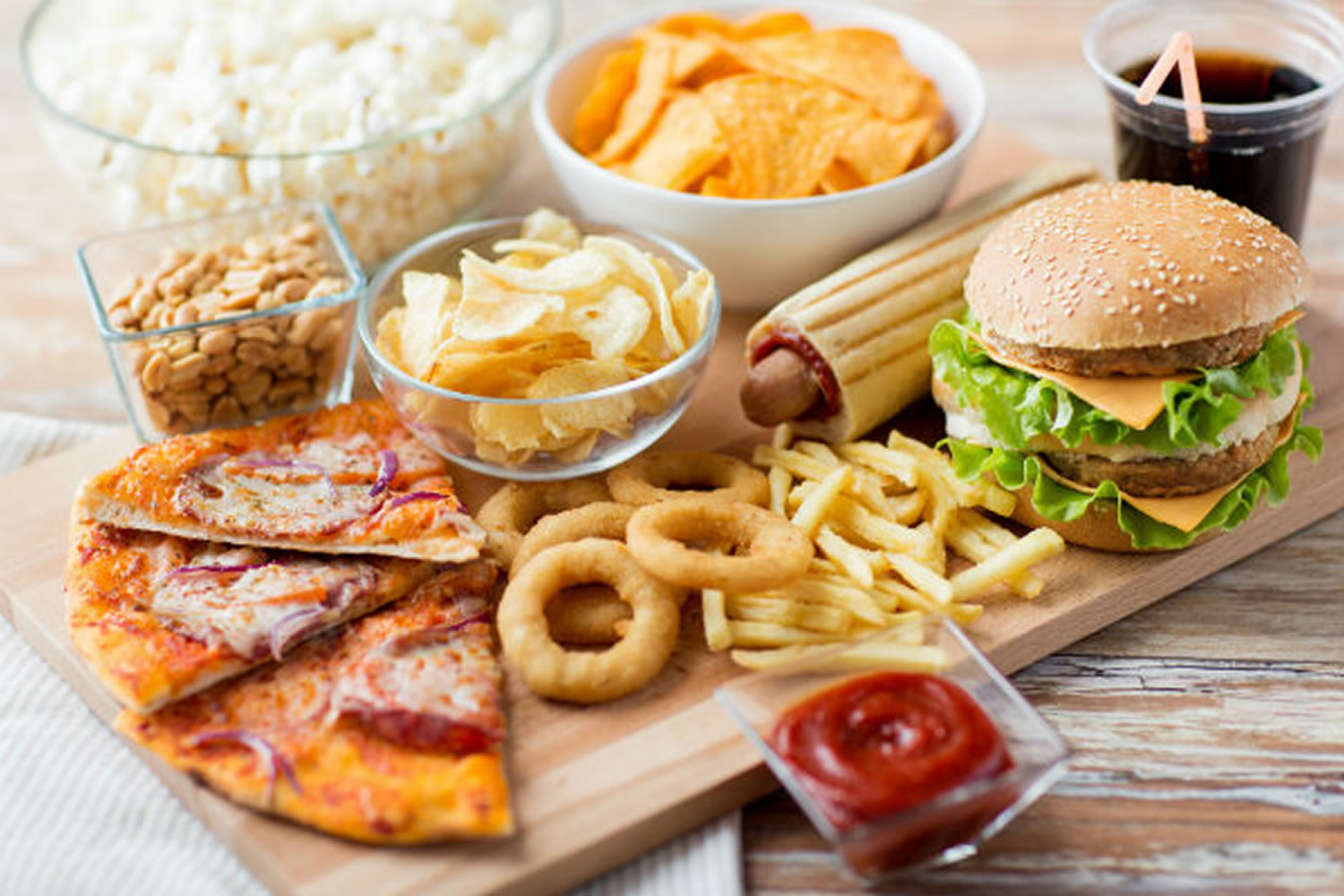
Sadly, the polyunsaturated fatty acids have taken over the American diet and this is a problem because they have the potential to remove your supply of important antioxidants and vitamins.
Polyunsaturated fats oxidize very easily especially when exposed to heat and lead to formation of lipid radicals that usually oxidize vitamin E then bind to proteins and large molecules, altering their structure and function.
The saturated fats are less prone to oxidation, more straight in shape, can easily pack together, and are pretty solid at room temp. This makes them very important for cell structure.
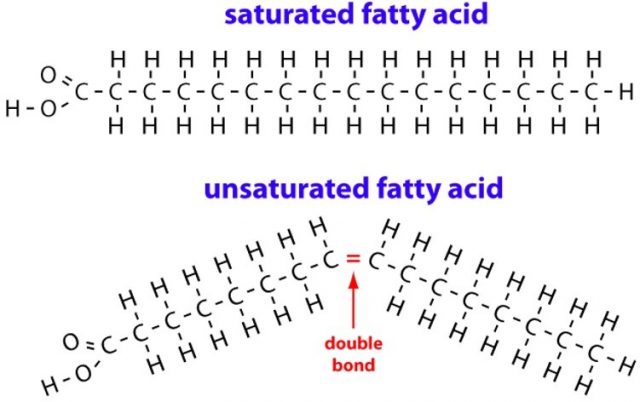
The monounsaturated fatty acids will be less straight because of having one double bond in their fatty acid chain and are liquid at room temperature.
The polyunsaturated fatty acids will have two or more double bonds, so will be the least straight, but flexible of all the fatty acids. And it remains liquid even in the refrigerator.
Basically, saturated fats will make your cell membranes less fluid and the unsaturated fats will make your cell membranes more fluid.
You will need an adequate supply of saturated fats.
Our cell membranes are often described as a "fluid mosaic" that consist of a lipid phase with the consistency of olive oil that's studded by proteins. Some of these proteins move around freely and some are kept in position.
Specific saturated fatty acids like myristate, palmitate, and stearate that are long-chain fatty acids will form the molecular anchors that attach many of various proteins to your cell membranes.
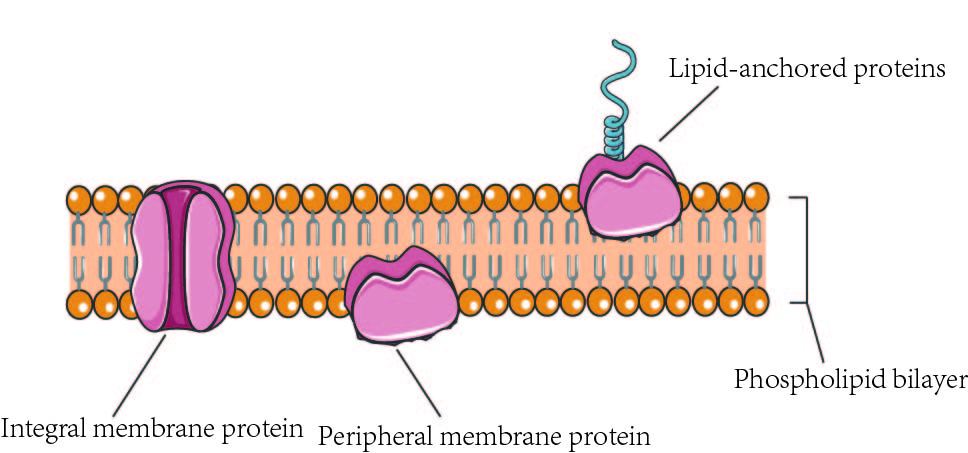
Proteins will often be anchored in specific regions called "lipid rafts," that are enriched with saturated fatty acids, which provide the stability that is needed to keep proteins from floating away from their proper positions.
Our cells will seek to strike the right balance between the different fatty acids to achieve the optimal amount of fluidity in our membranes that are usually made up of about 50% saturated fatty acids.
The best sources of healthy fats can be found in animal foods. Animal fats are a mix of saturated and monounsaturated fats with a small amount of polyunsaturated fats.
Best sources of healthy fats will come from a more "primitive" diet.
Diets of American Indians varied with the locality and climate. However, all were based on a variety of animal foods, that included large game, small animals, wild birds, and food from the sea.
The famous explorer, Vilhjalmur Stefansson, who spent many years with the indigenous Indians, noted that they preferred, "the flesh of older animals to that of calves, yearlings, and two-year olds............it is approximately so with those northern forest Indians with whom I have hunted, and probably with all caribou-eaters."

The early explorers consistently described American Indians as being tall and well formed.
The explorer Cabeza de Vaca, wrote about Indians of Texas, "The men could run after a deer for an entire day without resting and without apparent fatigue....one man near seven feet in stature.........runs down a buffalo on foot and slays it with his knife or lance, as he runs by its side.
There is no doubt, that American Indians were very healthy people.
Weston Price noted that American Indians who lived as their ancestors did, had an almost complete absence of tooth decay and dental deformities.
Indigenous Indians that lived in coastal regions, consumed large amounts of fish, which included the heads and roe or fish eggs. Shellfish was also eaten in large amounts when available.
The mainstay of the Modern American diet is beef, but the mainstay of the American Indian diet was buffalo, deer, moose, caribou, antelope, and elk, which were eaten from nose-to-tail.
Most prized was the internal kidney fat of ruminant animals, which can be as high as 65% saturated fat.
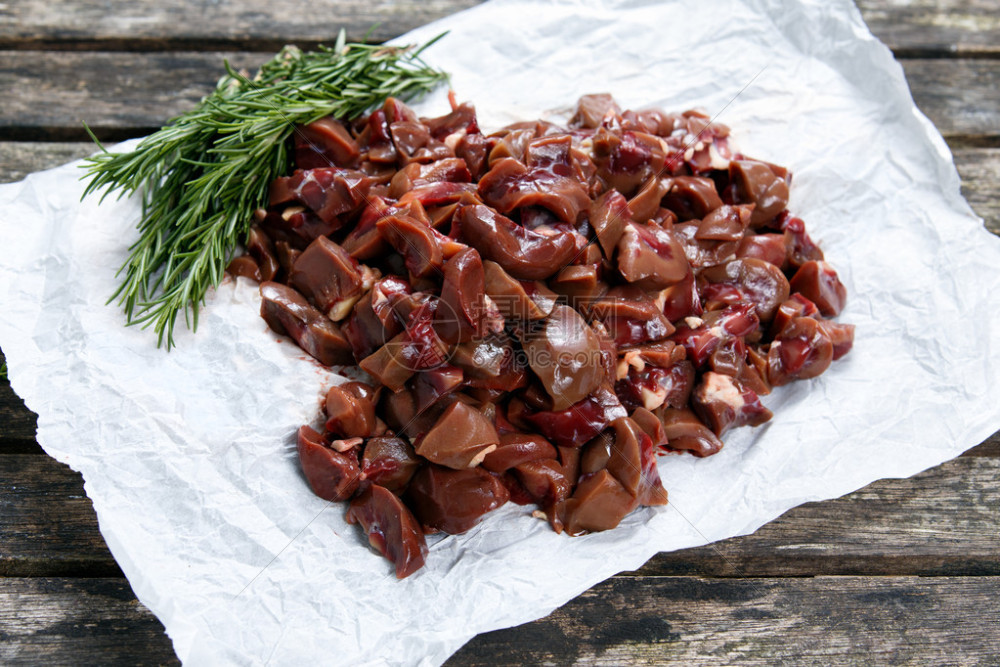
All of the insides like liver, heart, and kidneys were prepared and eaten raw, roasted, boiled, or laid out in the sun to dry.
Tripe was prepared and eaten raw or boiled, or roasted. Bone marrow that was full of fat was usually eaten raw and so were the brains.
Tongue is pretty high in fat and boiled tongue was a delicacy for American Indians and it was used in various rituals and ceremonies.
Beaver was also highly prized, especially the tail because it was rich in fat.
Bear was a sacred food and important for reproduction because bear fat is primarily composed of saturated fats that make up about 80% of its total fat content and is high in fat-soluble vitamins.
The American Indians created the first energy bars!
It appears the American Indians were the first to create a healthy protein or energy bar. Pemmican is a calorie-rich food primarily eaten by the Plains Indians and Northern Indians.
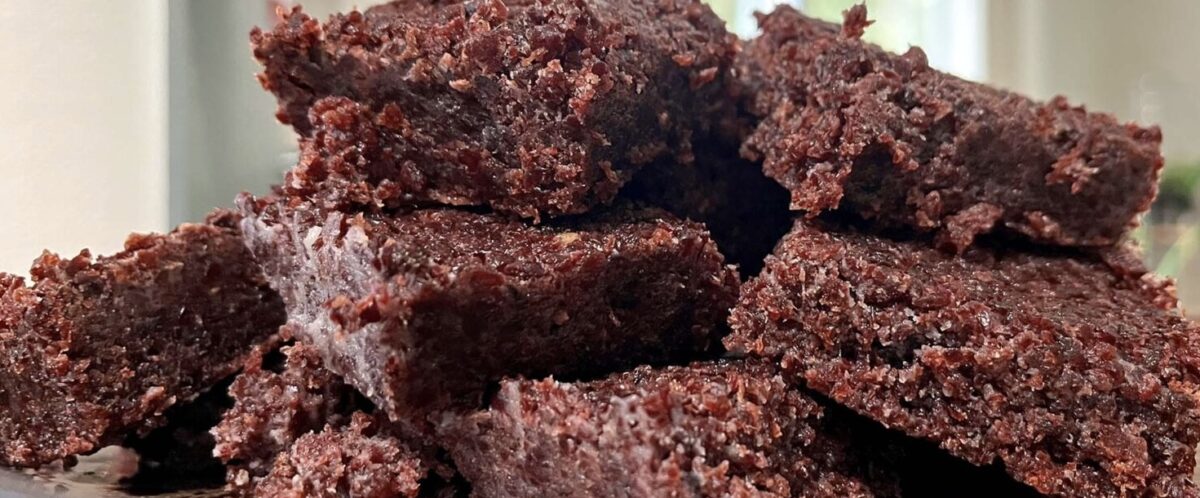
Pemmican is dried lean meat that's been pulverized and then mixed with an equal amount of rendered animal fat that was heated slowly over a fire in a pot or kettle.
Crushed dried fruit like juneberries, chokecherries, and cranberries were often added to this nutrient dense calorie-rich energy bar. Not just for flavor, but for nutrients that helped prevent the fat from going rancid.
Pemmican can be stored for long periods without the addition of salt and was the ultimate food for traveling, hunting, or surviving harsh winter months.
Ate plant foods and fermented some of their foods.
A variety of plant foods were eaten, notably corn and wild rice. The dry corn would have to go through a process called nixtamalizacion that softens the corn for use and releases vitamin B3 to help prevent pellagra.
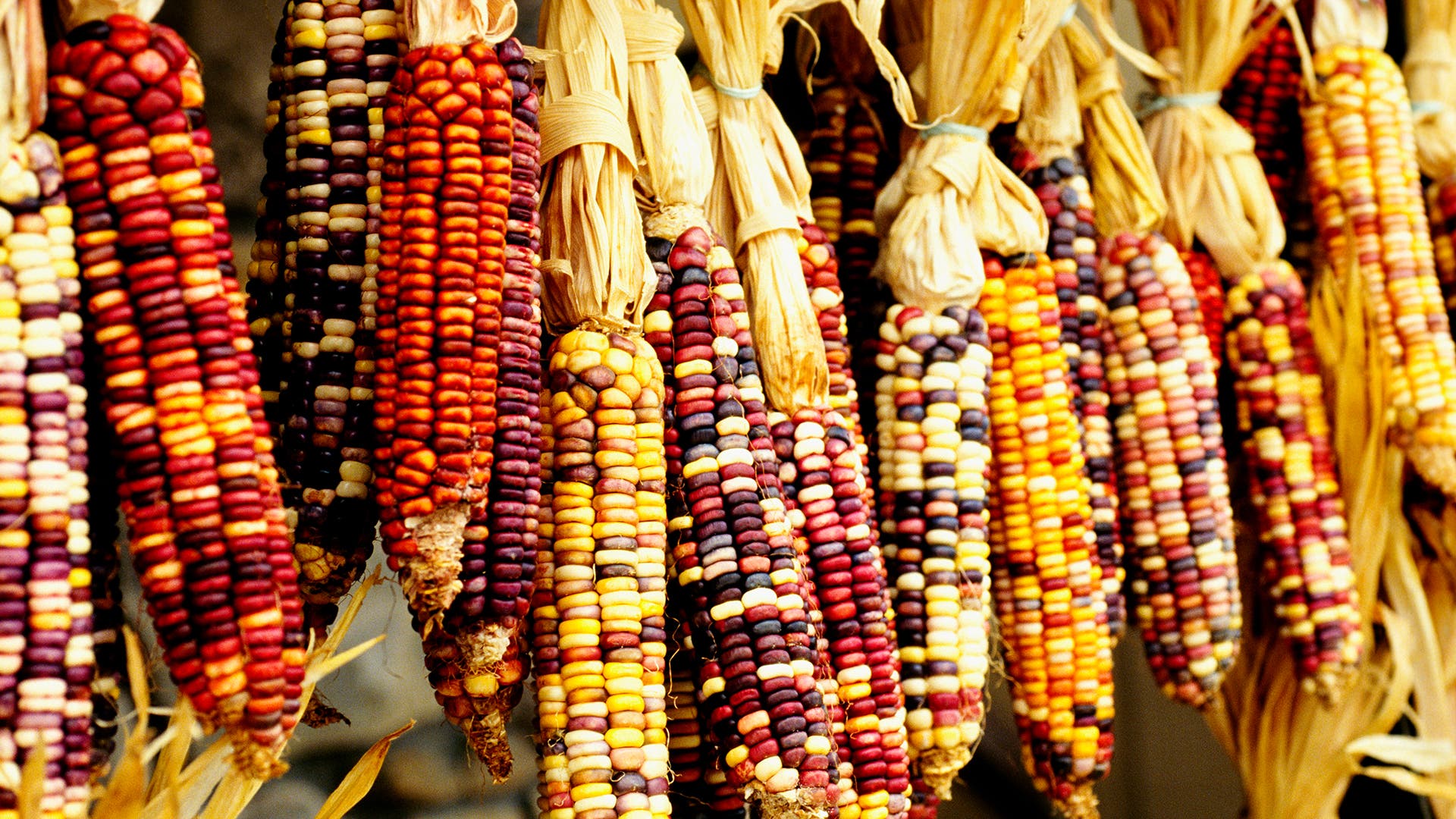
Then the resulting dough called masa could be prepared in a variety of ways to make porridges and breads that were often fried in bear fat or other fat.
Corn was an adjunct of the American Indian diet that provided important calories, but when the proportion became too high like with the Southwest Indians, tooth decay and bone problems developed.
American Indians also fermented some of their foods. The Coahuiltecan Indians set fish aside for 8 days until the larvae and other insects developed in the rotting flesh, which were consumed along with the decaying fish.
Best sources of healthy fats come from dairy foods.
Unless your Andrew Zimmern from the show Bizarre Foods, modern man has lost his taste for the type of "primitive" foods that American Indians ate.
Lets face it, once we all started to eat in a less than primitive way, modern-day illnesses that include dental caries started to show up.
Weston A. Price found only one group of modernized Indians that did not suffer from dental caries. These were students at the Mohawk Institute near the city of Brantford.
"The Institute maintained a fine dairy herd and provided fresh vegetables, whole wheat bread and limited the sugar and white flour."
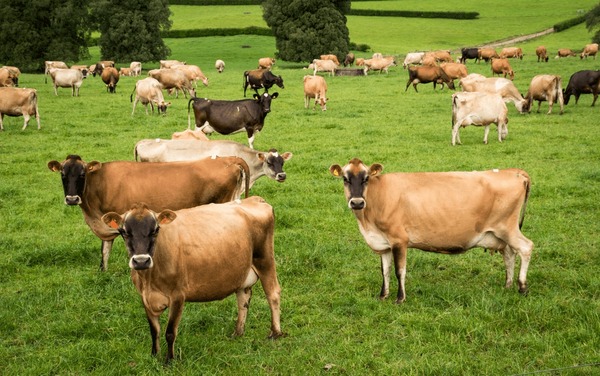
This suggests that if you want to stay healthy in our modern-day world, you could start by consuming dairy foods, which are one of the best sources of healthy fats.
If you drink raw milk from cows that graze on green pastures, this can be a substitute for the "primitive diet" that the American Indians thrived on.
Dairy foods that come from pastured cows are one of the best sources of healthy fats because they provide the fat-soluble vitamins, especially from the dairy foods highest in saturated fat like raw butter.
Animals fats, organ meats, and fats from seafood all supplied the fat-soluble vitamins A, D, and K2 that were recognized by Weston Price as the basis of a healthy "primitive" diet.
Rabbit starvation is protein poisoning!
Rabbit starvation is a condition that despite consuming adequate amounts of food you would waste away, develop unshakeable diarrhea, get splitting headaches, suffer weakness, and eventually die of starvation.
The Indians called it "rabbit starvation", French Canadian trappers called it "mal de caribou", and modern-day science classifies it as protein poisoning.

Rabbit is considered one of the leanest meats to eat and you will literally starve in a matter of weeks if that is all that you consume because protein is not a good source of energy.
You see when your body is forced to derive energy primarily from protein because of the absence of adequate amounts of fat or carbohydrate, every gram of protein must be broken down by a process callled gluconeogenesis.
Gluconeogenesis will convert amino acids into glucose for fuel for the body and this process can generate toxic ammonia as a by-product that can create many unpleasant symptoms.
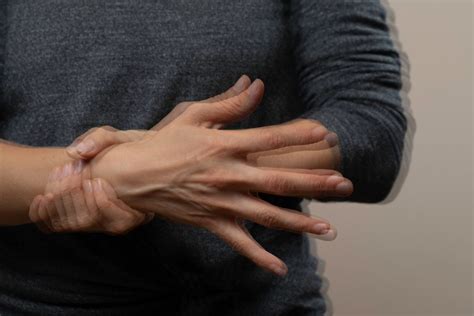
If you eat more protein than your body can safely handle, your blood will become toxic with metabolic wastes and you will likely experience vomiting, slurred speech, confusion, and involuntary jerking (asterixis).
Fats and carbohydrates do not generate these toxic by-products and tend to burn more cleanly while providing the body energy without overwhelming detoxification systems.
Keep in mind that when protein is roughly more than a third of your total calories, your liver and kidneys start losing the race to clear these wastes and symptoms of rabbit starvation may start to happen.

Symptoms of rabbit starvation: nausea, cravings for fat, ravenous hunger, low blood pressure, diarrhea, fatigue, headaches, moodiness, thinning hair, dry skin, slow heart rate, extreme weight loss, suppressed metabolism, and suppression of T3 thyroid hormone.
Basically, rabbit starvation is a severe form of malnutrition because you're not getting enough energy and nutrition from consuming too much protein.
When you have no choice or choose to consume a lot of protein for some time, you will become increasingly deficient in many nutrients.
These nutrients include very important electrolytes and minerals, fat-soluble vitamins, and healthy fats.

Traditional cultures like Northern Forest Indians that relied on hunting knew that fat was the prize and not protein. Lean meat was for the dogs!
They also preferred hunting older animals because the mature moose, caribou, and the elk built up more fat reserves for them to harvest.
A thousand pound caribou could carry 40 to 50 pounds of back fat alone with another 20 to 30 pounds of highly saturated cavity fat.
Fat contributed to about 80% of Northern Indians total calories and eating rabbit without additional fat, was considered a form of slow suicide.
A body that's flooded with protein, but starved of fat or adequate amounts of carbohydrate may not be able to generate enough energy to sustain life.
The coconut diet: the Pacific Islanders were healthy and fit.

Surprisingly, the traditional diets that were highest in saturated fats were not the diets that relied mainly on animal foods.
It was the coconut diet of the indigenous people living in the Pacific Islands that ate the highest amount of saturated fats.
Polynesian and other indigenous people of the Pacific Islands relied heavily on coconuts as a vital part of their diet. Surprisingly, this tropical fruit is the highest in saturated fats.
They utilized the saturated fat found in mature coconut meat and the water found in coconuts, which are high in electrolytes.
The indigenous Pacific Islanders were a powerfully built stock who were very healthy mainly living on coconuts, root vegetables, tropical fruit, and an abundance of seafood.
The Pacific Islanders weren't really concerned about calories and how much fat or carbs they were consuming. Isn't that a dietary no no?
Saturated fats found in coconuts produce ketones!
In general, when you consume a meal with carbohydrates and fat, insulin will be stimulated, which shifts you away from using fat for energy towards using carbohydrates.
If the carbohydrate part of your meal fills your need for energy, you would burn the carbohydrates and store the fat as adipose tissue.
If the carbohydrate part of your meal only fills half of your need for energy, some of the fat in your meal will be burned for energy.
However, certain fatty acids will be immune to these rules because of their smaller size, which are found in animal foods like butter and in the fatty acids of coconut.
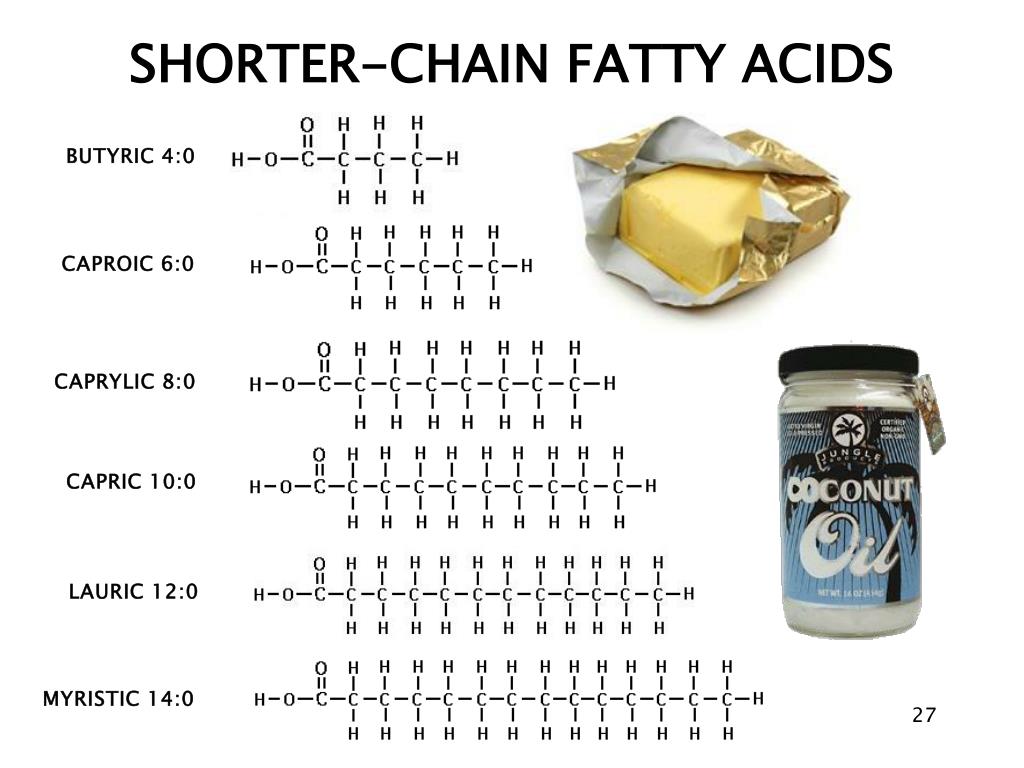
Saturated fatty acids with ten or fewer carbons will travel directly to the liver via the portal vein upon digestion, and escape the effects of insulin and the storage of fat.
Once in the liver, they can slip easily into your mitochondria and the liver converts the breakdown products of these shorter-chain fatty acids into ketones. Ketones burn fat by increasing thermogenesis and the metabolic rate.
Ketones cross the blood-brain barrier and provide an energy alternative to glucose for the brain and an aging brain, which has a marked decline in its ability to metabolize glucose.
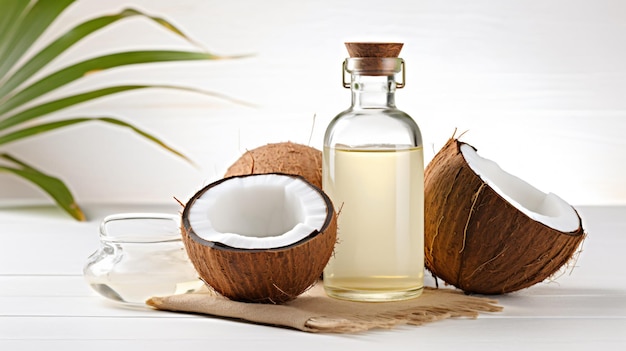
The MCFAs or medium-chain fatty acids found in coconuts (also in some dairy foods) are what can create ketones and are rapidly metabolized for energy unlike the long-chain fatty acids.
However, not all MCFAs are created equal and burn with the same efficiency rate. The C8 MCFA may have the highest ketogenic effect when compared to a C12, which is lauric acid.
Coconut oil contains about 15% MCFAs with ten or fewer carbons. MCFAs in lauric acid are about 45% that behave more like long-chain fatty acids when it comes to mitochondrial energy metabolism.
Saturated fats found in coconuts doesn't appear to cause heart disease.

The Polynesian people from the Islands of Tokelau that are tiny coral atolls in the Southern Pacific, got more than 50% of their calories from saturated fat found in coconuts and there was no evidence of heart disease.
Diet of Tokelauans is remarkable because it contains the highest recorded consumption of saturated fat in the world. Over four times the average consumption in America!!
Another big factor that explains why the Polynesians were so healthy was the presence of fish abundant in minerals and omega 3 fatty acids. And a lot of sunshine!
Best sources of healthy fats came from coconuts and seafood for Pacific Islanders.
The best sources of healthy fats for Pacific Islanders came from coconuts and seafood high in omega 3 fatty acids that came from the Pacific ocean.
Coincidentally, consuming adequate amounts of omega 3s from seafood also enhanced energy production for the Pacific Islanders.
Omega 3's from seafood are essential for maintaining the integrity of your mitochondrial membranes and reducing inflammation that enhances your overall cellular function.
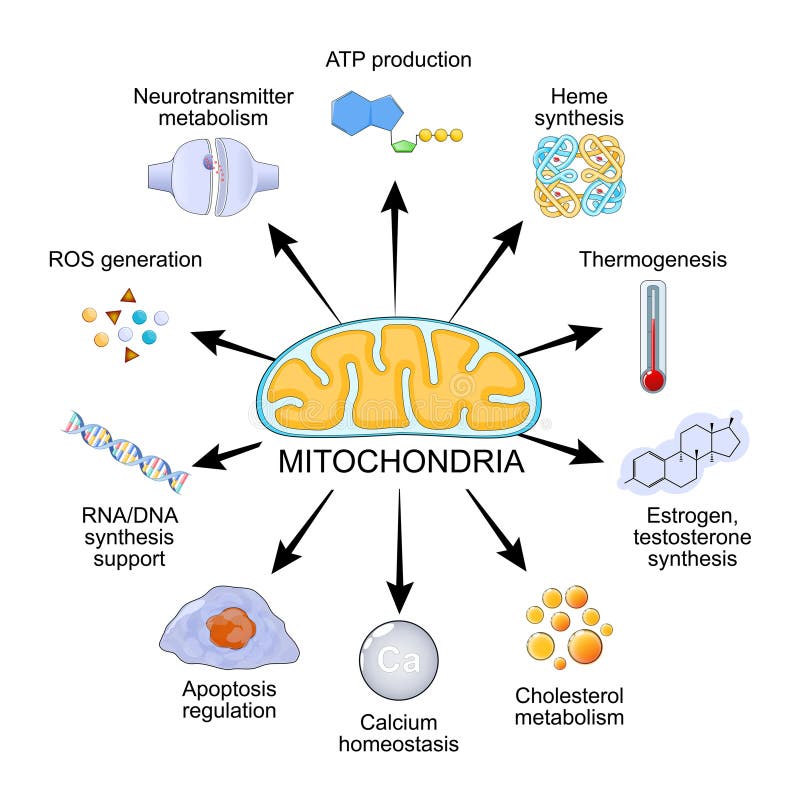
Omega 3 fatty acids contribute to the fluidity of mitochondrial membranes, which allows for better energy production and much more.
Unfortunately, the American diet may contain 20 or more times the amount of Omega 6 fatty acids to Omega 3's, which will cause an Omega 3 deficiency.
The symptoms of Omega 3 deficiency: Poor circulation, High triglycerides, Insulin resistance, Poor memory, Allergies, Bumpy skin, Fatigue, Dry hair, Irritability, Brittle nails, Dry eyes, Mood swings, Hyperactivity, Poor wound healing, Learning disorders, Growth retardation, and Tissue inflammation.
Pacific Islanders had Great bone density and health!
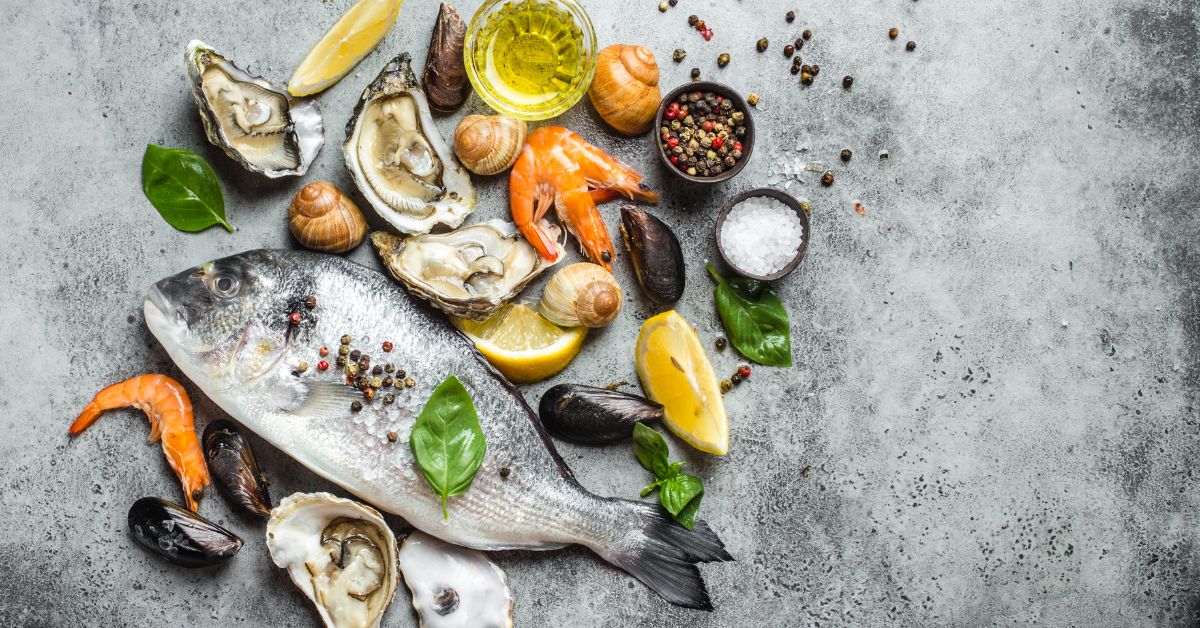
It baffles my mind that Pacific Islanders stayed so strong without dairy foods, but omega 3's can increase bone-building cell activity and reduce activity of bone breakdown cells.
The omega 3's are also known to prevent coronary heart disease because they reduce triglycerides, slow build-up of arterial plaque, help with blood pressure, and reduce inflammation.
In the 1990s, Dr. Lindeberg did the Kitava study, which documented striking health among the islanders of Kitava, which is one of the Trobriand Islands in the Solomon Sea that is part of the Pacific Ocean.

The diet of the Kitavans was illuminating because the total fat content of the Kitava diet was very low by American standards.
However, the percentage of the total calories derived from saturated fat was 50% greater than the American diet.
After studying about 500 households and more than a thousand subjects, not a single case of stroke or heart disease was found.
The Kitavan diet is high in saturated fat and carbs!

The Kitavan diet is a traditional Melanesian way of eating that will have most people scratching their heads in disbelief.
That's because the Kitavans have a unique micro-nutrient profile that will challenge most people's nutritional belief systems including my own.
While people in the US are bickering over low carb versus low fat approaches, the Kitavan diet is high in both carbohydrates and in saturated fat.
Almost absent from the Kitavan diet was grains, refined sugars, processed foods, dairy foods, and vegetable oils. Kitavans also had a very low salt intake.
Kitavans were able to avoid the metabolic diseases commonly found in the modern-day world such as diabetes, obesity, and heart disease. Also, acne was pretty much non-existent.
Carbohydrates comprise about 70% of total calories, which will come from tropical fruit and tubers like yams, sweet potato, cassava, and taro.
Kitavans also consumed leafy vegetables and other locally grown produce.
Fats made up about 20 to 21% of calories consumed, with a high proportion of saturated fat coming from coconuts.
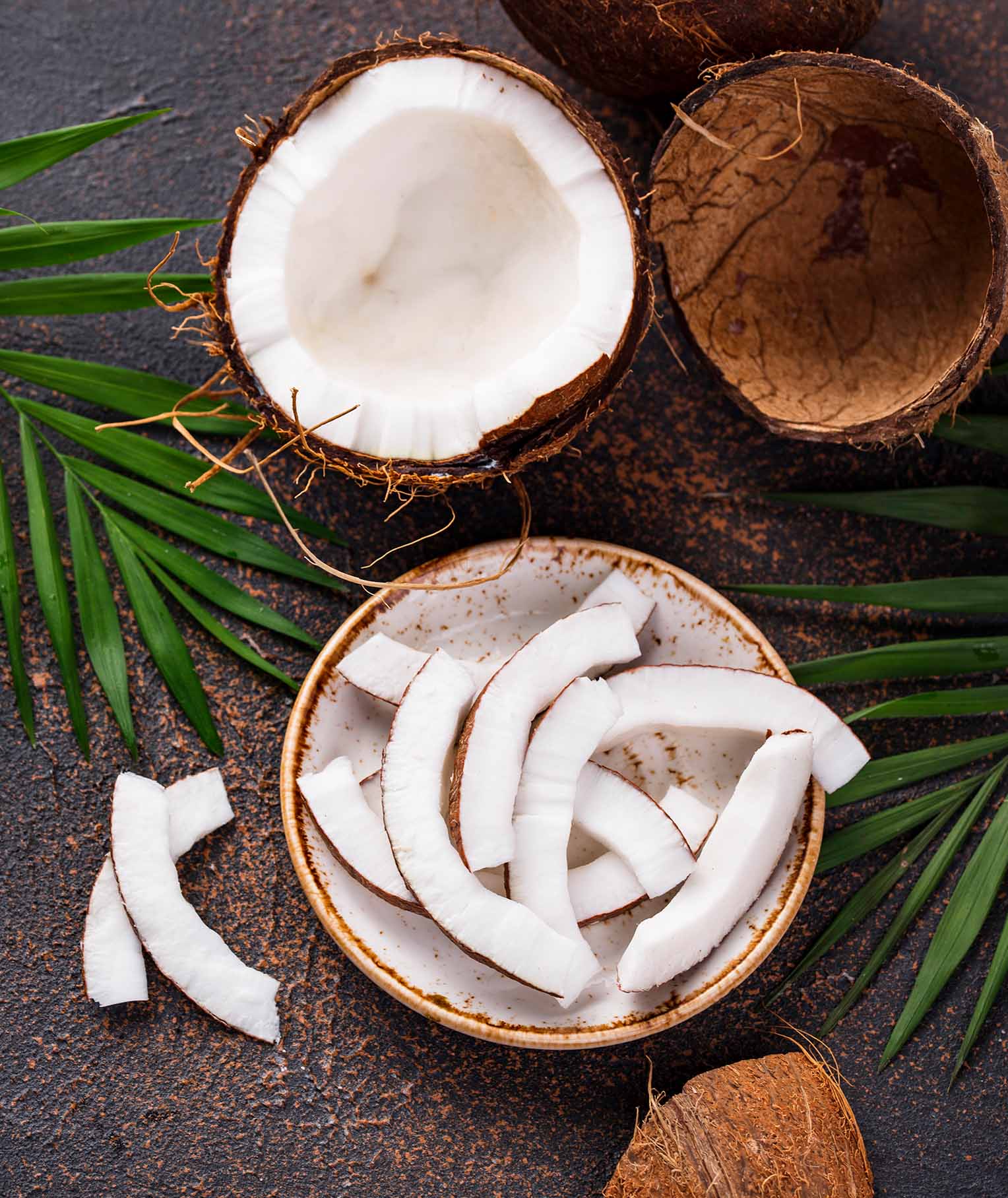
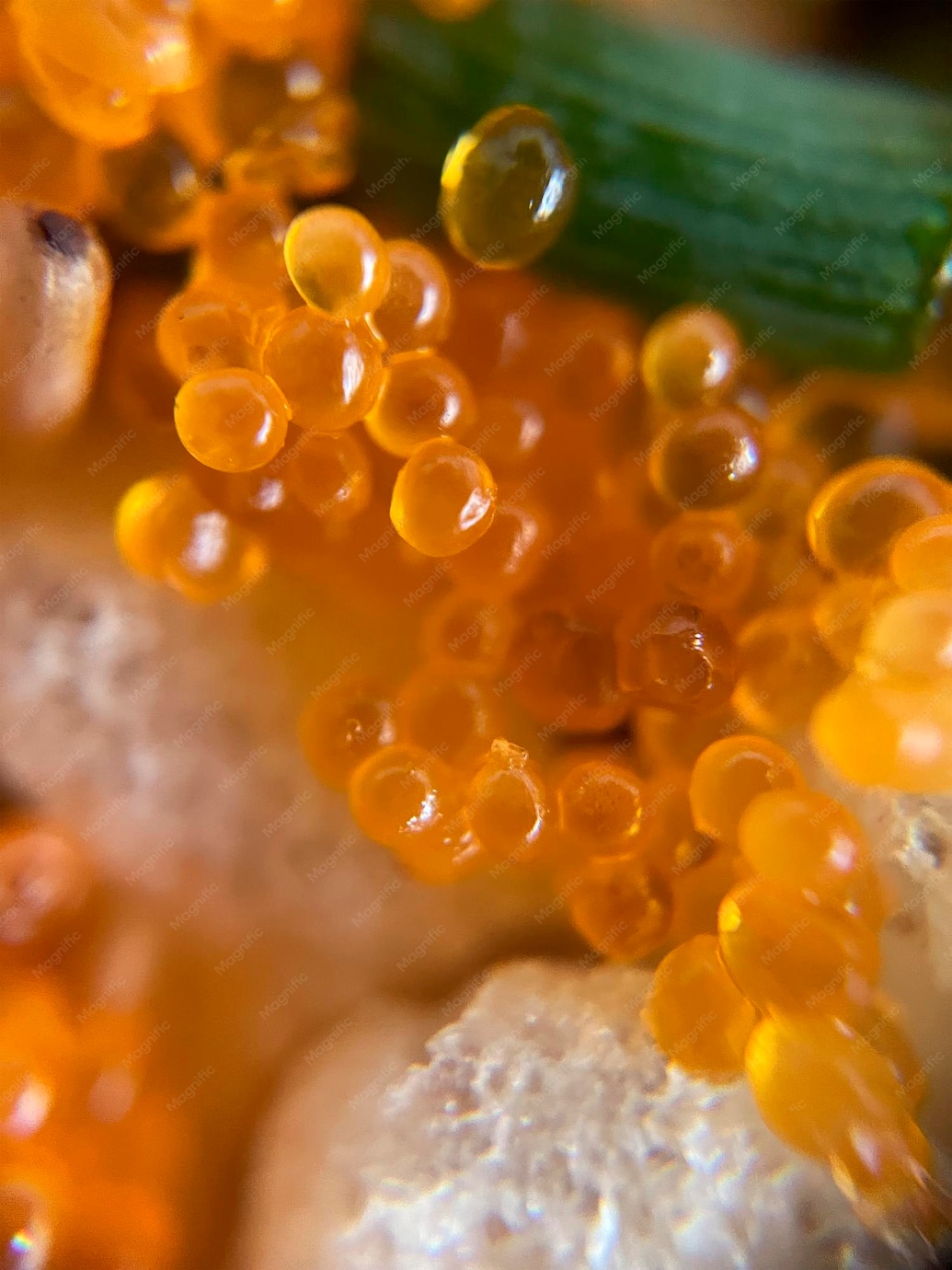
The fat profile of the Kitavan diet also included a high ratio of omega 3's to omega 6 fatty acids due to seafood consumption. Kitavans ate shellfish and ate the whole fish including the fish eggs, which are great sources of sacred fats.
Sacred fats contain the fat-soluble vitamins A, D, and K2 and the MCFAs found in coconuts enhance the absorption of these fat-soluble vitamins.
Shockingly, protein makes up about only 10% of their total calories, which is mainly from fish consumption.
Keep in mind that the Kitavans were consuming fresh whole foods that were eaten raw or minimally cooked.
The best sources of healthy fats: think about eating them raw.
In the book, We Want to Live, Aajonus wrote, "If fats are heated above 104 degrees F, they are rarely digested, assimilated or utilized properly."
Aajonus also wrote, "Because fat cleanses, fuels, lubricates and protects the body, it is needed more than any other single nutrient - that is, more than protein, sugar and starch."
"Fat is a necessary catalyst for utilizing minerals and protein. That is why a diet resplendent in raw fat is so important to excellent health."
Aajonus also mentioned in passing that he made a big effort to see a tribe somewhere in the Pacific and that they were the healthiest people he had ever seen.
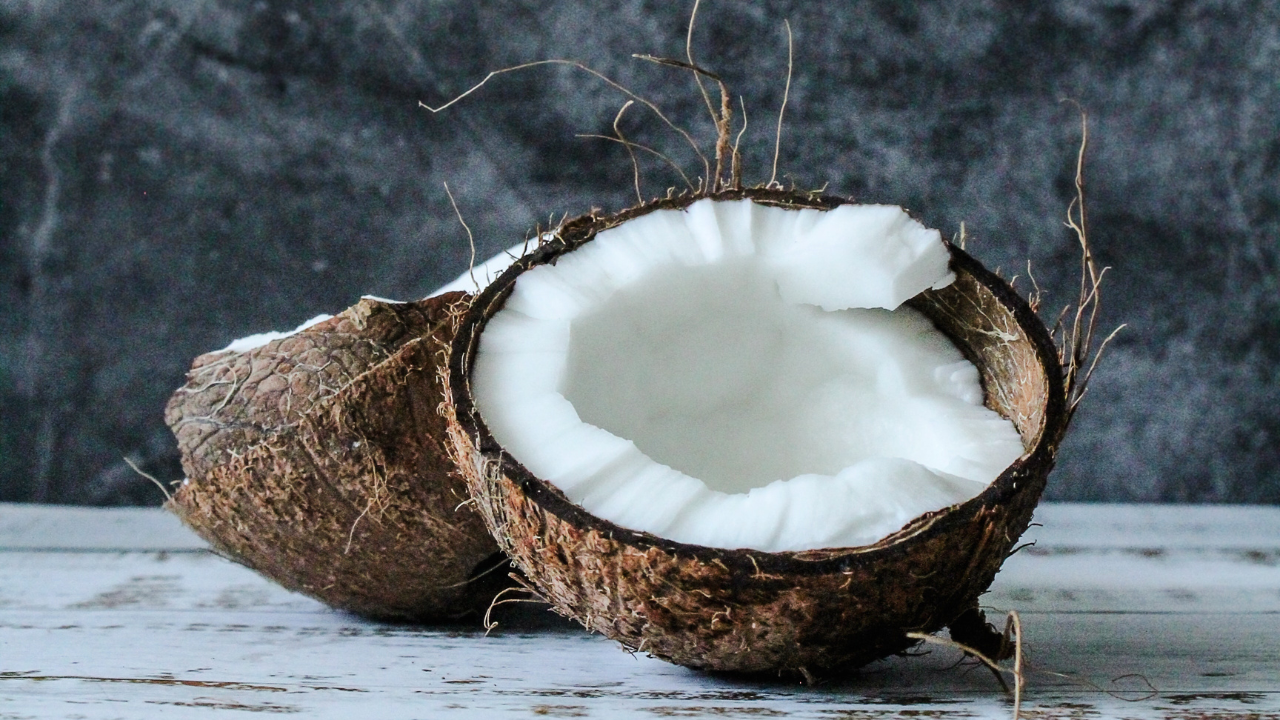
Well they were on a coconut diet! The men ate about 3/4 of a raw mature coconut every day and women ate about 1/2 a coconut.
They also ate raw fish daily and about twice a week ate a banana or mango. Once in a while, they ate some raw pork from hunting a wild pig.
He mentioned that an 80 year old looked like someone in their late 30's. And they had perfectly thick white teeth with no cavities.
The best sources of healthy fats can help you get out of your dietary prison.

If your diet is too high in protein, you'll put yourself into a metabolic prison, that'll use protein for energy and not for body building.
Because your body will turn protein into sugar or fat, which is an exhausting process for the body.
The best sources of healthy fats can improve your health and get you out of this dietary prison.
Remember, your body needs the best sources of healthy fats to be able to utilize protein and the minerals in your diet in order to build a strong body like the American Indians and Pacific Islanders.
Also, insulin promotes protein synthesis and suppresses the conversion of protein into sugar, so having some healthy carbs can actually help to build your body as well.
I highly recommend you learn how to make coconut cream, which you can use in your ceviches, smoothies, desserts, and you can even add this unique ketone-producing saturated fat to a beef stew or to your favorite soups.
Keep in mind, fats in their raw state are much more digestible. Fats that are cooked, pasteurized, or homogenized can create health problems.
A fat deficiency could result from either not eating enough fat or lacking the enzymes needed to digest, assimilate, and utilize cooked fats, which could lead to cellular membrane malfunction.
- Home
- Nutrient Dense Foods
- Best Sources of Healthy Fats
Resources
1. Guts and Grease: The Diet of Native Americans, January 1, 2000, By Sally Fallon and Mary G. Enig, PhD, https://www.westonaprice.org/health-topics/traditional-diets/guts-and-grease-the-diet-of-native-americans/#gsc.tab=0
2. Saturated Fat Does a Body Good, May 6, 2016, By Christopher MasterJohn, https://www.westonaprice.org/health-topics/abcs-of-nutrition/saturated-fat-body-good/#gsc.tab=0
3. Rabbit Starvation: Can “Too Much Protein” Kill You?, June 11, 2024, By Marty Kendall, https://optimisingnutrition.com/rabbit-starvation/
4. The Forgotten History Of Rabbit Starvation, December 14, 2025, By Sama Hoole, https://jointheruminati.com/protein-poisoning/
5. A Complete Guide to Traditional Pemmican Making, September 25, 2025, https://eathealthy365.com/a-complete-guide-to-traditional-pemmican-making/
6. Overview of Medium Chain Fatty Acids (MCFAs), https://lipidomics.creative-proteomics.com/resource/overview-of-medium-chain-fatty-acids.htm
7. The Lean, Thriving People Who Primarily Eat Carbohydrate, Sugar, Fat, Saturated Fat, Flesh, and Guts, By Jason Gootman, https://puvema.com/the-lean-thriving-people-who-primarily-eat-carbohydrate-sugar-fat-saturated-fat-flesh-and-guts/
8. Coconuts, Cholesterol, and Heart Health: What a Study on Polynesian Atolls Reveals, By Dr. Ravi Kumar MD, https://drkumardiscovery.com/posts/coconut-cholesterol-study/
9. We Want To Live by Aajonus Vonderplanitz, Published by Carnelian Bay Castle Press
10. Your Body is Turning Protein into FAT (Here's Why), Dr. Robert Cywes M.D. Ph.D, https://www.youtube.com/watch?v=MCLeZ1crBKI
Recent Articles


-
Advanced glycation end products: glycation, effects of, low AGEs diet.
Sep 03, 26 04:13 PM
 AGEs is short for advanced glycation end products that is an ominous warning because that's exactly what they'll do - they AGE you!!
 -
Reasons why you need protein: deficiency, God code & building blocks.
Aug 30, 26 03:49 PM
 Why you need protein is a vast subject. Basically, you need protein to maintain your body and to build new proteins that will help you to evolve.
 -
Best sources of healthy fats: saturated fats and rabbit starvation.
Aug 17, 26 04:38 PM
 The best sources of healthy fats will surprisingly be found in a tropical fruit, seafood, and in the fat of animal foods.