What are low carb diets: the guidelines, health benefits, leptin resistance, and deuterium.
What are low carb diets? Basically, low carb diets put a restriction on the amount of carbohydrates that you'll consume in a day.
Instead, low carb diets will focus more on healthy fats and protein to make up the majority of calories consumed.
One of the guidelines of low carb diets is that you can't consume more than 130 grams of carbohydrates per day.
However, the amount of carbohydrates you will consume depends on the type of low carb diet you choose or the amount that works best for your body.
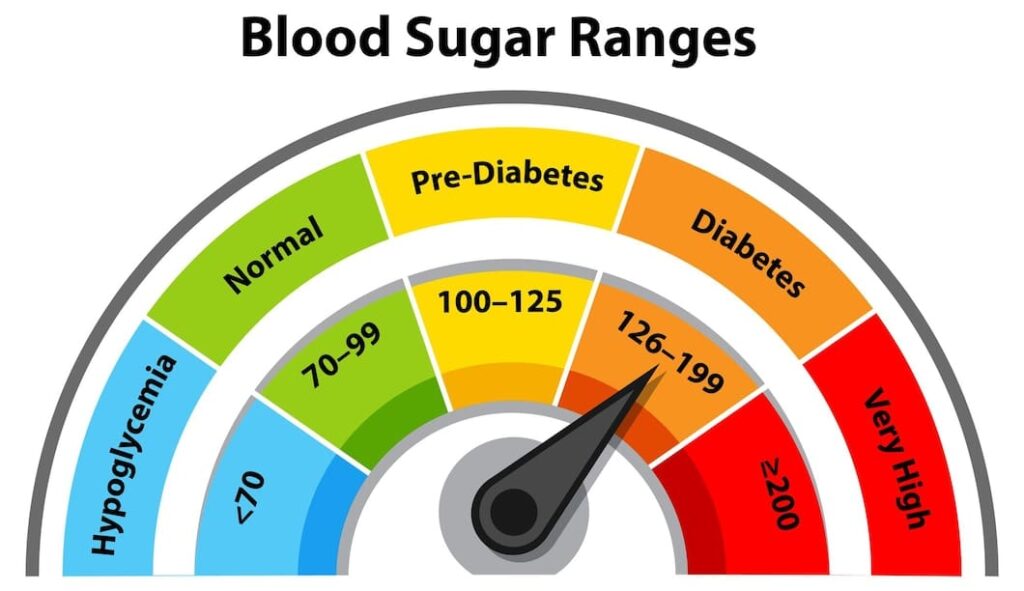
What are low carb diets health benefits? Many people go on a low carb diet to control their high blood sugar level that can lead to diabetes, weight gain, and other metabolic issues.
The two most popular low carb diets are the carnivore and ketogenic diet, which really restricts the amount of carbs you can have in a day, but helps with leptin resistance.
Another health benefit from being on a low carb diet is that you can lower deuterium in your body. Find out what are low carb diets effect on the heavier hydrogen.
You will also learn interesting insights on salt, which include bad and good news. Salt is doing something other than what most people think especially when it comes to deuterium.
The guidelines: different ways to do a low carb diet.
There are many ways to do a low carb diet, but consuming fewer than 130 grams of carbohydrates is what are low carb diets limit on the amount of carbs you can consume in one day.
A low carb diet focuses more on healthy fats and protein rather than carbs.
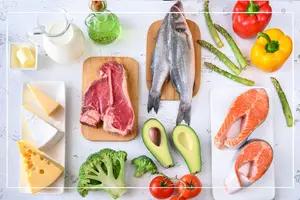
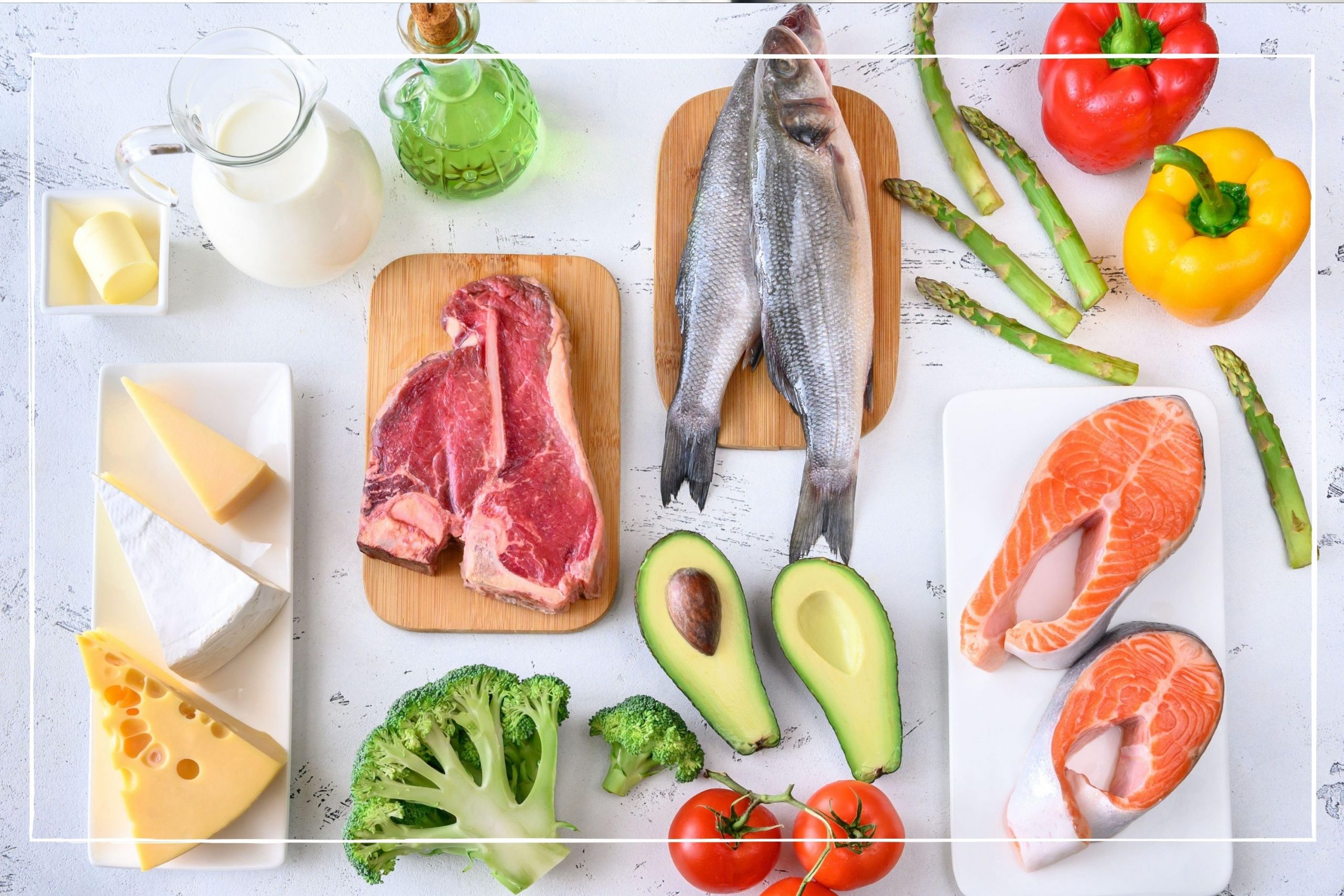
What are low carb diets food choices? Actually, there are many choices you could make when creating a low carb diet.
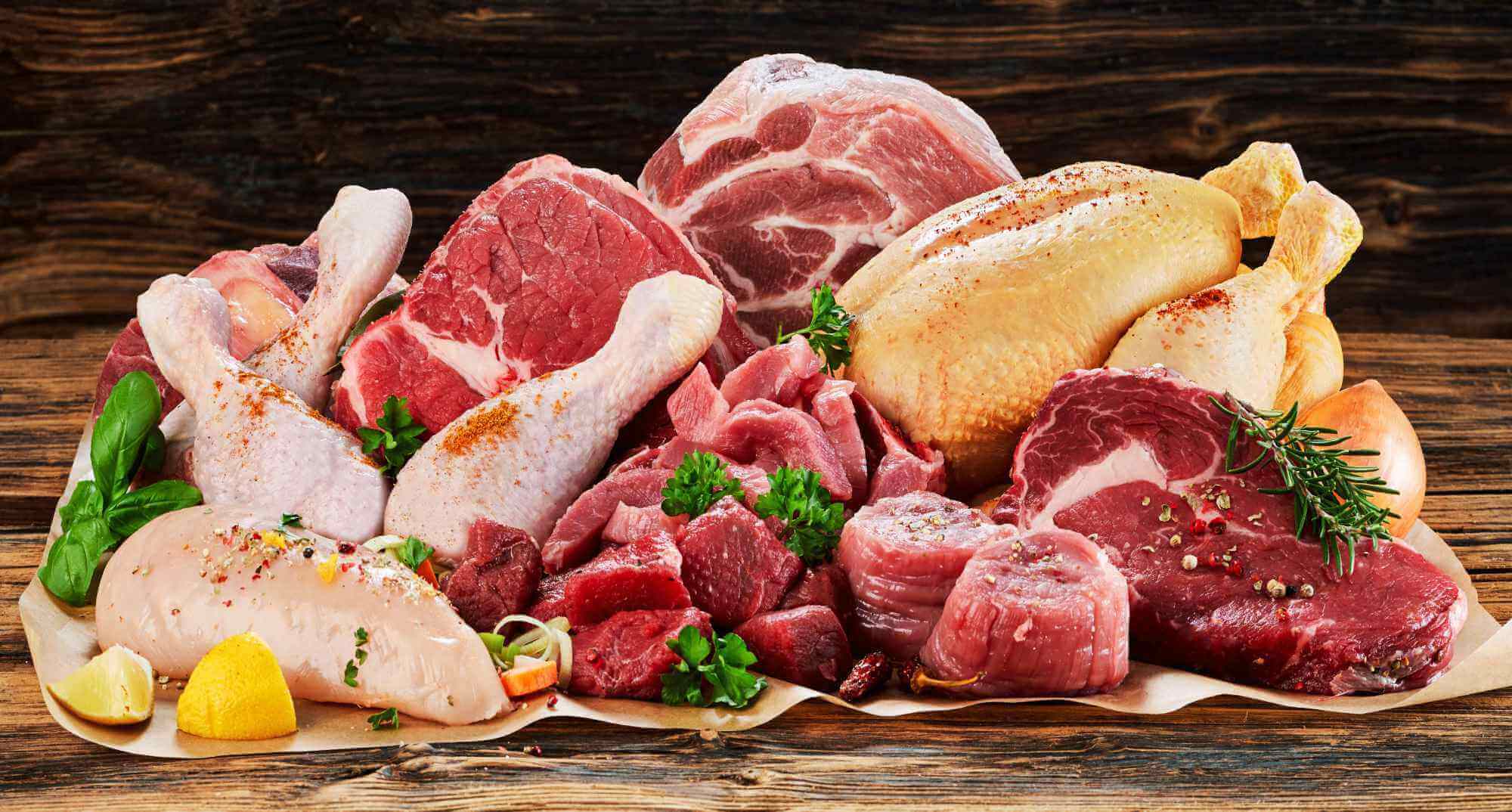
Animal proteins like chicken, turkey, duck, lamb, beef, organ meats, wild game, pork, and poultry eggs.
Seafood like tuna, mahi mahi, swordfish, halibut, cod, mackerel, sardines, haddock, tobiko, squid, oysters, clams, mussels, crab, lobster, and shrimp.
Freshwater fish like trout, salmon, walleye, crappie, bass, Northern pike, and bluegill.
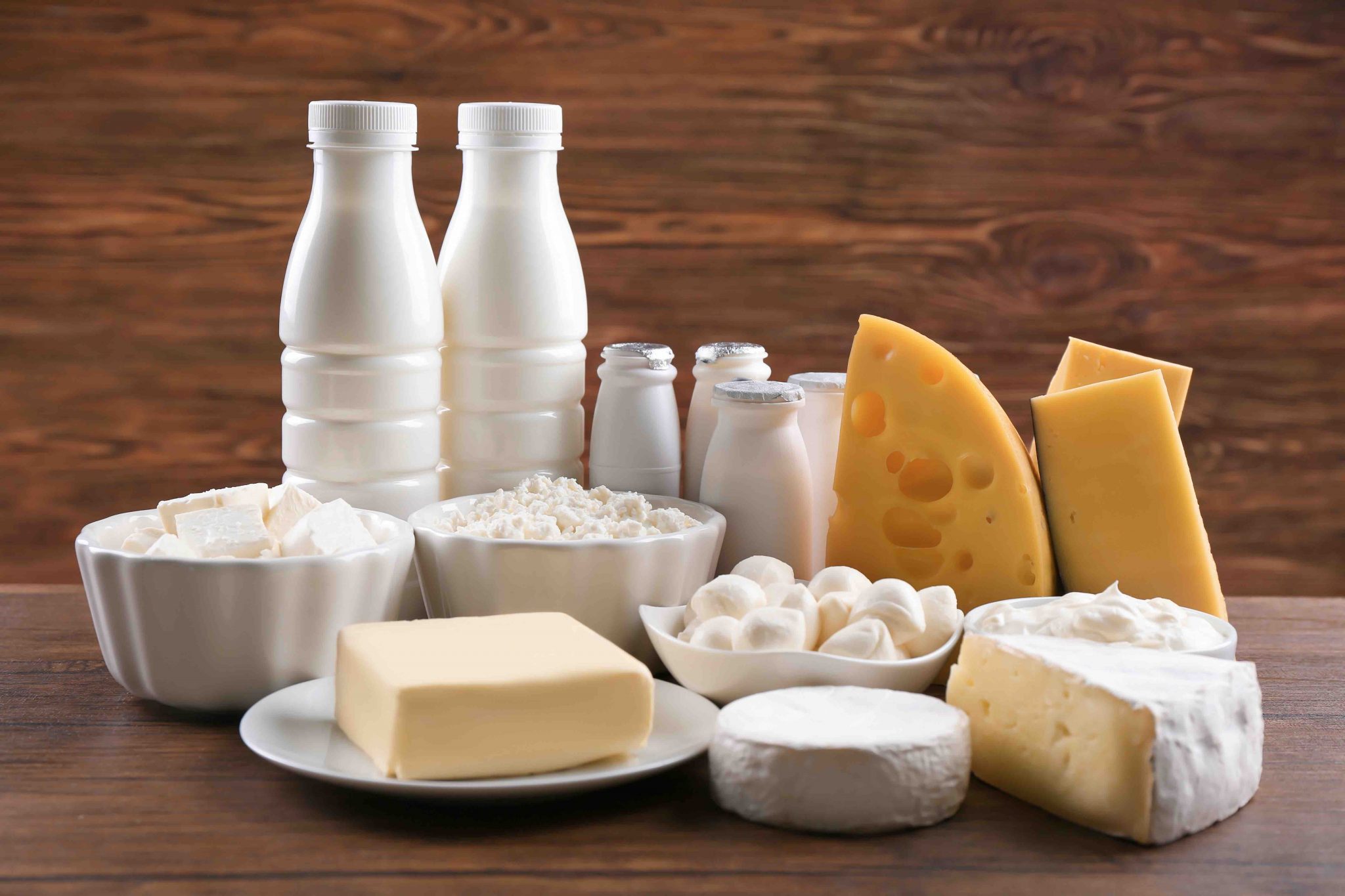
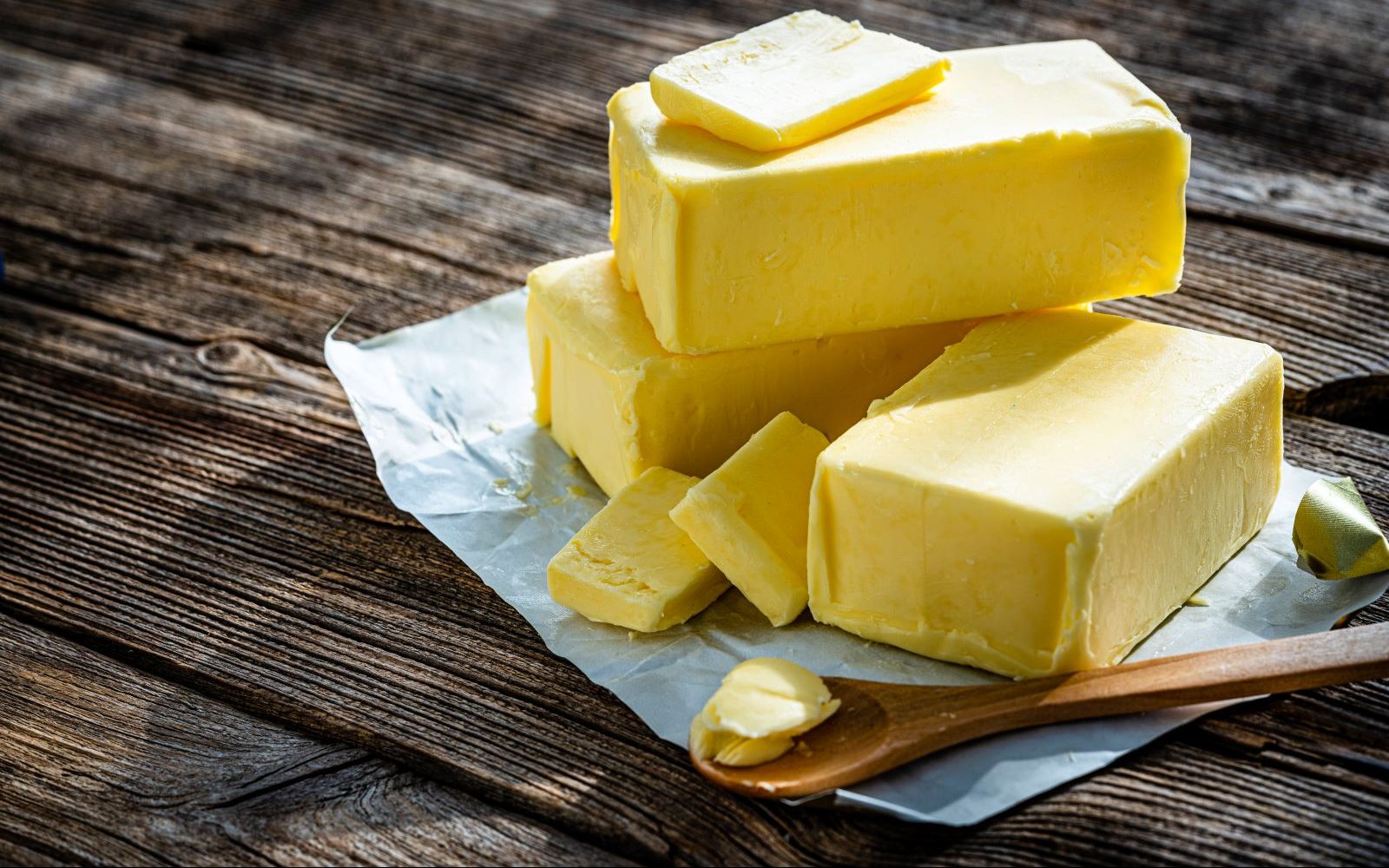
Dairy foods like butter, cream, ghee, raw whole milk, yogurt, hard cheese, sour cream, cream cheese, cottage cheese, and kefir.
Other fats and oils like raw coconut cream, lard, beef tallow, duck tallow, chicken fat or schmaltz, real extra virgin olive oil, cold-pressed flax seed oil, extra virgin coconut oil, and palm kernel oil.
Nuts and seeds like macadamia nuts, pecans, walnuts, brazil nuts, almonds, hazelnuts, nut butters, flax seeds, chia seeds, and sunflower seeds.
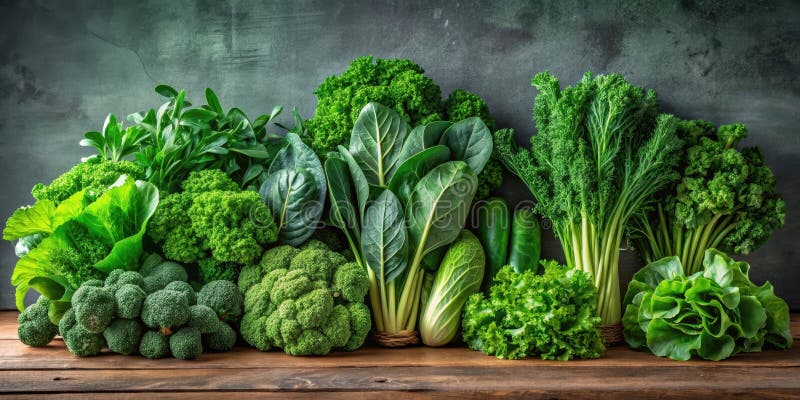
Non-starchy vegetables like leafy greens, broccoli, kale, broccolini, brussel sprouts, watercress, cauliflower, cabbages, artichokes, asparagus, kohlrabi, turnips, radishes, celery, carrots, beets, garlic, onions, green onions, shallots, green beans, and ginger.
Herbs like rosemary, basil, cilantro, parsley, marjoram, tarragon, thyme, sage, dill, oregano, shiso, chervil, chives, lemongrass, arugula, fennel, and mint.

Low carb fruits like heirloom tomatoes, eggplants, cucumber, hot peppers, sweet peppers, zucchini, avocado, lemons, limes, blackberries, raspberries, strawberries, and coconut meat.
What are low carb diets "occasional" carbs? Low carb diets allow for the limited consumption of legumes, starchier vegetables, and fruits.
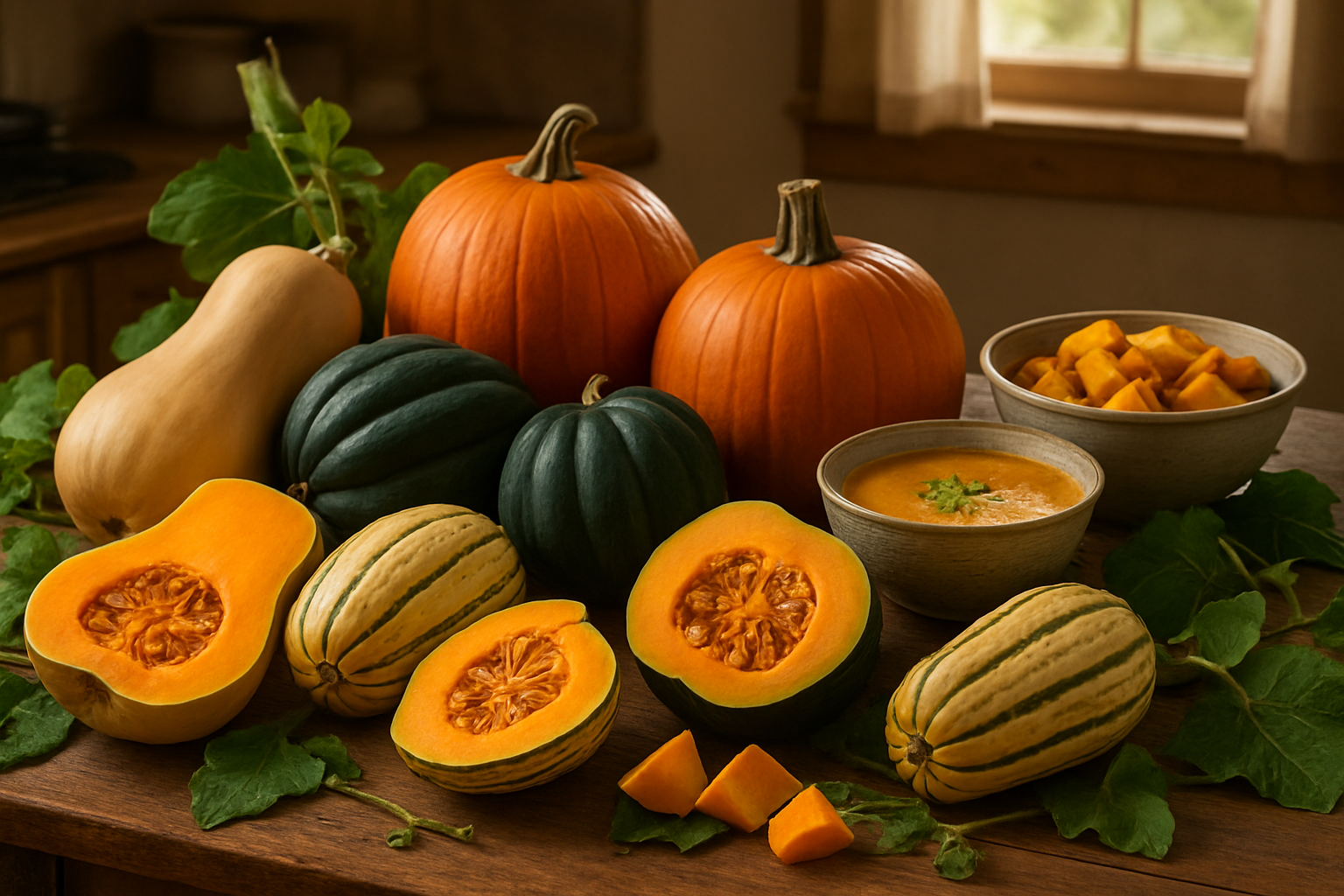
Occasional carbs like beans, lentils, green peas, butternut squash, delicata squash, unripe bananas, acorn squash, and pumpkins.
This isn't a complete list of the foods you can eat, but it will give you a good idea of what you can eat on a low carb diet.
Presently, two of the most popular low carb diets are the carnivore and ketogenic diet, which are both relatively low in carbs.
What are low carb diets: the carnivore diet.
The carnivore diet is a highly restrictive low carb diet that focuses only on animal-based foods, which people use as an elimination type of diet because of having food allergies.
This restrictive low carb diet can also be referred to as a "zero carb" diet because it excludes all plant-based foods, which are the primary sources of carbs.
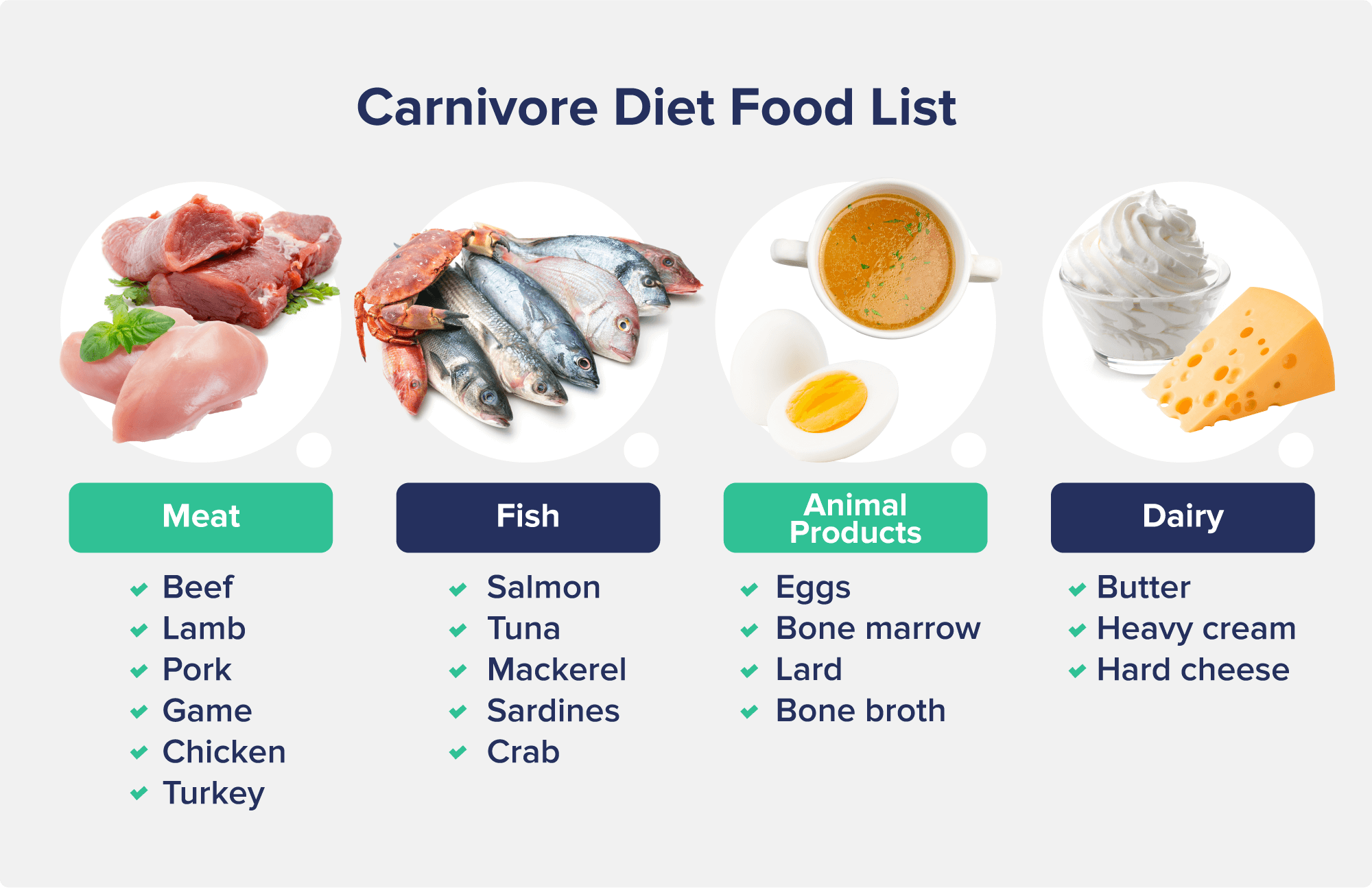
This means that if you decide to follow this low carb diet, you will consume meats, seafood, eggs, some dairy, and animal based food products while you avoid all of the plant-based foods.
The carnivore diet is very low in carbohydrates that often leads to ketosis, but not all versions of the carnivore diet guarantee being in a ketogenic state.
What are low carb diets: the ketogenic diet.
The ketogenic diet is a high fat, low carb diet that aims to induce a metabolic state called ketosis, where your body will burn fat for fuel instead of glucose.
This low carb diet usually restricts carbohydrate intake to 20 and no more than 50 grams per day, which allows the body to produce ketones from fat for energy.
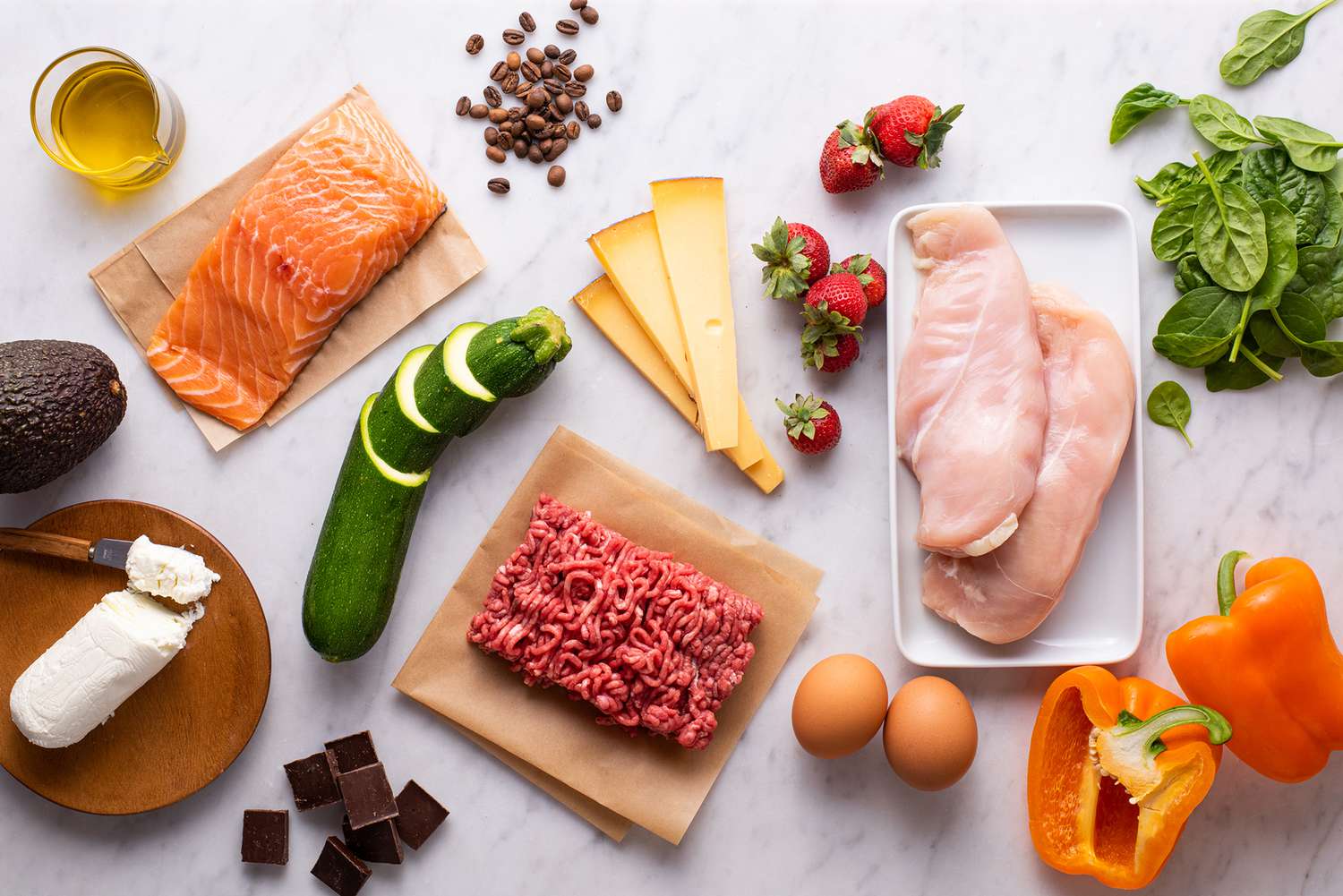
The ketogenic diet is a low carb diet that allows certain plant foods like low carb fruits, non-starchy vegetables, herbs, nuts, and seeds while focusing on a good amount of animal foods preferably high in fat.
On the ketogenic diet you will have access to a wide range of animal meats, seafood, eggs, and even dairy foods. There are a few versions of the ketogenic diet, but all restrict carbs to less than 50 grams per day.
What are low carb diets: the indigenous low carb diets.
The Maasai or Masai diet focuses on consuming milk, meat and blood from their cows, which is an unusual animal based low carb diet.
The average warrior drinks about 3 - 5 quarts of raw whole milk per day.

The Masai prize saturated animal fat above all else and consume a whooping 66% of their total caloric intake from animal fats and consume about 17% in carbs primarily from nutrient dense dairy.
Not only do the Masai have lower cholesterol than people in the Western world, but they do not suffer from any metabolic diseases.
The Inuit diet mainly consists of fish, marine mammals, and land animals like caribou. The Inuit get close to 70 - 80% of their total calories from fat.

Because they live in very harsh and cold climates, they do not have access to many plant foods. Therefore, their diet may be considered a carnivore diet that is also ketogenic.
Both the traditional indigenous Masai and Inuit do not eat any processed foods nor do they salt their foods. And they did not suffer from modern-day metabolic diseases.
There are many indigenous low carb diets that will vary based on the region and the available resources that were used to create their diets.
What are low carb diets: the raw primal diet.
The raw primal diet emphasizes that food in its natural state is the most nutritious and aims to replicate the diets of our primitive ancestors.
This diet focuses on consuming raw and unprocessed foods such as raw meats, raw dairy, raw eggs, raw seafood, raw honey, some raw fruits, and vegetables mainly in the form of green juice.
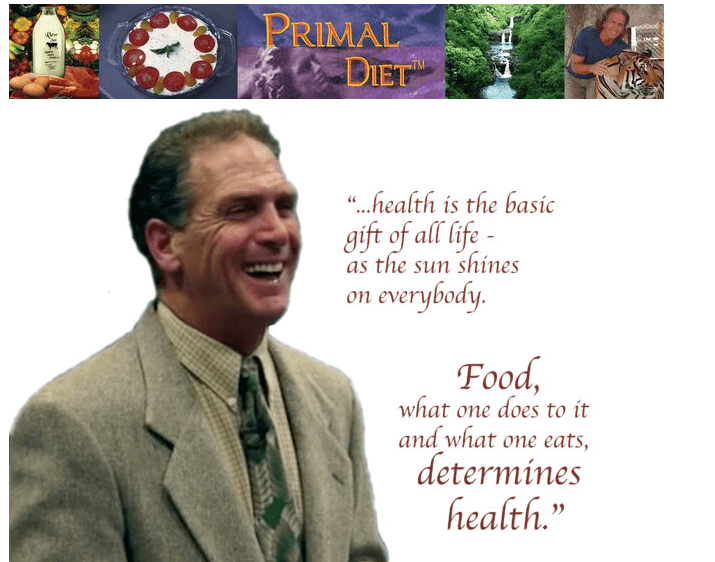
This way of eating was made popular by Aajonus Vonderplanitz, who was the Jesus of nutrition because he was also persecuted by the establishment.
The belief behind his diet is that cooking destroys critical components of food. Heat will denature enzymes, degrades heat-sensitive vitamins, and wipes out beneficial bacteria that supports gut health.
Consuming salt was frowned upon because he believed salt was very toxic and linked to almost every disease. He also believed eating healthy raw fats was very important to staying healthy in our modern-day world.
What are low carb diets health benefits?
What are low carb diets health benefits? Studies show that low carb diets can result in weight loss and improved health markers that include lower triglyceride levels, increased good cholesterol, and improved blood sugar.
When you avoid consuming a lot of sugar and starches, blood sugar tends to stabilize and the levels of the fat-storing hormone insulin will drop, which makes it easier to burn fat stores in your body.
In addition, a higher fat and protein intake makes you feel more satiated for a longer time, which reduces food intake that will lead to weight loss.
Many report improved focus and mental clarity when following a low carb diet along with reducing the level of inflammation.
Low carb diets can also help to eliminate hunger pangs because they can activate leptin that is a hormone often referred to as the "satiety hormone".
Leptin resistance: different causes of this metabolic disorder.
Leptin is a hormone that is made mostly from your fat cells, which helps to control hunger and energy balance by telling your brain when you're full.
Leptin is a big marker on how your brain is perceiving it's energy status with the calories you eat and burn, as well as how much fat gets stored.
Leptin is very important because it's involved with metabolism, endocrine regulation, energy homeostasis, and reproductive functions or fertility.

Leptin plays an important role in regulation of the thyroid gland, adrenal glands, and growth hormone production.
When you are low in leptin, your brain will downregulate the TSH thyroid hormone, body repairs, and reproductive hormones because it believes it's in a time of scarcity and will try to conserve energy.
If the brain perceives it's a time of scarcity, you may feel more anxiety and may be prone to panic attacks. Insulin will drive up leptin levels, so this may be the reason people crave carbs.
Leptin is an essential hormone and leptin levels will fluctuate depending on your current weight and percentage of body fat. Leptin will usually increase during weight gain and decrease during weight loss.
Leptin resistance occurs when your brain does not respond effectively to leptin signals, despite having high levels of this hormone and fat in your body.
When your brain or the hypothalamus to be more exact does not know the energy status of the body, it will increase the hunger signal.
Also, inflammation and its consequences will decrease leptin sensitivity in the hypothalamus, which is also the receiver of light signals.

When sunlight enters your eyes, it communicates to the master circadian clock that influences your metabolism along with leptin.
High insulin levels compete with leptin being able to dock on its receptor in the hypothalamus. If you have insulin resistance, you most likely will have leptin resistance.
Consuming a diet of nutrient dense foods that support healthy blood sugar levels, healthy triglycerides, and satiety should help support the right leptin signaling to your hypothalamus.
BTW, heavy metals and other toxins can also impair your leptin receptors.
Emerging evidence seems to indicate that salt overconsumption is not only linked to creating hypertension because of water retention, but it can also be associated with metabolic disorders like leptin resistance.
It has been reported that salt can induce thermogenesis and increase your body temperature that leads to an increase in energy expenditure.
While this result could be viewed as a positive metabolic effect because it will promote a negative energy balance to combat obesity, caution must be taken with this frame of thinking.
That's because a high salt intake can decrease the prevalence of beneficial gut microbes, induce overproduction of fructose, reduce GLP-1, and could result in ghrelin overproduction.
Ghrelin is called the "hunger hormone" because it increases the drive to eat. A high salt intake may eventually impact your metabolism and may create insulin and leptin resistance.
New research suggests that elevated deuterium may interfere with leptin signaling pathways, potentially creating metabolic disorders such as leptin resistance and insulin resistance.
Deuterium: best ways to deplete deuterium in the body.
Why does the level of deuterium matter? Deuterium can effect efficiency of ATP production through the metabolic pathways.
Lower deuterium levels in the body lead to enhanced mitochondrial function, increased cellular energy production, and reduced oxidative stress.
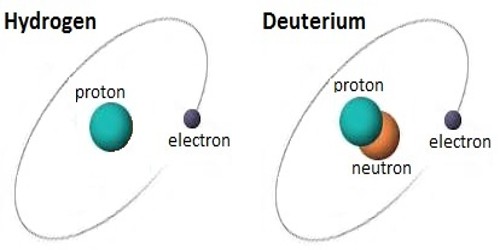
What is deuterium? It's an isotope of hydrogen that contains one proton and one neutron in the nucleus, making it heavier than ordinary hydrogen, which has no neutrons.
Hydrogen is one of the most important elements in biology and it's central in water, energy production, and the movement of electrons and protons through your body.
Mitochondria rely on precise hydrogen movement in order to produce ATP.
The big concern with excess deuterium is that it is heavier than regular hydrogen and may interfere with molecular processes, which depends on fast and efficient hydrogen transfer.

Healthy cells, mitochondria, and the gut flora tend to excrete deuterium on their own. You can also eliminate excess deuterium by sweating, breathing, urinating, and going number 2.
The body may use deuterium strategically in some tissues to reduce damage to cells and to stimulate cell growth.
According to animal studies, deuterium increases histamine release from mast cells, which are immune cells found in the connective tissues throughout the body.
It appears that life evolved to make use of deuterium, but also to keep it sequestered or contained when necessary.
Did you know there are foods that are low in deuterium and foods that are rich in deuterium?
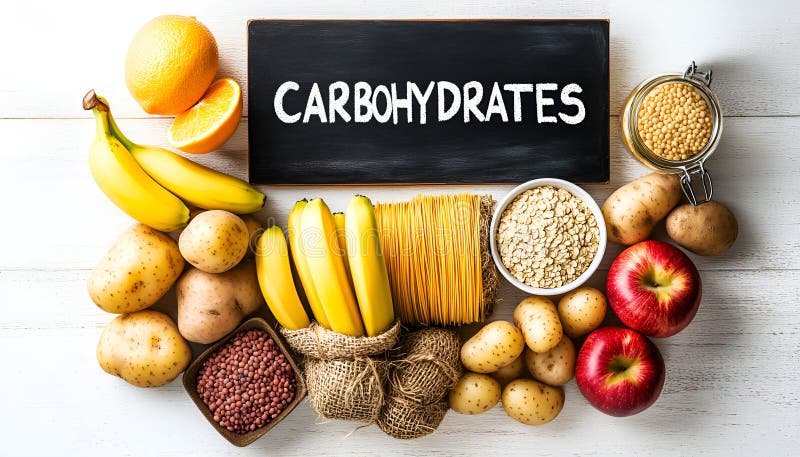
Foods that are rich in deuterium will mainly be plants foods like all purpose flour, refined grains, corn, refined sugar, potatoes, sweet seedless fruit, fruit juices, and even coconut water.
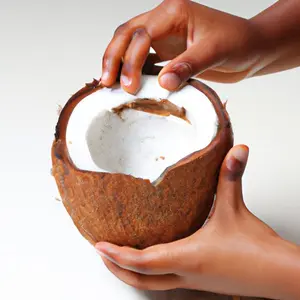
Although, the meat and fat from coconuts will be low in deuterium.
Plants store deuterium in their sugar storage, so the lower the sugar levels of a plant, the lower it will be in deuterium such as leafy and green plants.
Way deuterium enters the food supply is through photosynthesis, as plants produce energy from carbon dioxide and water. Then animals and humans will eat these plants.
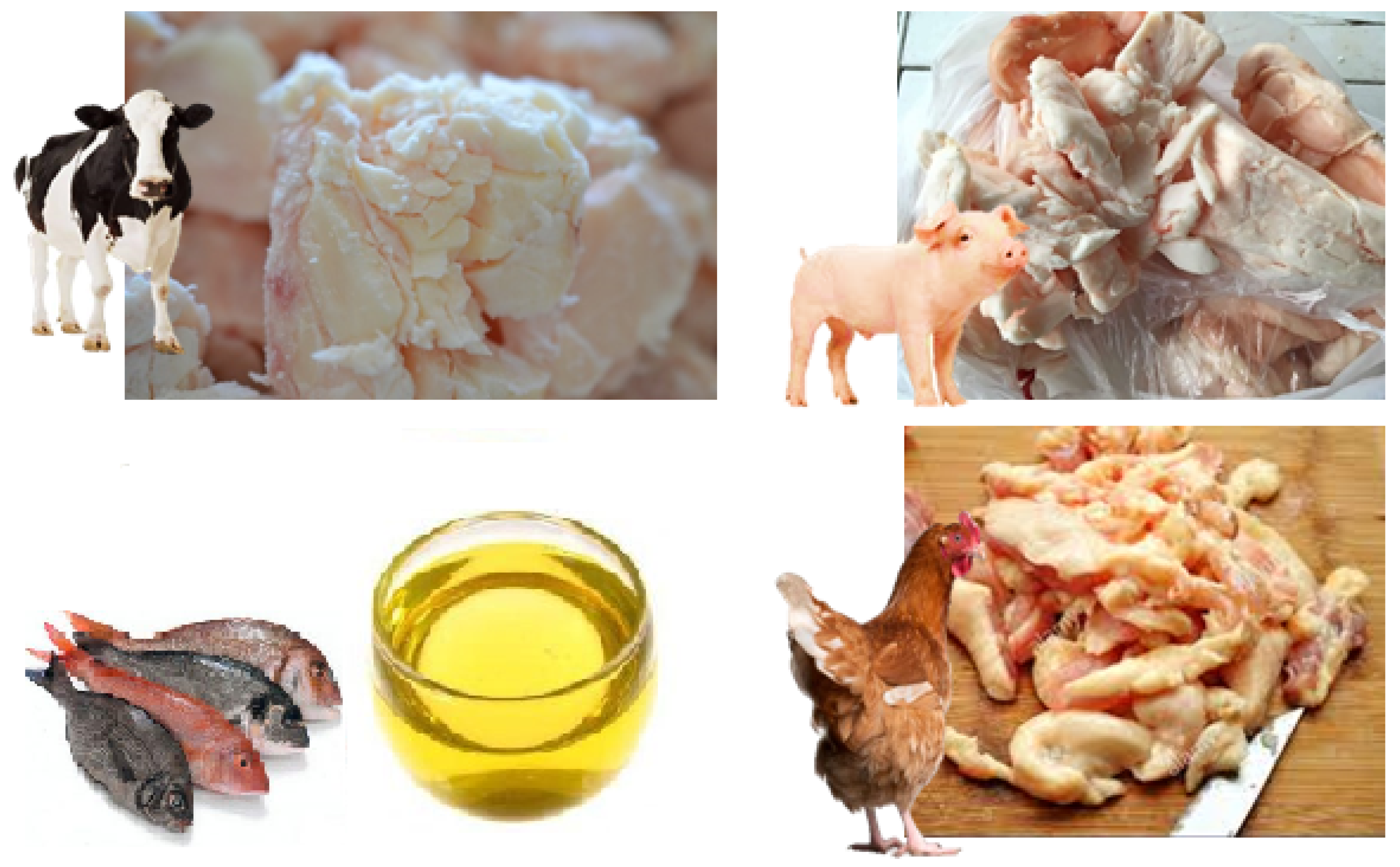
The fat that comes from coconuts, olive oil, and animals is known to be low in deuterium, but seed oils will be deuterium bombs because of the way they are processed and grown.
Seed oils contain 160 - 220 ppm of deuterium, which is the highest of any food and can cause more damage than carbs.
Unadulterated cold-pressed seed oils will not be that high in deuterium.
The meat from animals that eat green grass is low in deuterium, but will be slightly higher in animals fed cereal grains. Pork meat is probably the highest in deuterium because they are primarily fed grains.
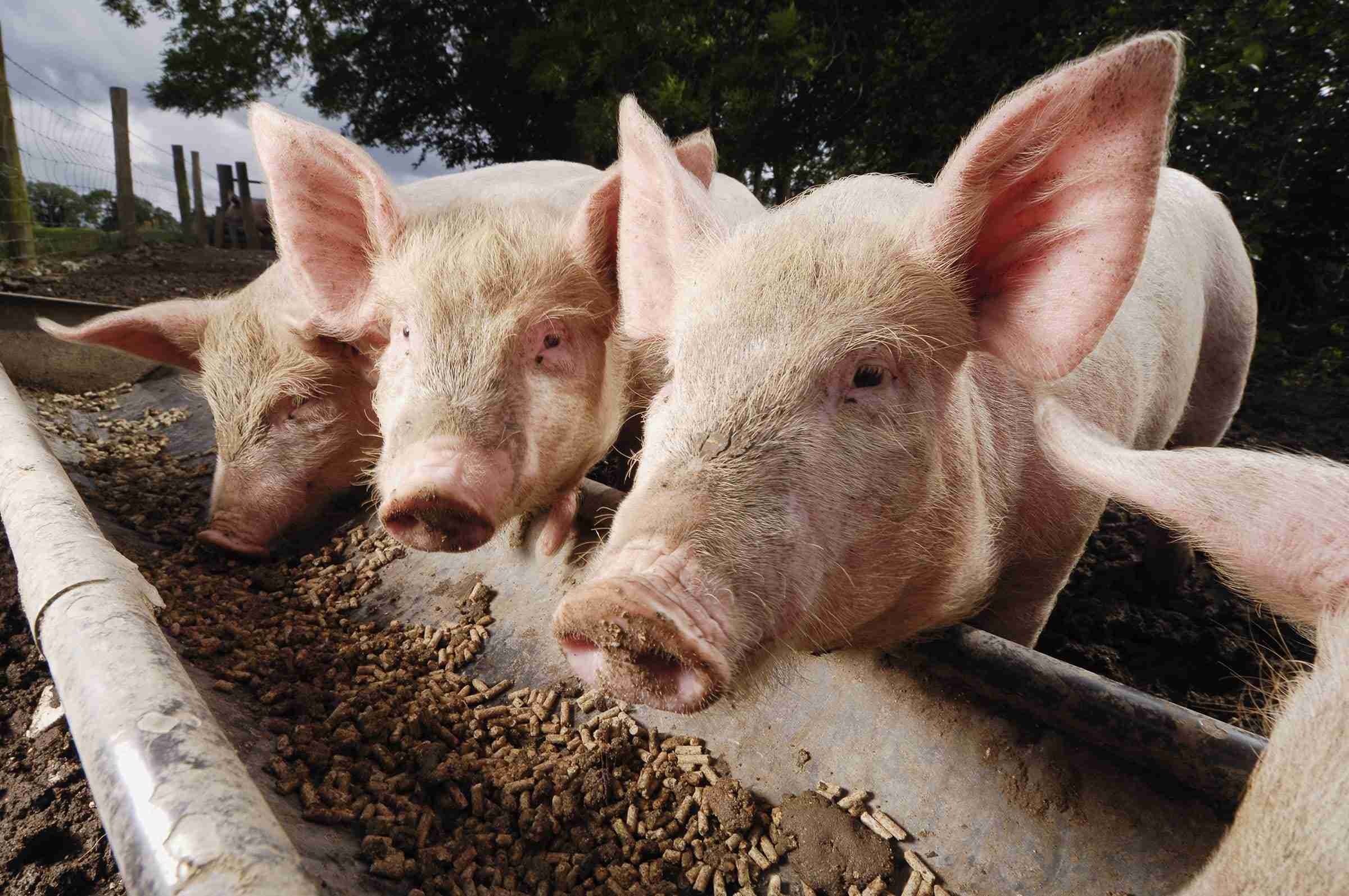
Unfortunately, grain feeding usually includes use of glyphosate sprayed on GMO crops and grains, which limits the oxygen delivery to mitochondria for efficient deuterium depleted water production.
Dairy foods from cows fed these grains present many health compromising effects for the human consumer. That's why it's very important to consume glyphosate-free dairy from pastured cows.
If you're having a problem with eggs, especially conventional eggs, it could be the egg whites that are high in deuterium, but the egg yolks are very low.

Therefore, consuming an egg white omelet or egg white powders would be like consuming a deuterium bomb! Eggs that come from chickens that are pastured and have a lower deuterium diet should not be a problem.
Stay away from most farmed fish and consume wild caught fish that have low deuterium diets especially from cold waters, which increases omega 3's.
Your body can make deuterium depleted water!
Deuterium is found in all water and in the foods that we all eat. Water is part of the way cells produce energy, move nutrients, regulate minerals, clear wastes, and maintain an electrical balance.
Most people think hydration is only about drinking enough water, but your body also has the ability to make water.
Your body actively regulates deuterium through metabolism. When you sleep, your body will shift into repair and metabolic regulation modes.

Your mitochondria will generate metabolic water that is naturally lower in deuterium while respiration and normal water loss during sleep help to remove deuterium rich water from your body.
What are low carb diets effect? Eating a low carb diet high in fat like the ketogenic diet will promote metabolic water production low in deuterium.
When the mitochondria oxidizes fats/lipids it produces metabolic water with as low as 118 ppm deuterium concentration. Plus, fats will produce more metabolic water than carbs can produce.
On the flip side, the oxidation of glucose produces metabolic water with higher deuterium levels. Carbohydrate rich diets lead to the production of metabolic water with a deuterium concentration of about 155.75 ppm.
Regular bottled water's deuterium concentration is usually between 140 to 158 ppm. Water from coastal and low-lying regions are usually higher in deuterium as well.
Some high altitude regions can be significantly lower in deuterium because glacial meltwater has undergone significant evaporation and condensation processes, which can remove the heavier isotope of deuterium.

Is that why the Hunza are one of the longest living of indigenous peoples?
Mountain, inland, and the snowmelt fed waters are most of the time lower in deuterium. This effects the amount of deuterium that's found in the food grown in these regions.
What are low carb diets primary drawback? A very overlooked piece of the puzzle when it comes to health and low carb diets is mineral buffering.
If your body is too acidic, you may want to consume mineral rich water and mineral rich whole foods like a nutrient dense glass of raw whole milk.

This will support the natural buffering system because the body constantly has to manages acids produced by metabolism, exercise, stress, and foods that were cooked.
Being too acidic may shift your body away from efficient fat oxidation and toward a more stressed metabolic state that can't get rid of deuterium.
When the body's deuterium load gets higher than your system can handle, this may create subtle friction in the tiny hydrogen-transfer pathways that support energy production.
Think of your body as a high speed energy system and hydrogen is suppose to move clearly through tiny biological pathways and heavier hydrogen or deuterium will slow down chemical reactions in your body.
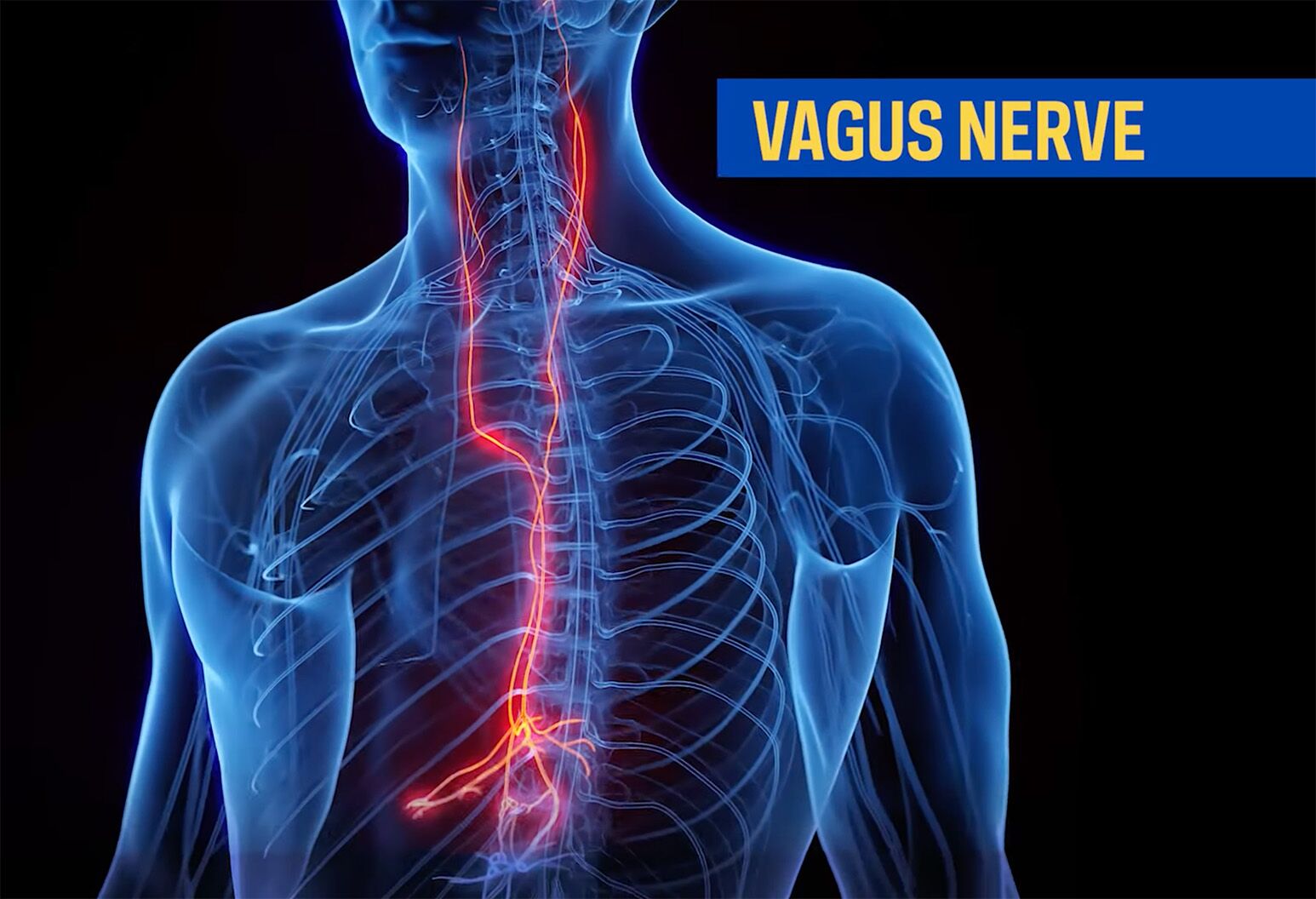
Your blood is where deuterium is suppose to be and the body is designed to get rid of deuterium using the vagus nerve system that will try to eliminate deuterium in your poop.
This system is prone to problems and if you can't clear deuterium it can go back to your brain through the vagus nerve and could pollute the cytoplasm where mitochondria produce energy.
Consuming salt may be a "trick of the trade"!
If you watch any cooking show, you will notice that salt is needed in order to make the meal just right. It's almost a sin to not season food properly that's because it stimulates people's appetites and their voltage.

According to Jack Kruse, increasing voltage along the inner mitochondrial membrane, which is really what salt is doing, improves the ability to keep deuterium in the blood.
Salt is a "trick of the trade" that can be used to speed up the vortexes in the body that will deplete deuterium for people that are deuterated.
Dr. Kruse also brought up how important melanin is to keep deuterium in your blood - the vagus nerve is assisted by melanin to get rid of deuterium.

That's why I make a big effort to get the morning sunlight as soon as I wake up. Blue light technology ruins production of melanin in the eyes and puts deuterium into the fluid of your cells.
I would avoid "artificial" blue light especially in the morning before going outside to get your morning sunlight for best results.
People that have deuterated water tables in the body usually will have low potassium, according to Dr. Jack Kruse.

Potassium is a very big thing because it works with melanin to support the structured water in your body.
Potassium and melanin are critical to keeping deuterium in the blood. I've noticed that I'm more "regular" when I drink my green juice.
By the way, electrolyte supplements can be heavily deuterated, which may cause your teeth to fall apart, according to Jack Kruse.
Dr. Kruse also stated that grounding is very important because it helps to give the body oxygen in the triplet state to keep deuterium where its suppose to be and to support the spin of the vortexes.

If you only get singlet oxygen by not properly grounding, you will ruin the vortexes in your body. Exercising will help to keep deuterium in your blood especially if you are grounded.
You might want to switch to leather shoes, get some grounding shoes, or just walk barefoot outside to increase oxygen in your body.
Apparently, we keep deuterium in our fat, specifically in the white fat cells, which is protective to our matrix. Deuterium might be the cause of obesity and not insulin resistance, according to Dr. Jack Kruse a neurosurgeon.
What are low carb diets effect on body fat?
It appears that deuterium and its effect on the human body, will be crucial to understand how to maintain health in the short and long term.
Different fuels create different metabolic effects. Foods high in sugar and starch tend to produce more deuterium or heavy hydrogen.
The sun naturally depletes deuterium, which is why you can get away with eating more carbs in tropical environments.

However, if you are having trouble with depleting deuterium and you eat too much deuterium, you will increase the white fat cells that may lead to obesity.
Deuterium depletion can be attained through eating a low in deuterium diet like a low carb diet. This means the body should retain the ability to shift into fat oxidation, which is what are low carb diets effect on body fat.
Fasting can deplete deuterium by shifting the body's metabolism towards fat-burning and cold exposure can also work for deuterium depletion that can be used with caution by people that have extra fat to burn off.
When your body burns fat efficiently, it produces deuterium depleted water and will support a different internal energy environment than a high sugar or high carb diet that is high in deuterium.
Meals high in fats and low in refined carbohydrates tend to produce more deuterium-depleted metabolic water during energy metabolism.
Too much sugar interferes with mitochondrial health and the depletion of deuterium - may lead to abnormal numbers of chromosomes in cancer cells.
Interestingly, the ketogenic diet has been used successfully in the treatment of certain cancers, where the state of ketosis is induced by animal fats, which are naturally low in deuterium.

Turns out that ketones are a deuterium-depleted source of energy for your mitochondria, which are the energy powerhouses of your cells.
The body produces 1.1 kilograms of deuterium depleted water from every kilogram of fat consumed, eating a high fat diet results in less thirst as well.
Generally, low carb diets will lower deuterium in the body, so you will not have to store a lot of deuterium in white fat cells.
However, stay away from highly processed foods that contain seed oils and foods with glyphosate because they will be loaded with deuterium.
Deuterium and its affect on the human body may be the missing link that has led to many metabolic diseases that so many have just blamed on carbs.
- Home
- Foods High in Minerals
- What are Low Carb Diets?
Resources
1. 62: Leptin and Leptin Resistance Explained - Insights Dr. Ben Bikman, https://www.youtube.com/watch?v=LU4W9iGy-Lg
2. Low Leptin: The Body's "Scarcity" Signal by Carrie B. Wellness, https://www.youtube.com/watch?v=3vYlloiW6_0
3. The role of dietary salt in metabolism and energy balance: Insights beyond cardiovascular disease, https://pmc.ncbi.nlm.nih.gov/articles/PMC10946535/
4. What Is Deuterium And Why Is Too Much Harmful? by Carnivore Teacher Alpha, https://www.youtube.com/watch?v=gE-E0w1dCmA
5. Eating These High Deuterium Foods, https://www.youtube.com/watch?v=167hauH8850
6. What Foods Are High in Deuterium? A Dietary Guide, https://wellkr.com/what-foods-are-high-in-deuterium-a-dietary-guide
7. Dr. Jack Kruse Explains Melanin, Deuterium & Magnetism Connection | Grounding, EMFs & Vagus Nerve, Fitness Wisdom Podcast and Movement Specialist Andreas, https://www.youtube.com/watch?v=dX1jY-Kvl7E
8. Deuterium and Foods, https://www.h2-4you.com/deuterium-and-foods/
9. What is a Low Deuterium Diet? A Guide to Optimizing Cellular Energy, https://wellkr.com/what-is-a-low-deuterium-diet-a-guide-to-optimizing-cellular-energy
10. Hydration and Mitochondria: Why Structured Water, Deuterium, and EZ Water Are the Real Keys to Health, https://japa.health/hydration-and-mitochondria-why-structured-water-deuterium-and-ez-water-are-the-real-keys-to-health/
11. THE REAL REASON WHY SEED OILS ARE SO TOXIC: DEUTERIUM BOMBS by Tristan Scott, March 5, 2024, https://tristanhealth.substack.com/p/the-real-reason-why-seed-oils-are
12. The Ultimate Guide to Deuterium Depletion by Kriben Govender, https://www.nourishmeorganics.com.au/blogs/the-ultimate-guides/the-ultimate-guide-to-deuterium-depletion
Recent Articles


-
What are low carb diets: the benefits, leptin resistance, & deuterium.
Sep 26, 26 07:09 PM
 What are low carb diets effect on health? They can reduce leptin resistance and deplete deuterium!
 -
Advanced glycation end products: glycation, effects of, low AGEs diet.
Sep 03, 26 04:13 PM
 AGEs is short for advanced glycation end products that is an ominous warning because that's exactly what they'll do - they AGE you!!
 -
Best sources of healthy fats: saturated fats and rabbit starvation.
Aug 17, 26 04:38 PM
 The best sources of healthy fats will surprisingly be found in a tropical fruit, seafood, and in the fat of animal foods.