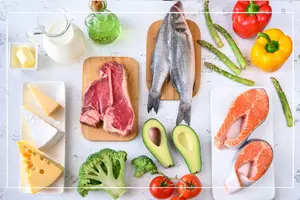
Health benefits of copper: PAM enzyme, purple bacteria, vitamin A, best sources of copper, and copper depleters.
The health benefits of copper will help to give you a well-balanced diet like our ancestors had and also help to give your body the energy it's craving.
That's because copper is one of those "missing" minerals that's needed for the most important antioxidants and enzymes like the PAM enzyme, which is essential for turning on your peptides.
In the 1930's, the American diet contained 4 to 6 mg. of copper because they regularly consumed the best sources of copper.
In the 1960's, intake of copper went down to 2 to 5 mg. and today the RDA is less than 1 mg. of copper.
Why does copper matter? Without the health benefits of copper, iron and oxygen can become a very big problem for your purple bacteria and can lead to a lot of oxidative stress.
Unfortunately, essential nutrients like copper and vitamin A have become the red headed stepchildren of the nutritional world and this may have caused a "grave" problem.
Find out why copper is missing from our diets and what are the biggest copper depleters, so you can get your energy back.
The master antioxidants of your body needs copper in order to be made.

Copper may be one of the most depleted and yet most important mineral that helps reduce oxidative stress and aging in the body.
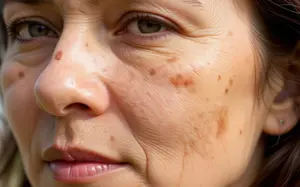
The most visible sign of a copper deficiency is a change in your hair color - premature greying or lightening of your hair.
Why does this happen? That's because copper is involved with giving your hair and your body its color.
And without enough copper in your body, too much hydrogen peroxide is produced, which bleaches everything out.
Copper is a key component of the most important antioxidants in your body, and one of the most important is ceruloplasmin the master antioxidant.
Ceruloplasmin helps to break down hydrogen peroxide, which helps protect cells from oxidative stress and damage that can occur from high levels.
Most of the copper in your body is turned into ceruloplasmin, which is also the key transport protein responsible for carrying copper to tissues that need this mineral and especially the purple bacteria.
Ceruloplasmin is a very big protein that has 1,046 amino acids and there are 6 to 8 copper atoms, which give it a blue color. Many substances destabilize and denature the ceruloplasmin protein that will cause ceruloplasmin to lose its copper.
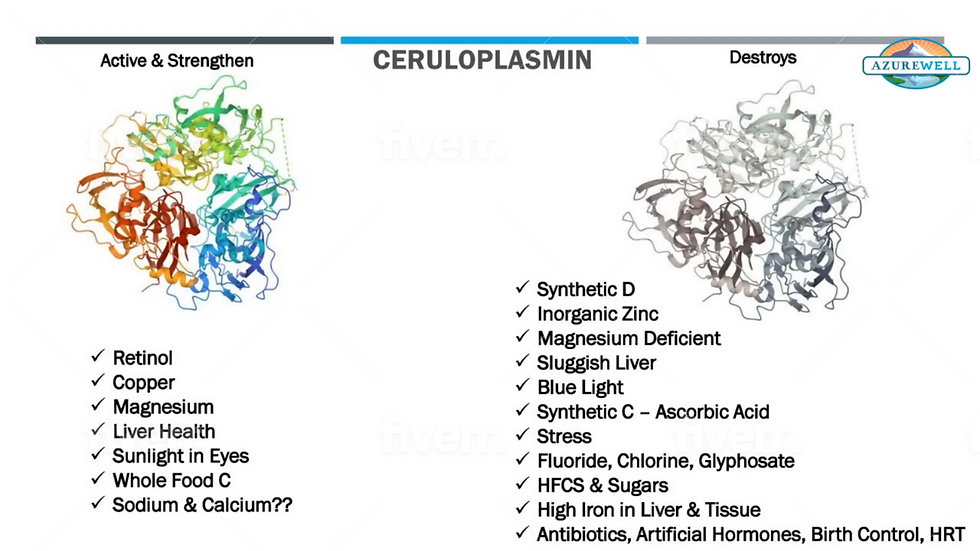
Ceruloplasmin needs to be properly made, properly folded, properly loaded with copper, and requires other minerals especially magnesium. It requires vitamins especially vitamin A and the whole food vitamin C complex.
Ceruloplasmin also acts as one of the most important antioxidant enzymes that catalyzes the oxidation of minerals like iron.
The oxidation of iron by this antioxidant enzyme is necessary in order for iron to be bound to its transport protein or transferrin that safely carries iron to your tissues and the tissue with highest attraction to iron is bone marrow.
The health benefits of copper: helps to prevent iron from becoming a wrecking ball!
Iron is the most prevalent element on the planet and is necessary for life, but it appears many have lost the ability to regulate iron in this modern world.
To make energy, you must be able to convert oxygen into water and when that conversion happens, energy can be released.
However, iron and oxygen like to play together, which will create iron oxide or rust. There is only one mineral on this planet that can regulate iron and oxygen at the same time to not create rust, which is copper.
When you do not have enough copper, there is a biological response, which starts to accumulate iron in the body that will wreck your ability to produce energy.
And if you can no longer produce energy, this will start a cascading effect that will rust you from the inside out, which includes the ceruloplasmin.
Cholesterol will start to rise in your body because you're in oxidative stress because you don't have enough copper to activate the oxygen to turn it into energy.
Did you know that cholesterol is an oxygen sink? It takes 11 molecules of oxygen to make 1 molecule of cholesterol that is involved with essential body functions.
Also, the iron recycling system in your body will not work efficiently and iron will start to accumulate in your tissues, which leads to oxidative stress.
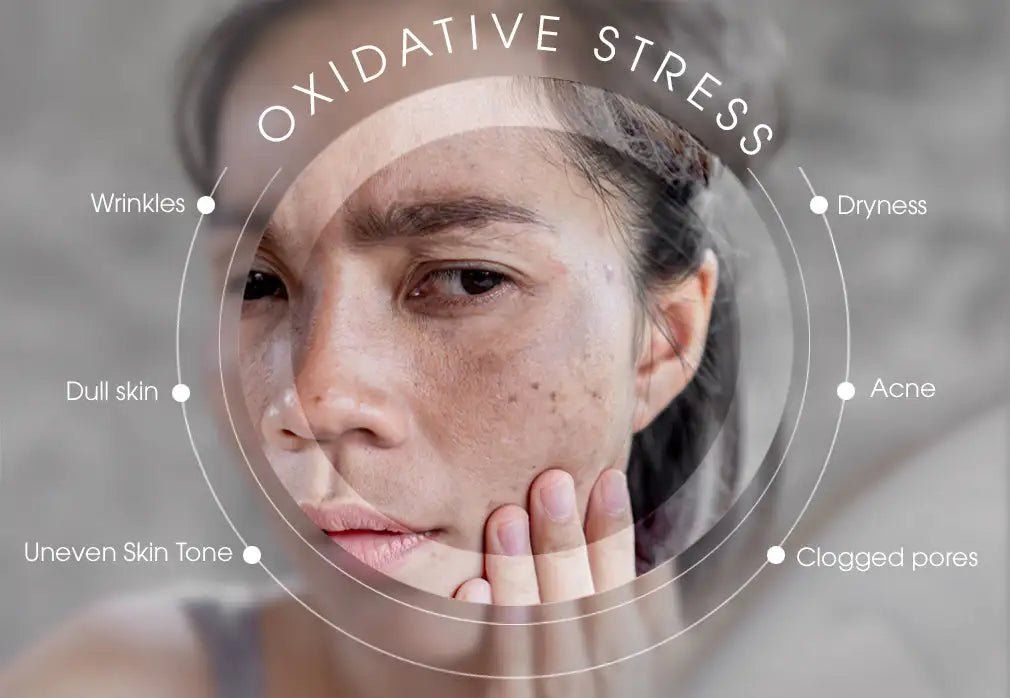
Your body is designed to regulate oxidative stress, but when you are exposed to an unnatural level of iron, it will overwhelm your antioxidant systems and eventually they won't be able to keep up.
Oxidative stress simply means you've exceeded your threshold of being able to neutralize the excess oxygen in your body.
Morley Robbins author of Cure Your Fatigue says, "you can't make energy and clear exhaust without copper."
Most people know that carbon monoxide is a toxic gas that you shouldn't inhale, but most don''t realize that it can also be produced in your body.
The metabolism of heme iron produces carbon monoxide and the main effects of poisoning will develop in the systems most dependent on oxygen.
Carbon monoxide will bind to your hemoglobin and turn this life sustaining molecule into a killer compound called carboxyhemoglobin, which prevents blood from carrying oxygen effectively.
Carbon monoxide also has a high affinity for the heme protein myoglobin, which helps to supply oxygen to your muscle tissue.
An enzyme called heme oxygenase involved in heme catabolism produces carbon monoxide, which is induced by free radical production and oxidative stress.
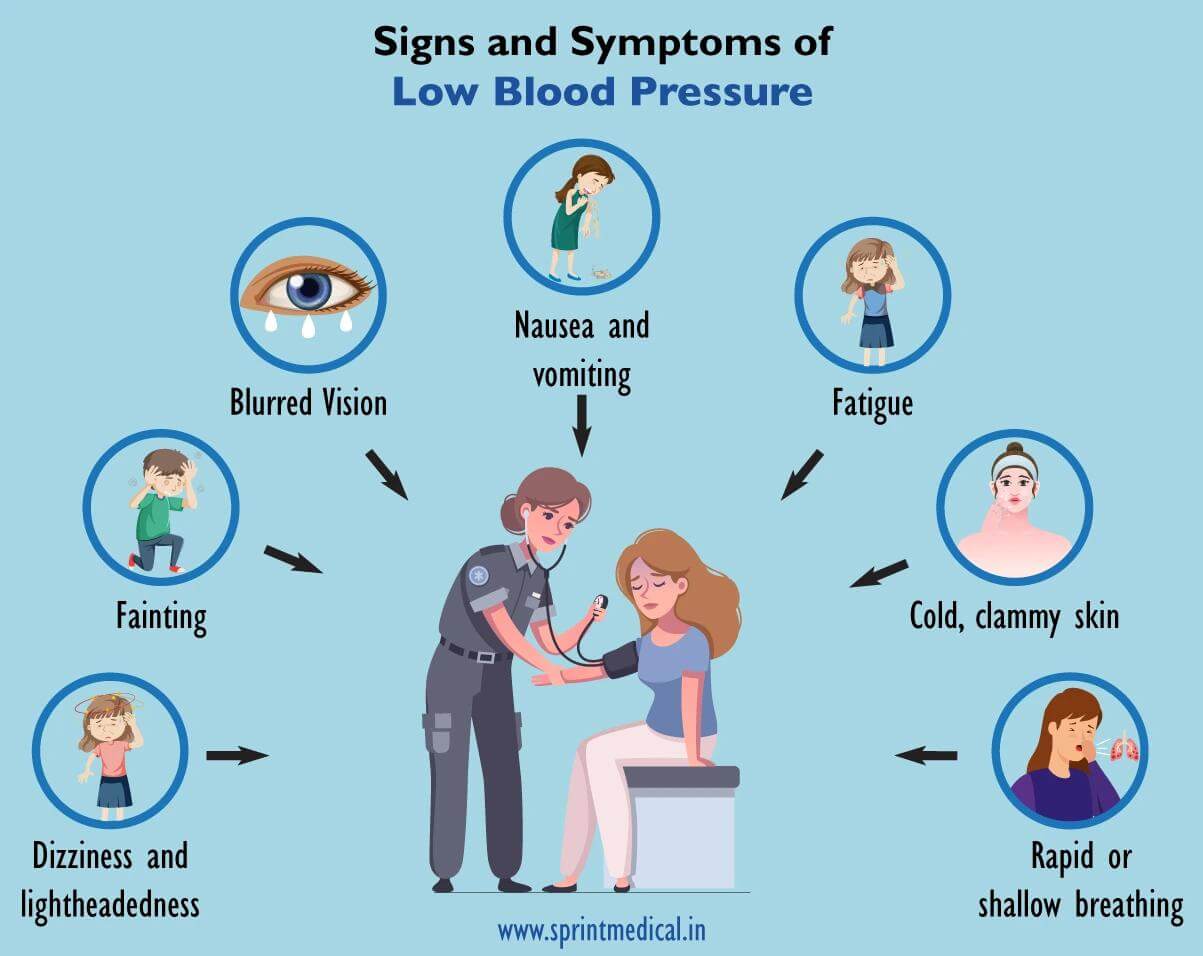
Carbon monoxide impairs the ability to utilize oxygen that in turn reduces cardiac output and results in low blood pressure or hypotension.
Another problem is that carbon monoxide binds to cytochrome c oxidase, which is one of the most important enzymes that helps make ATP and it also affects beneficial bacteria that contain the same enzyme.
With too much carbon monoxide in the cells, bacteria respond by switching to anaerobic metabolism that causes the Warburg effect.
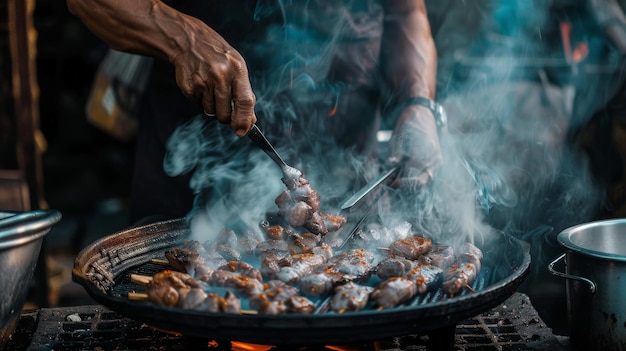
Cooking foods also creates carbon monoxide, which is why I prefer to eat my foods raw especially red meat. Be aware that carbon monoxide is being used on some commercial meats.
Enzymes are made up of proteins and if any are missing or malformed due to heat, changed pH, or a copper deficiency they do not activate and function at normal levels.
Low levels of enzymes can lead to a nutritional deficiency, because even if you ingest food that contains nutrients like copper - it may not get absorbed unless a sufficient amount of digestive enzymes are present.
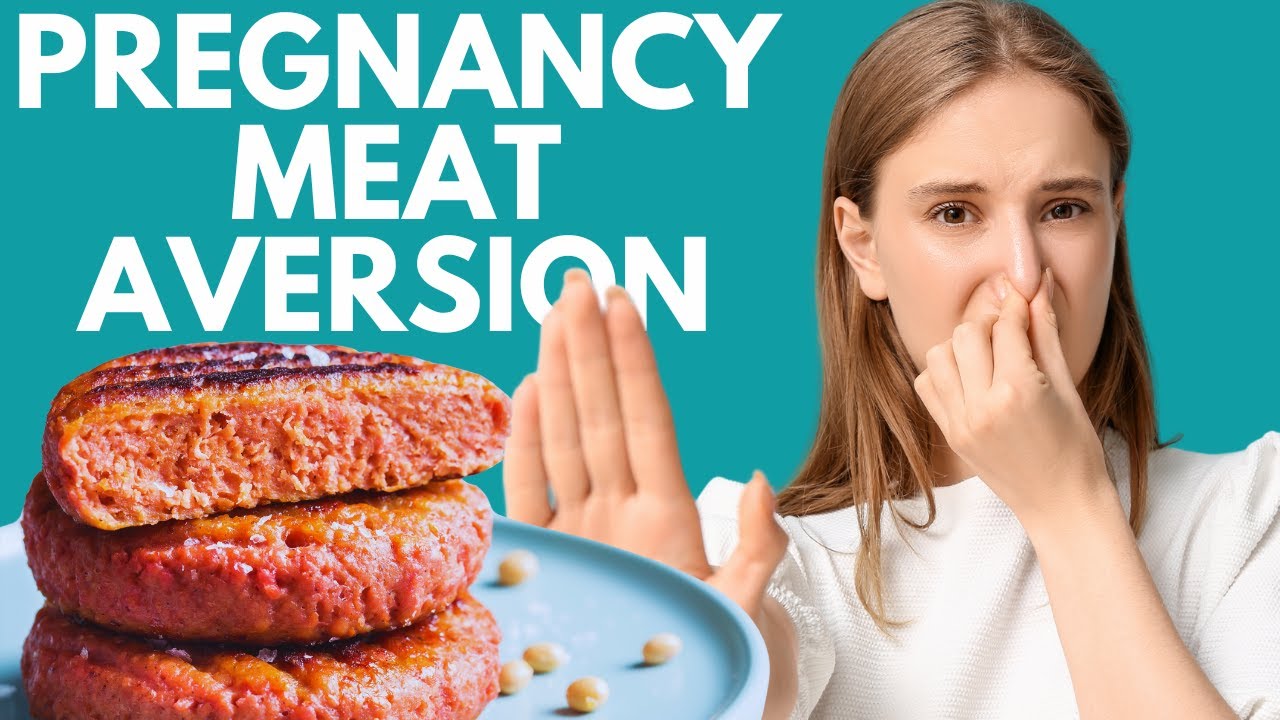
Many people have an aversion to eating meat because of "disturbed" heme iron metabolism that causes mitochondrial decay, oxidative stress, and iron accumulation, which is a big problem especially when you're pregnant.
Did you know that breast milk has almost no iron? Morley mentioned in a pregnant women's body, copper doubles and activity of master antioxidant ceruloplasmin triples.
There doesn't appear to be such a thing as copper toxicity, which was based on a ridiculous study. If, however, ceruloplasmin should lose its copper, you shall experience iron toxicity and it may be time to learn about the health benefits of copper.
The health benefits of copper can be life changing!
Copper is a very essential trace mineral for the body, which you need to get from your diet and soon you'll realize just how important copper is to keeping homeostasis in your body.
Ceruloplasmin is the master antioxidant of your whole body, glutathione is the master antioxidant of the cells, and melatonin is the master antioxidant of the mitochondria - all of them need copper.
A decrease in antioxidant protection caused by a copper deficiency goes way beyond just these antioxidants and will induce a wide range of disturbances in the other enzyme systems as well.
Copper deficiency is linked to: Anemia, Leukemia, Cardiovascular Disease, Free Radical Damage, Inflammatory Diseases, Osteoporosis, Aging, Thyroid Dysfunction, Allergies, High Cholesterol Level, Heart Attacks, Varicose Veins, Aneurysms, Defective Spinal Cords, Weak Connective Tissue, Arthritis, Pale Looking Skin, Depression, Infertility, Kinky Hair Syndrome, Hair Loss, Blood Sugar Problems, Neuropathy, Uric Acid, Anorexia, Bleeding Under Skin, and Lack of Melanin.
Maintaining a steady level of copper in the body will depend on amount of copper ingested and the amount of copper that is bioavailable.
The health benefits of copper is essential for all living organisms and is a co-factor for hundreds of metalloenzymes that are enzymes that have a metal attached to their protein.
Copper is a key component of superoxide dismutase or SOD a metalloenzyme that protects the body from active oxygen free radicals.
Health benefits of copper: SODs are kind of like the first line of defense for your mitochondria during the production of energy.
Health benefits of copper: is essential for various metabolic processes that include the production of energy and the metabolism of fats, carbohydrates, and proteins.
It's a co-factor for enzymes that facilitate many biochemical reactions.
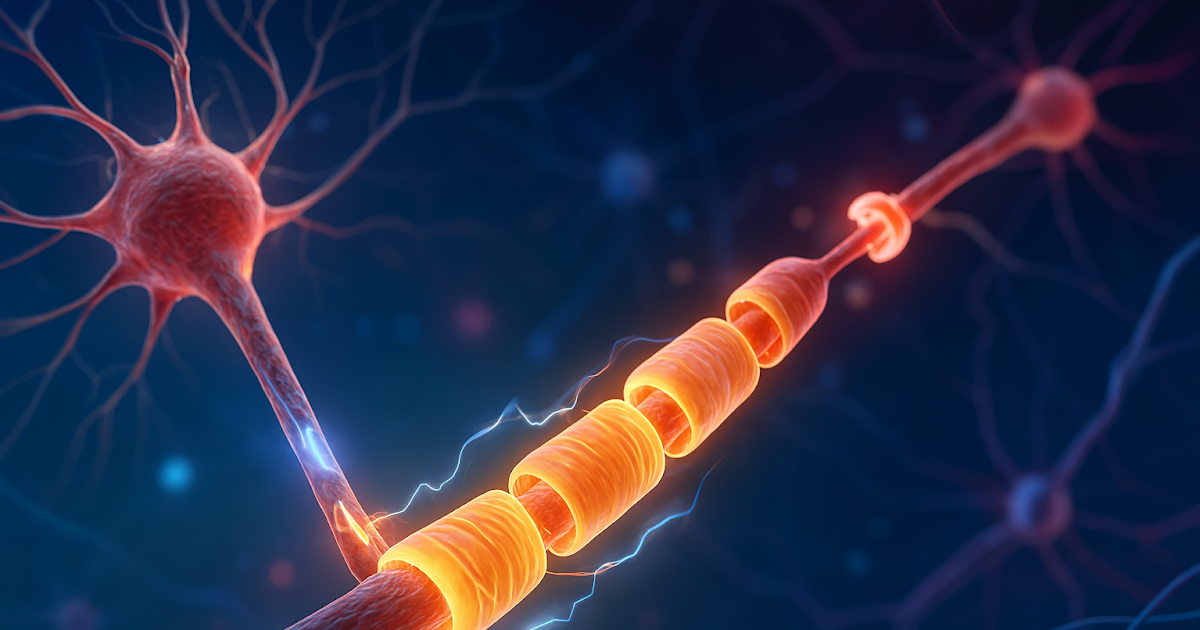
Health benefits of copper: it's involved in formation of the myelin sheath that's involved with protecting and insulating your nerves.
Health benefits of copper: serves as a co-factor in the synthesis of important neurotransmitters involved with production of adrenaline and dopamine, which you need in order to handle stress.
Health benefits of copper: plays a role in brain function and development. A copper deficiency can contribute to neurological problems.
Health benefits of copper: it functions as an enzyme co-factor by activating certain key enzymes required to strengthen your structural protein collagen, that in turn strengthens your cartilage, tendons, bones, and blood vessels.
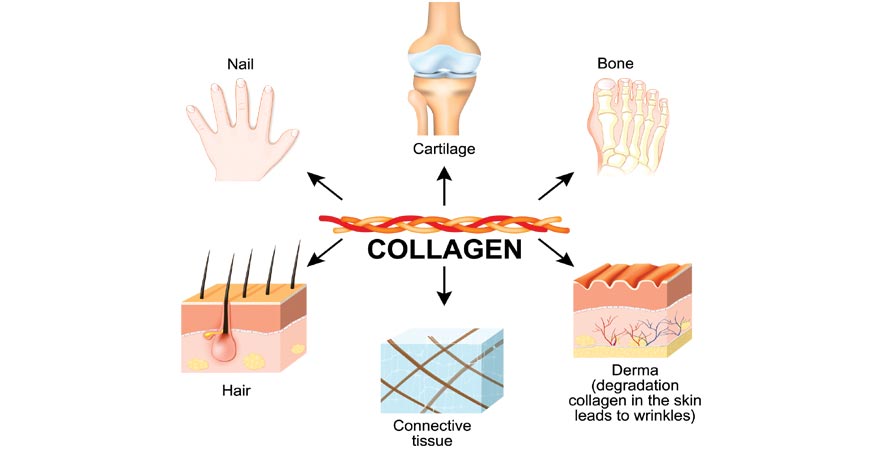
Copper plays a pivotal role in producing collagen and gives strength and elasticity to your collagen.
Health benefits of copper: functions as a co-factor for a protein that helps maintain your lung tissue and helps to prevent the killer emphysema.
Health benefits of copper: is needed to be able to break down histamine, which creates allergic reactions in your body.
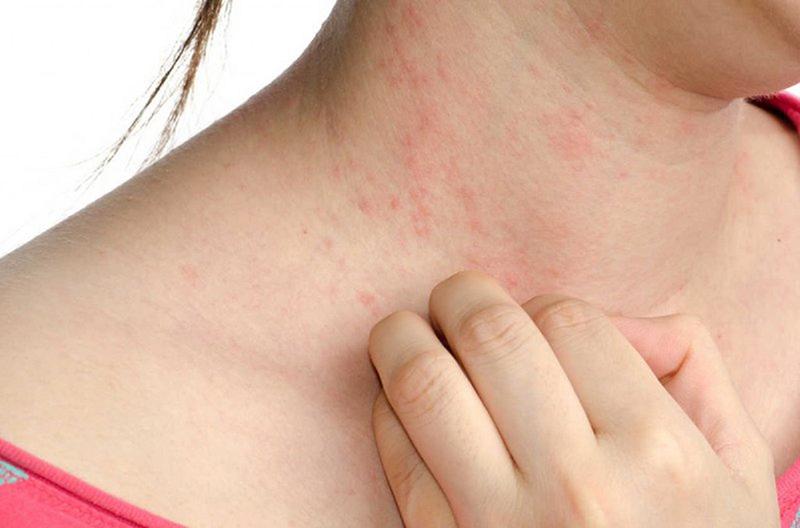
Symptoms of a histamine reaction include skin flushing, nasal congestion, headaches, and gastrointestinal issues like bloating or diarrhea.
Health benefit of copper: it's your body's natural anti-candida agent and anyone with candida overgrowth will likely have a copper imbalance.
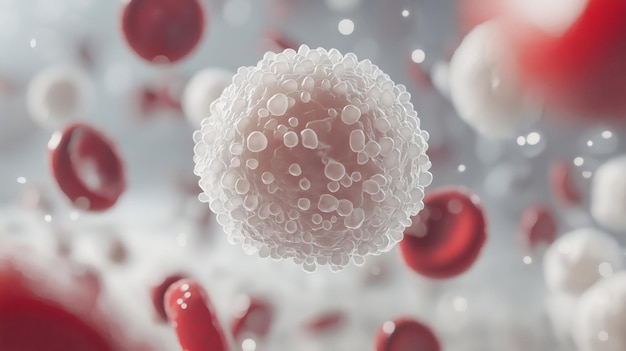
Health benefits of copper: plays a role in immune system function because it mobilizes white blood cells and a copper deficiency can lead to low levels.
Health benefits of copper: helps facilitate the absorption of iron, which is necessary for hemoglobin production and copper plays a role in how your blood clots.
Health benefits of copper: needed to convert the thyroid hormone T4 into the active form T3. You can't make the signaling T3 hormone very well if your liver is full of iron.
Health benefits of copper: it improves melanocytes that give melanin its color. If we have strong melanocytes that can produce melanin, we'll have strong and healthy hair color.

Health benefits of copper: it's referred to as a psychic or intuitive element and is very important especially for women that need more of this nutrient.
Children are usually born with a good supply of copper, but by the age of 4 may lose much of their supply and therefore some of their intuition.
Health benefits of copper: it makes sure we have lots of color on this planet.

Copper enzymes help provide the color in your garden and help provide the color inside and outside of your body.
Did you know the color of your gall bladder is suppose to be green and your spleen is suppose to be a vital eggplant purple color?
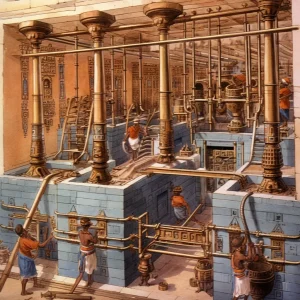
Copper is one of humanity's first metals - it shows up in Sumerian and Egyptian metallurgy.
Many of underground copper pipes used to convey water in Egypt nearly five thousand years ago are still in existence.
Funky bacteria can't grow in copper pipes and became the standard in the 1960s through the 1980s in America.
The Ankh is an ancient Egyptian symbol for life and has historically been associated with copper and blue.
Health benefits of copper: it is an excellent energy conductor, which sends and amplifies thoughts, healing, and energy.
The Statue of Liberty is the largest copper statue in the world and symbol of freedom - interesting coincidence!
Health benefits of copper: its great for dispensing negative energy and has been found to be beneficial for a disorder called "streetlight phenomenon", which is the ability to turn off a streetlight by just walking under it, which I've actually experienced.

You may be in need of more copper if: you are older, drink a lot of alcohol, have celiac disease, prone to histamine reactions, have bacterial infections, have gastrointestinal disorders, consume a lot of zinc or iron, consume a lot of fructose, have cystic fibrosis, and take synthetic vitamin C aka ascorbic acid.
The PAM enzyme: needed to turn on your peptides.
Have you wondered why peptides are "all the rage" these days? Well, it could be based on a deficiency of copper, which is needed to make the PAM enzyme function.
The PAM enzyme is pivotal for everything that goes on in our body as it turns on thousands of signaling peptides.
PAM can activate over half of the 4,700 signaling peptides, but if the PAM enzyme is off, signaling will also be off. Peptides are essential hormones and essential neurotransmitters like dopamine.
Your body can actually make a lot of different peptides like GLP-1, which are short strings of protein that are about 2 to 100 amino acids long.
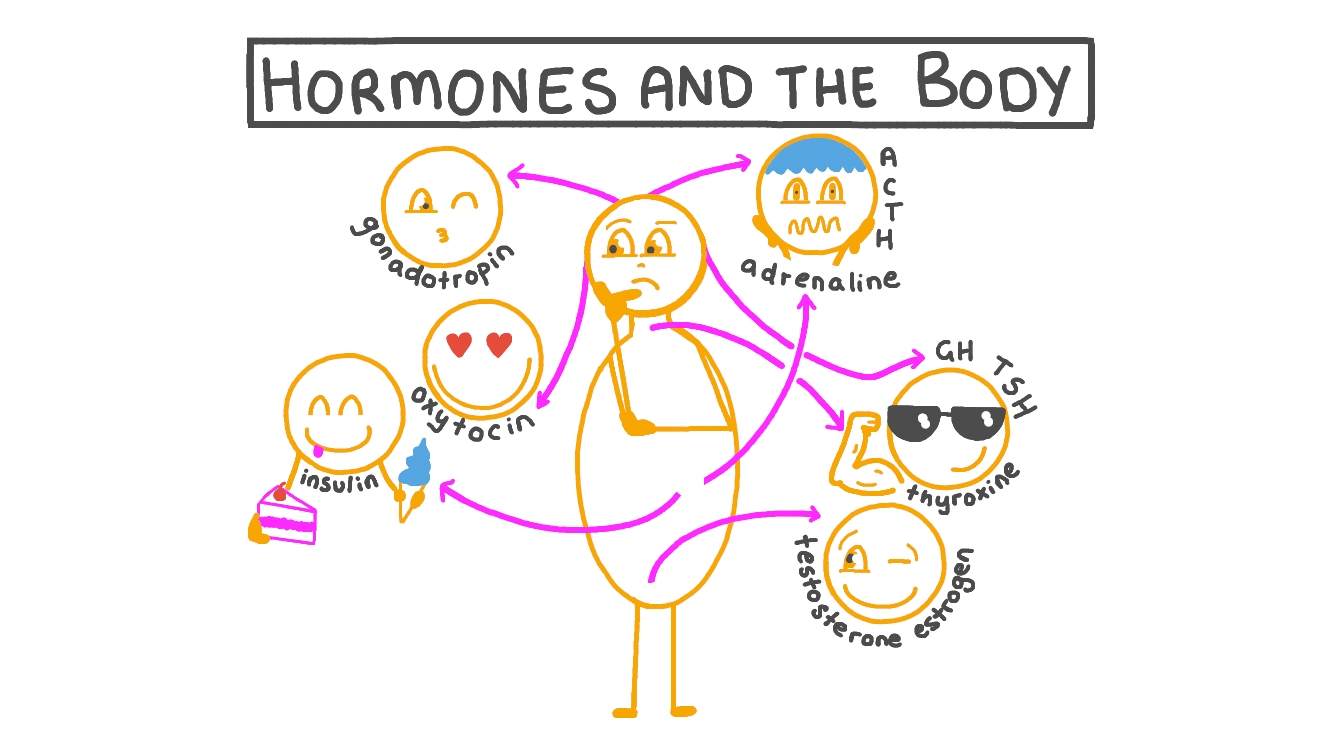
In reality, your body makes pro-hormones that are not active, but in a state where they can be activated. The PAM enzyme is what will turn them on, so they can do their jobs.
PAM stands for peptidylglycine alpha amidating monooxygenase, which gives peptide hormones and neuropeptides that finishing step before they work.
Morley Robbins said that nobody knows including doctors, that its 2 copper atoms need to be at a critical point when oxygen is there in order to cleave off a carboxyl group and put on a glycine group to turn on the peptides.
And a whole series of hormones need to be turned on, not just one. There are 7 signaling peptides in the metabolism of sugar alone and they all have to be turned on to talk to each other.
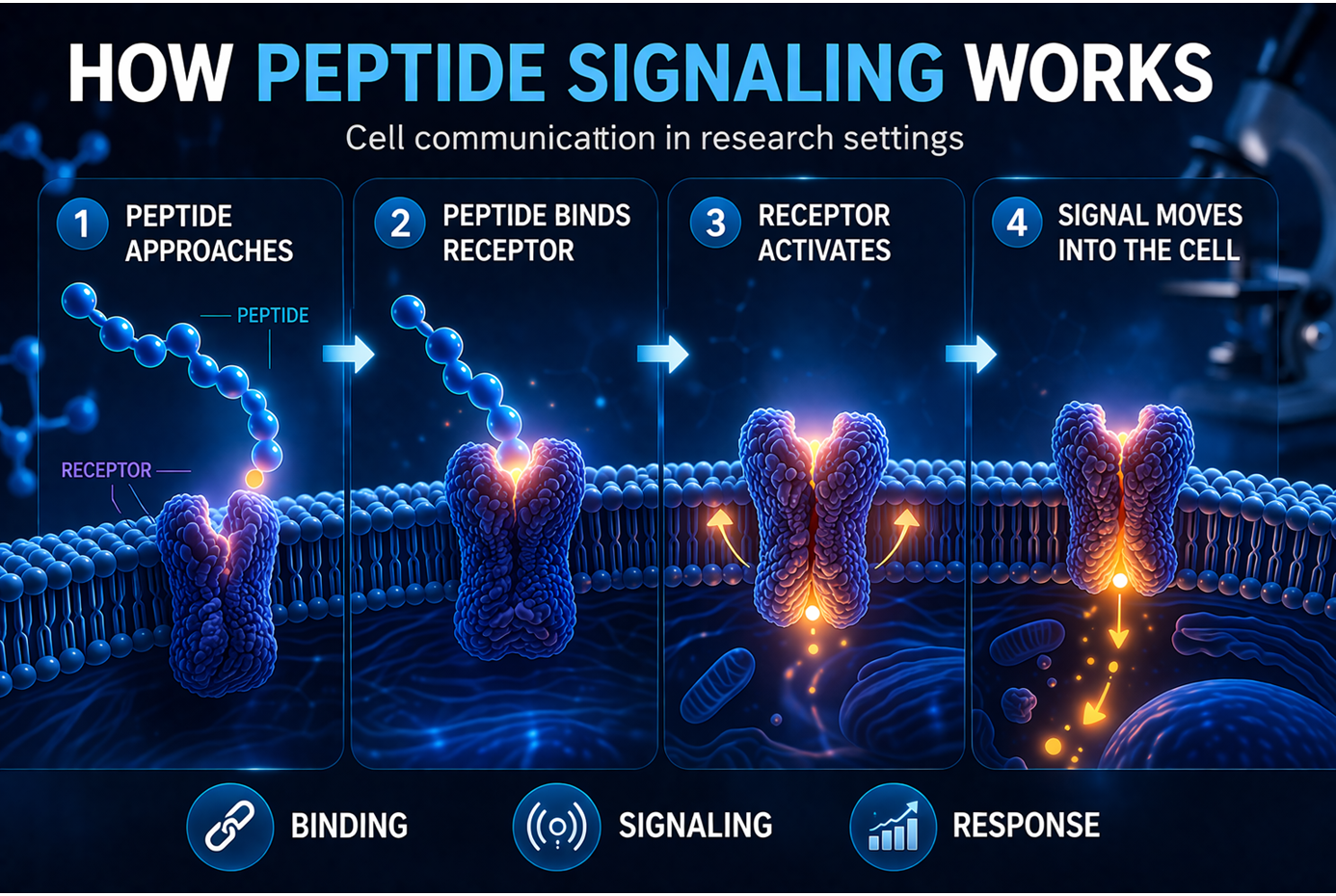
It's crucial to have a connection between the hormones and its receptors because it has to download its signal to inform the cell about what needs to happen next.
Insulin is a 51 amino-acid-long peptide hormone that helps the cells take in sugars from food to use for energy metabolism. When insulin is in its fully active state, its able to fit into its receptor perfectly.
If insulin can't get into its receptor, sugar will build-up and a cascade of dysfunction will follow like high blood sugar that blows up ceruloplasmin.
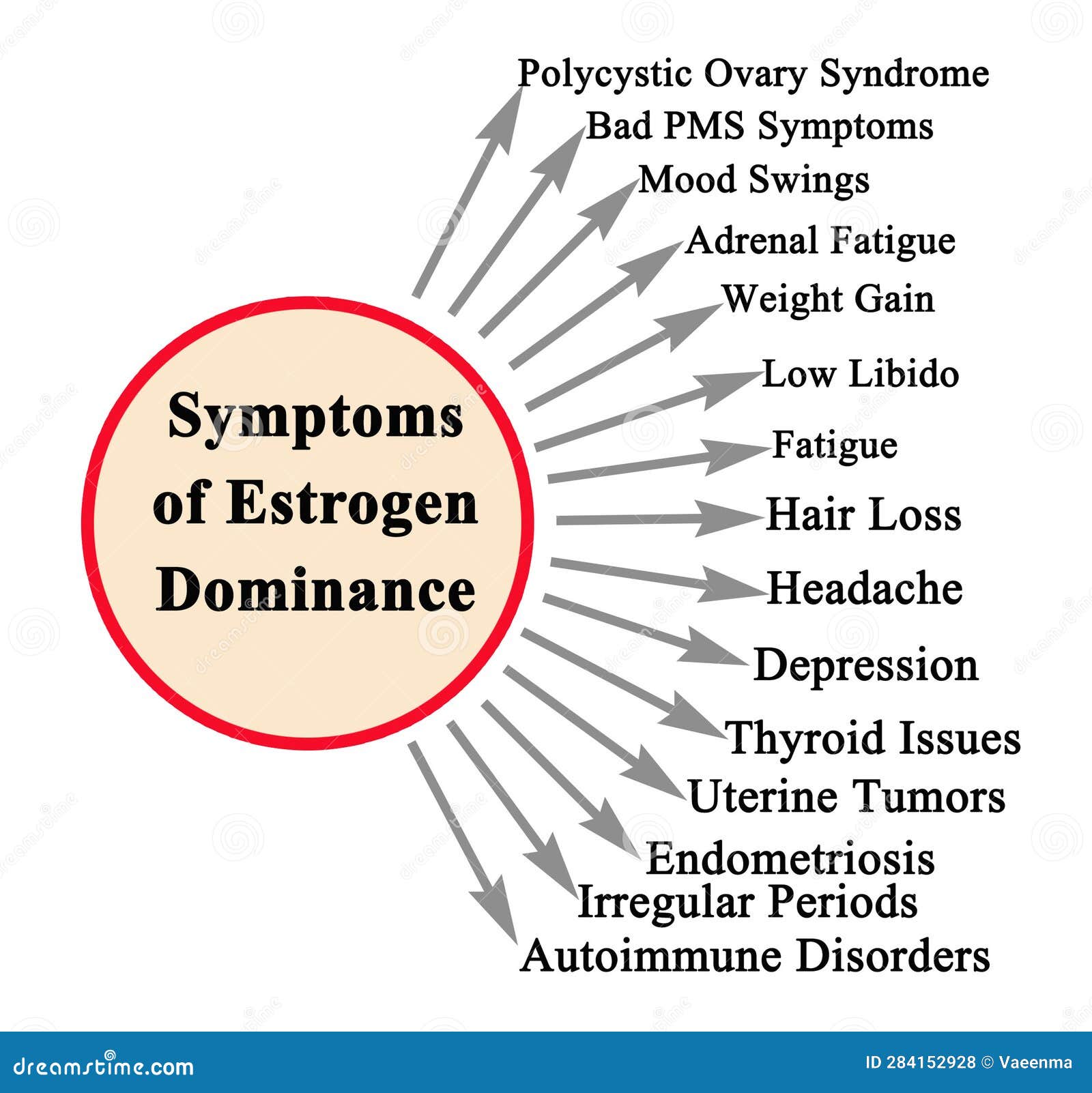
Morley Robbins said that estrogen is plan B for low ceruloplasmin.
Estrogen turns into an antioxidant that neutralizes oxidative stress building in a low copper body.
Too much estrogen wreaks havoc in the physiology of the body because it will elevate iron.
Apparently, fibroids and all growths come from iron interacting with too much estrogen.
The PAM enzyme must have copper, oxygen, real vitamin C, and likes a more acidic pH in order to work, so you might have to throw out your high alkaline water.
Luckily, raw animal foods that contain the vitamin C complex come with the copper-containing enzyme called tyrosinase that helps restore copper levels.
BTW, raw milk can help to regulate iron because it contains enzymes like ferroxidase and lactoferrin that are completely destroyed by pasteurization.
Morley mentioned that ferroxidase oxidizes ferrous iron and turns it into ferric iron, so that it can be stored in ferritin or attached to the transferrin protein to go back to your bone marrow.
Interestingly, iodine can do the same thing as ferroxidase and that's why people feel better because they are releasing stuck iron in their tissues, but ferroxidase gives off water and iodine doesn't.
I wouldn't take synthetic iodine or peptides and would focus on the health benefits of copper because there's a "blueprint" that runs metabolism and it runs on energy that's produced by the purple bacteria.
Purple bacteria: mitochondria are Ancient organisms.
Did you know another name for mitochondria is purple bacteria? That's because they are purple and behave similarly to bacteria.
We have about 50 quadrillion mitochondria (that's 15 zeros) in our body and just like bacteria, they do so many things to make our body function.
Mitochondria have a double membrane made of phospholipids and many bacteria have a lipid membrane, which controls how things are going in and out of the organism.
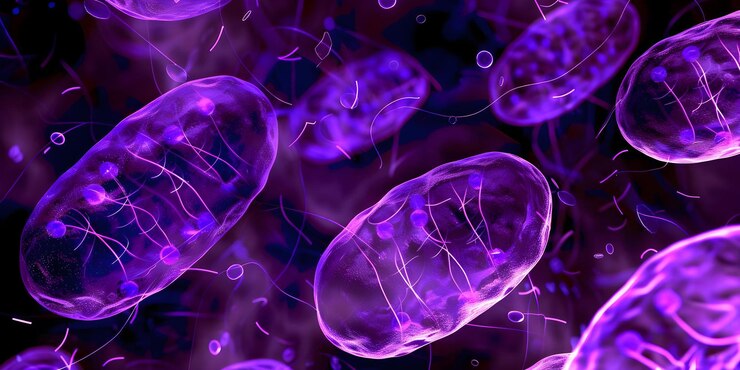
Mitochondria like bacteria may have the ability to sense the environment they are living in - like who's there, who isn't, and what should happen next.
Like bacteria, the mitochondria are heavily involved with making energy, but copper may be what's really directing their energy production.
The average cell has about 500 mitochondria, liver cell 2,000, kidney cell 4,000, heart cell has 10,000, and mature eggs in a woman's body has up to 600,000 mitochondria.
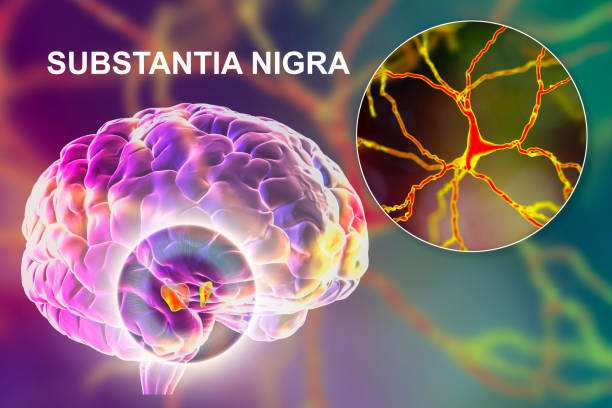
In the middle of your brain is the substantia nigra and it's suppose to have a whopping 2 million mitochondria per neuron - losing too many neurons sets the stage for Parkinson's.
How we evolved to a higher species is based on energy production that can utilize oxygen and iron that're both abundant to effectively produce energy.
Iron is important because it's carrying oxygen, but we need copper to be able to turn oxygen into water, which is the source of water for metabolism and deuterium may actually be a result of low copper.
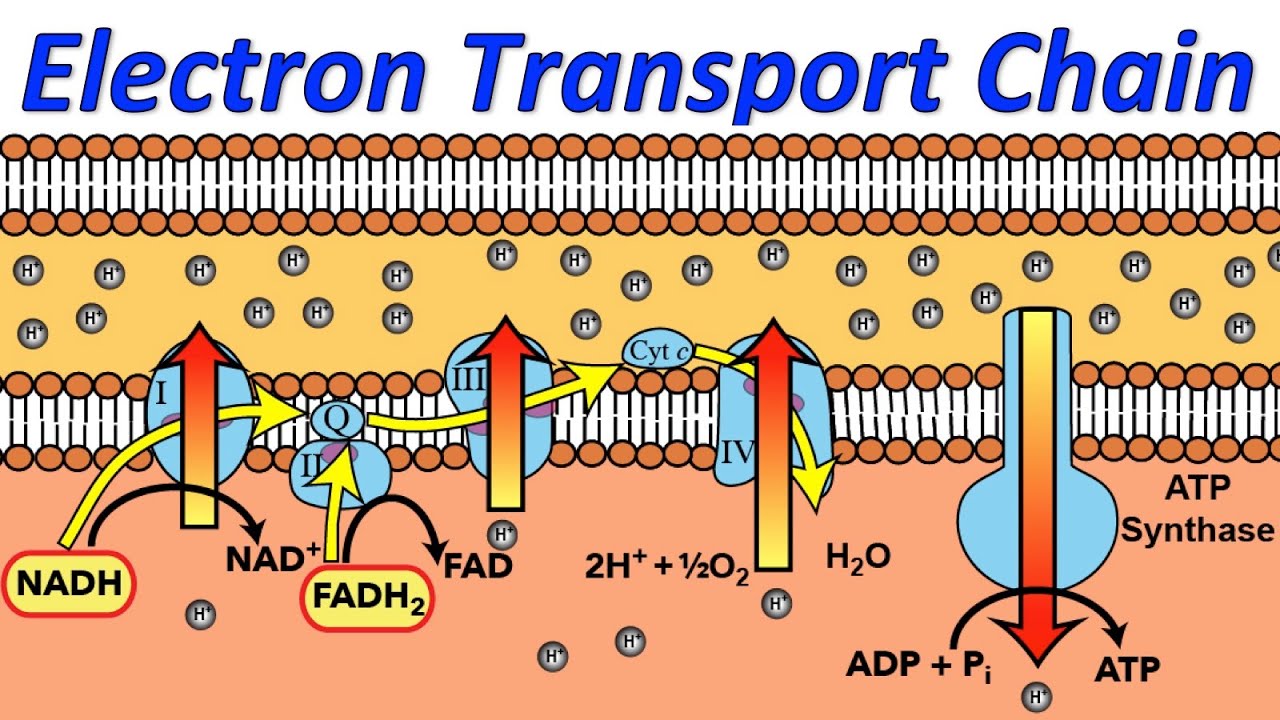
Inside mitochondria are a series of proteins that are loading electrons onto oxygen and loading hydrogen to create metabolic water.
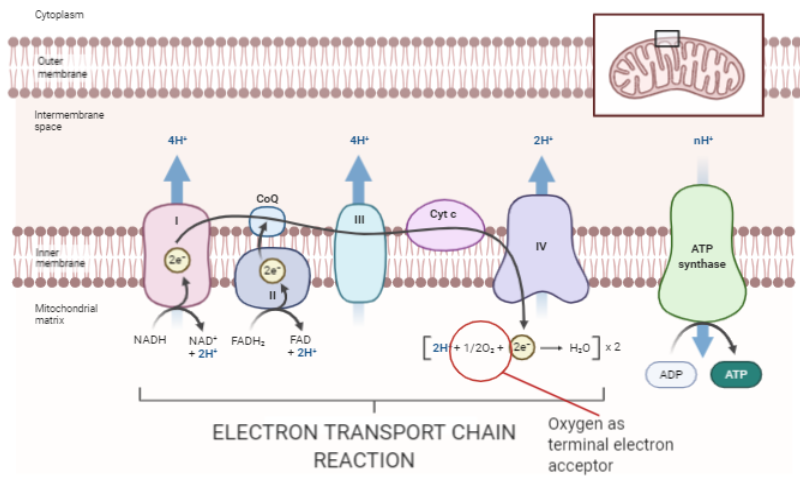
There are 5 complexes in the inner mitochondria that are involved in the electron transport chain. Complex 1, 3, 4, and 5 are very copper dependent.
Complex 4 or cytochrome c oxidase is extremely important because that's where oxygen is turned into water..
When minerals are at optimal levels, we can make water and once water is made, which implies a pH of 7, that releases the precursor to energy ADP.
Then ADP goes over to complex 5 that is the ATP synthase that are rotors that spin at 500 revolutions per second and are stacked like pancakes. They release 3 ATP after every spin, which also creates a vortex.
Along with making energy, mitochondria will recycle iron, recycle calcium, recycle amino groups, and make heme plus iron sulfur clusters.
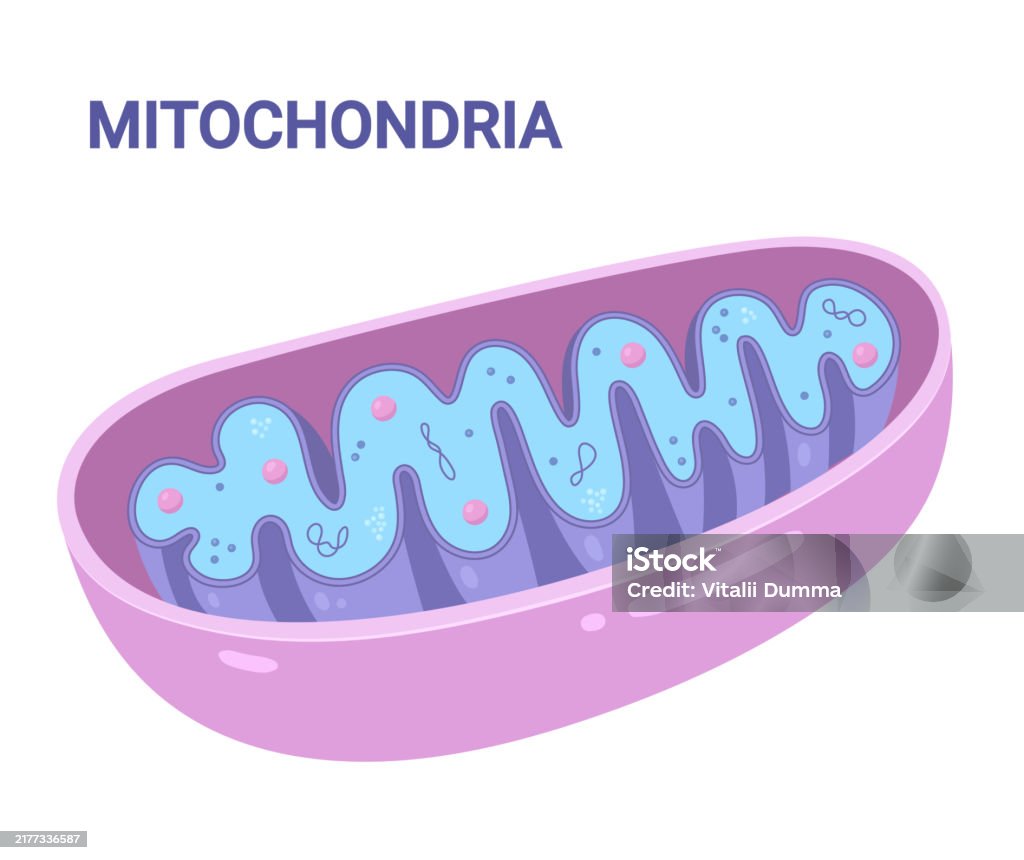
Inside each mitochondrial matrix is 50,000 atoms of copper.
Interestingly, blue tissue attracts red light and purple bacteria is a blending of blue and red.
Copper will have a magnetic attraction to sunlight and iron attracts "blue light" to the tissues.
95% of melatonin is produced in your mitochondria when you're exposed to sunlight or infrared light.
If mitochondria don't have enough copper, important copper enzymes like cytochrome c oxidase in complex 4 won't work right nor will the heme and iron cluster enzymes.
Iron is going to build up in the mitochondria and then in tissues like your pancreas, liver, bones, brain, and you will lose the ability to produce energy.
Too much iron affects mitochondria's ability to work with oxygen, and you will get hydrogen peroxide instead of metabolic water that creates a lot of oxidative stress and nasty free radicals.
Unregulated iron will also increase acidity and rust inside cells because of its reactive nature with oxygen.
Did you know that your recycling system only needs 1 mg. of iron per day?

There is a lot of confusion around the amount of iron we really need that seems to have started with a study done after the first world war.
This iron study was based on pregnant woman that are only about 1% of the population at any given time.
The study completely ignored the fact that hemoglobin appears to decrease around week 21 of a pregnancy, which is called hemodilution.
This study was used as the reason to declare that the rest of society is low in iron, which is ridiculous!
This started the iron fortification program, which ramped up in the second world war. In 1941, the UK, US, and Canada started adding iron filings to the wheat flour.
Around 1969, the FDA allowed a 50% increase of iron in our food, but we do not know what the original amount of iron was before this increase.
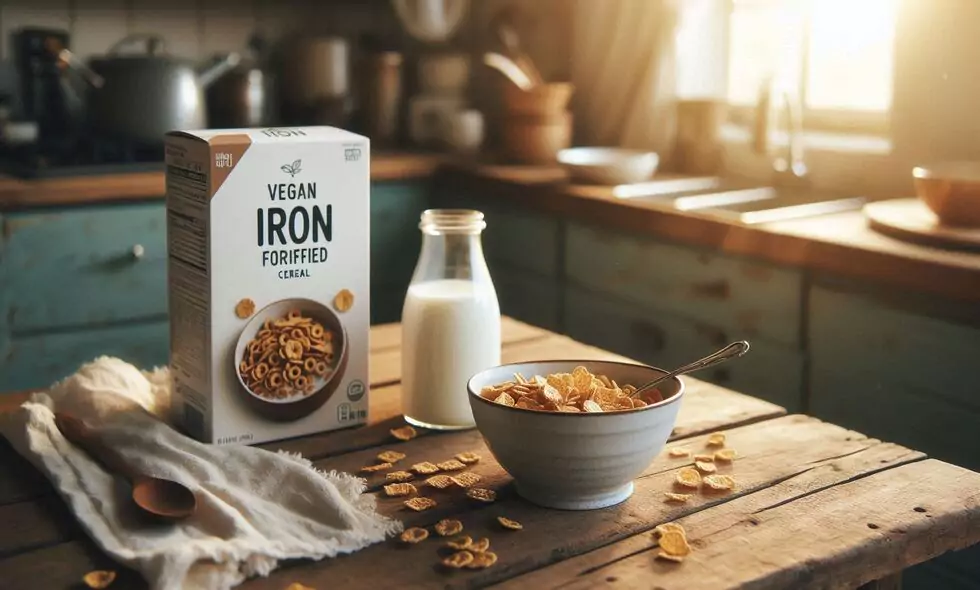
Today, the iron fortification program is completely out of control! They are adding iron to vegan food, cereals, baby formula, breads, orange juice, pasta, plant-based milks, commercial dairy, frozen foods, and supplements.
The main players of the iron recycling system involves your spleen, liver, and bone marrow. You can't run any of the recycling systems without copper!

Ferroportin is an iron doorway that's essential for recycling iron, but needs a copper doorman called hephaestin or ceruloplasmin to release iron.
In the course of a day, we replace about 200 billion red blood cells that requires 25 mg. of iron and 95% of that comes from the recycling system, which is 24 mg.
Only 1 mg. of iron is suppose to come from your diet, which was first identified by a team of British scientists in the 1930's.
Today, we live in a world that thinks we need a lot of iron when it appears nothing could be further from the truth, because the purple bacteria need the health benefits of copper in order to make energy.
Vitamin A aka retinol is another very misunderstood nutrient that's critical for energy production, but has been overshadowed by vitamin D.
Vitamin A: it makes copper bioavailable.
Copper is a fat-soluble mineral that needs fat-soluble vitamin A to make it bioavailable and contrary to some beliefs, vitamin A really only comes from the fat found in healthy animal foods.
BTW, the more synthetic vitamin D you take, the more you block uptake of vitamin A and your energy production.
There appears to be some distortion of the truth surrounding vitamin D metabolism because when the body is under oxidative stress caused by iron overload, one of the first things to go is B vitamins and magnesium.
Did you know the enzyme that makes vitamin D requires magnesium?
Morley Robbins said there's 13 studies that show vitamin D increases the storage of iron in the tissues and lowers the production of ATP that relies on a steady supply of magnesium.
Does it make sense to keep taking synthetic vitamin D because you can't metabolize vitamin D because of too much iron?
The best way to get vitamin D is getting enough sunlight. Morley mentioned that we are able to store vitamin D from the sun for about 6 months, so you can stock up during the warmer months.

Whenever you get enough sunlight especially into your eyes, not only will you activate vitamin D, but you will stimulate the breakdown of vitamin A into retinoids, so the regulating functions of vitamin A can begin to take affect.
Retinoids activate enzymes ATP7A and ATP7B, which load copper into the copper enzymes that include the PAM enzyme and ceruloplasmin. Actually, there are hundreds of enzymes that are copper dependent.
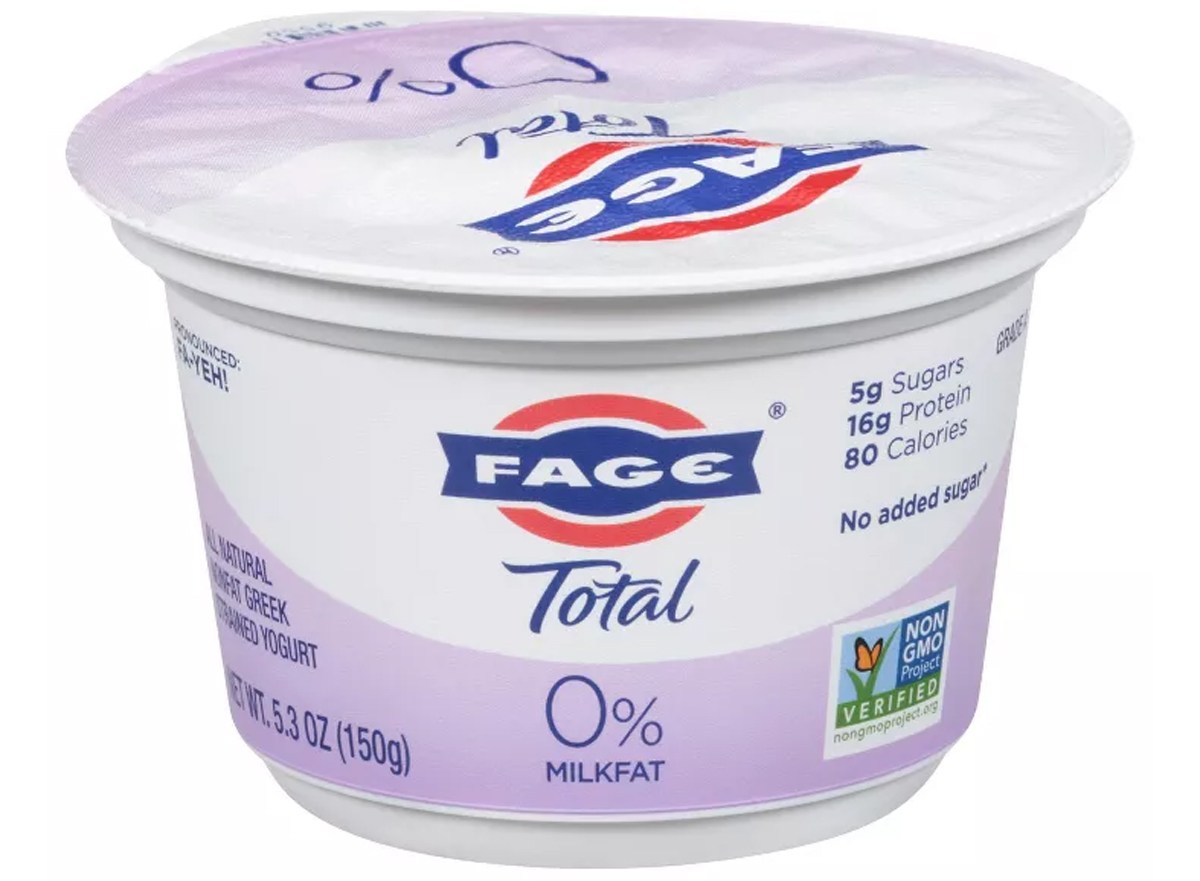
I've noticed that some influencers are into low fat, high protein dairy products that may come with synthetic vitamin D.
Sadly, you can not absorb copper if you don't have fat in your diet and you can't metabolize fat without copper.
It's a catch-22, which is a problematic situation.
Weston A Price the man who studied healthy traditional diets mentioned the indigenous people consumed at least 10 times the amount of vitamin A than Americans of his time, which was about a hundred years ago.
Vitamin A is essential for the recycling of iron and if you don't have enough vitamin A because of a low fat diet, you can't power up copper to make it work in your mitochondria or regulate sugar.
Electrons ride on the hydrocarbon tail of vitamin A to get from complex 3 to complex 4 in the mitochondria. If you don't have enough vitamin A, this sets the stage for the Warburg effect, which is less efficient ATP production and can lead to cancer.

Vitamin A deficiency symptoms: Night Blindness, Overall Blindness, Bone Deformities, Growth Problems, Tooth Problems, Birth Defects, Rough and Dry Skin, Goose Flesh, Psoriasis, Auto Immune Disease, Increased Infections of Respiratory System, Increased Infections of Digestive System, Thyroid and Adrenal Dysfunction, Heart Disease, Cancers, and Diabetes.
Vitamin A plays a key role in glycolysis, which is the creation of energy from glucose and a deficiency will reduce storage of glycogen in your liver that is going to make you prone to hypoglycemia or more frequent hunger.
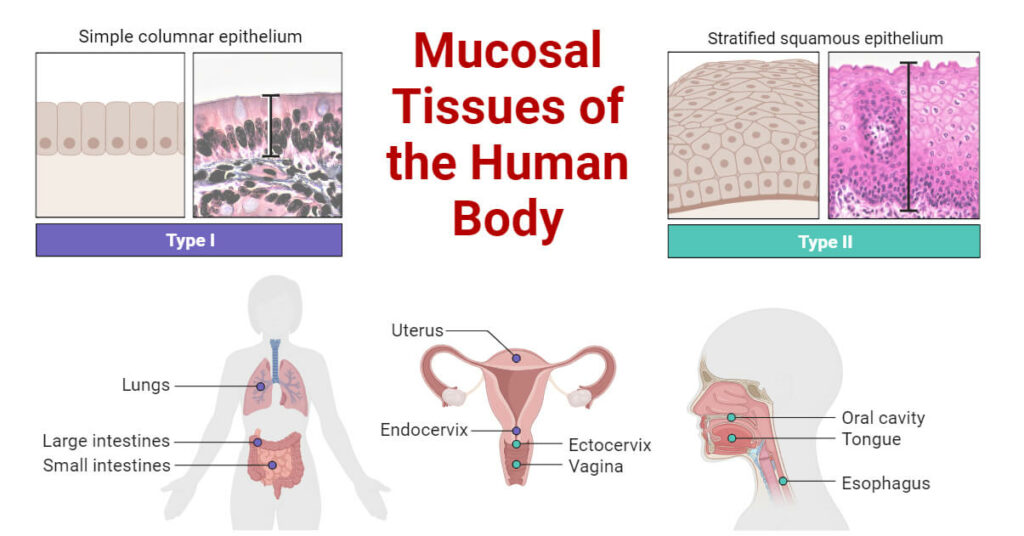
Your body uses vitamin A to produce healthy mucous membranes found in the nose, throat, mouth, lungs, stomach, intestines, urinary tract, and vagina.
Vitamin A regulates the action of over five hundred genes in the body that makes it a major regulator of our cells and how they function, which starts at conception.
Vitamin A is critical to have good eyesight, strong bones, straight teeth, and is needed for our hormones. A diet rich in vitamin A seems to result in better bone structure, better immunity, and an even steady growth.

Also, growing children appear to actually benefit from a diet that contains more calories from fats rich in vitamin A than from protein.
It's been discovered that the richest source of vitamin A is the retina and the tissues in the back of the eyes - hence the name retinol aka true vitamin A.
Artificial blue light from "devices" destroys vitamin A receptors, so I would limit exposure by using night mode screen filters, incandescent light bulbs, and blue-light blocking glasses.
Morley mentioned that vitamin A showed up way before vitamin D and is a light sensor. He said that vitamin D is a light filter sort of like sunglasses. Isn't that ironic?

This will deplete vitamin A: Loads of Stress, Very Cold Weather, Antibiotics, Computer Screens, Fever & Illness, Extreme Physical Exertion or Exercise, Dioxins from Cigarette Smoke, Pesticides, and Other Toxins.
Synthetic Vitamin D, Cholesterol Lowering Drugs, Intestinal Problems like Celiac Disease, Low Fat Diets, and Excessive Lean Protein Intake.
Fat Substitutes, Processed Foods, Seed Oils, Cooking at High Temperatures for Too Long, and Diets that Restrict Animal Foods.
Believer it or not, there's a campaign to make you afraid of vitamin A and all the foods that contain a good amount of this vitamin.
The anti-vitamin A campaign began in 1955 and to this day we have doctors warning patients to avoid consuming too much vitamin A, which was based on flawed research and possibly synthetic vitamin A.
Today, people think that beta carotene is the same as vitamin A, which is not true. A percentage of beta carotene may be converted into vitamin A, but you'll need copper to do that, which is another catch-22.
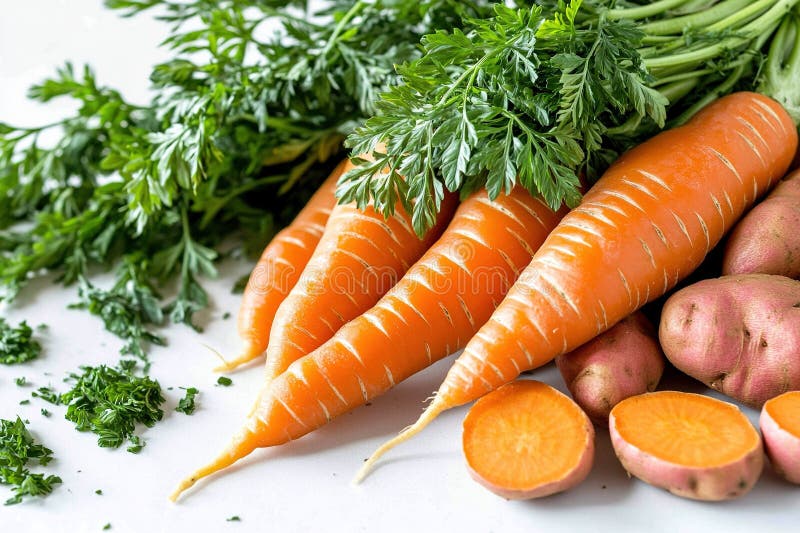
Foods high in beta carotene are carrots, butternut squash, sweet potatoes, pumpkins, cantaloupe, red peppers, apricots, and yellow corn.
Also, high are dandelion greens, kale, mustard greens, collard greens, basil, romaine lettuce, spinach, broccoli, paprika, and palm oil.
Only seafood and animal foods contain the ready-to-use form of vitamin A and it's present in large amounts when animals have the correct diet such as green pastures and insects.
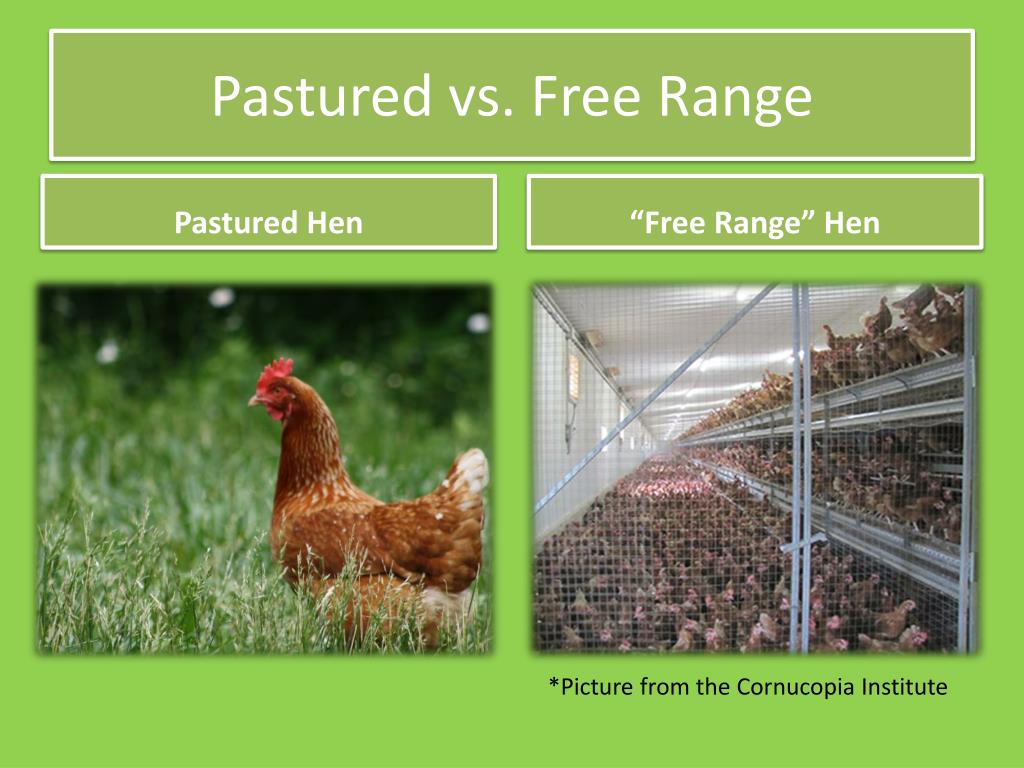
Industrialized farming practices for the most part prevent a decent amount of vitamin A from being formed because animals are usually confined and don't have access to their natural diet or sunlight.
Not surprisingly, breast milk contains vitamin A, but no vitamin D. Breast milk also has copper enzymes like the master antioxidant ceruloplasmin and lactoferrin that binds up iron, when the mother-to-be has an adequate diet.
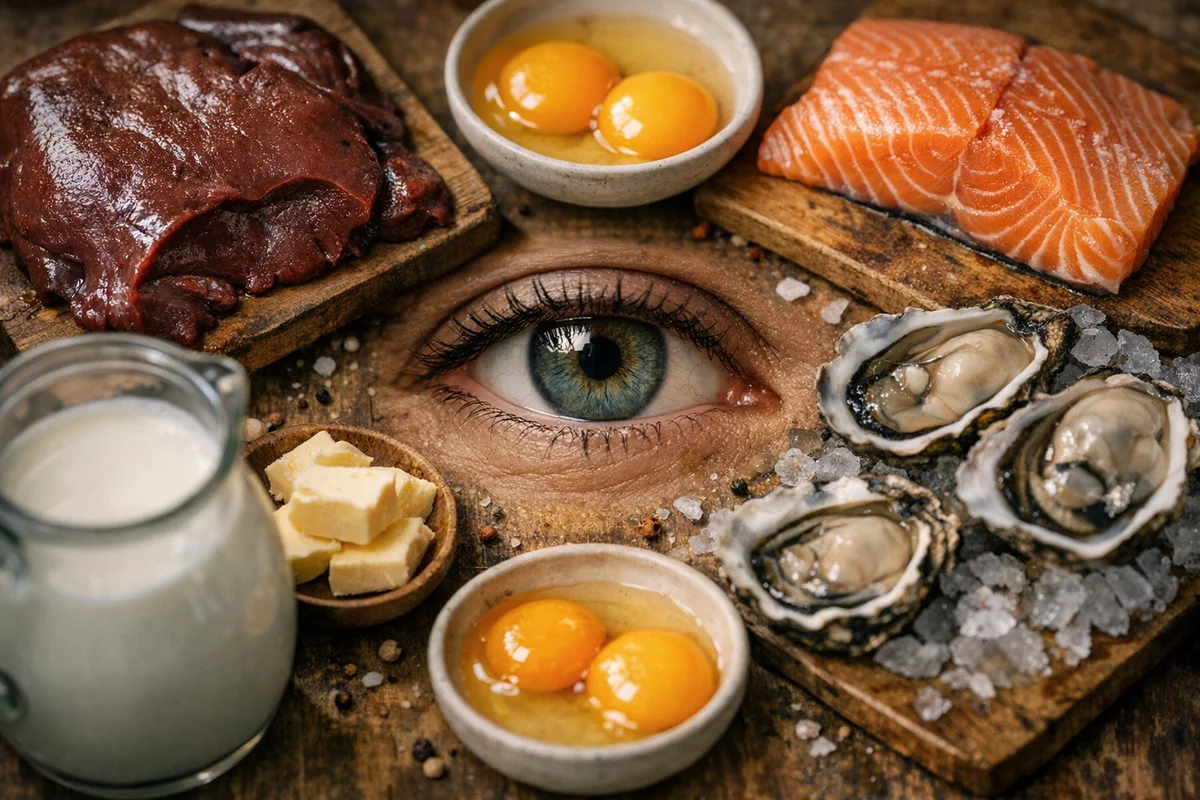
Food high in vitamin A: Pastured Egg Yolks, Grass Fed Livers, Grass Fed Raw Whole Milk, Grass Fed Raw Butter, Grass Fed Raw Cream, and Grass Fed Raw Full-Fat Cheese.
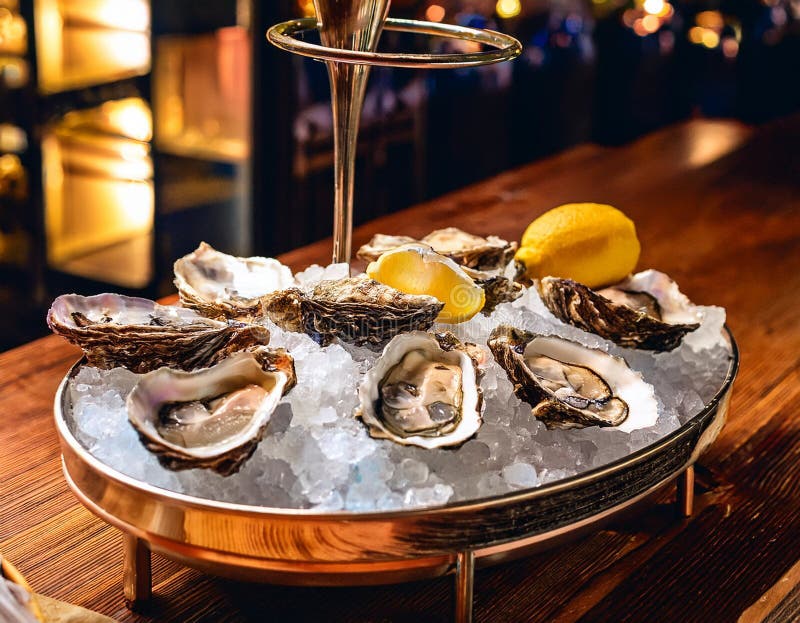
Naturally Grown Oysters, Wild-Caught Shellfish, Wild-Caught Fish Heads with Eye Balls, and Wild-Caught Fish Eggs or Dried Fish Eggs.
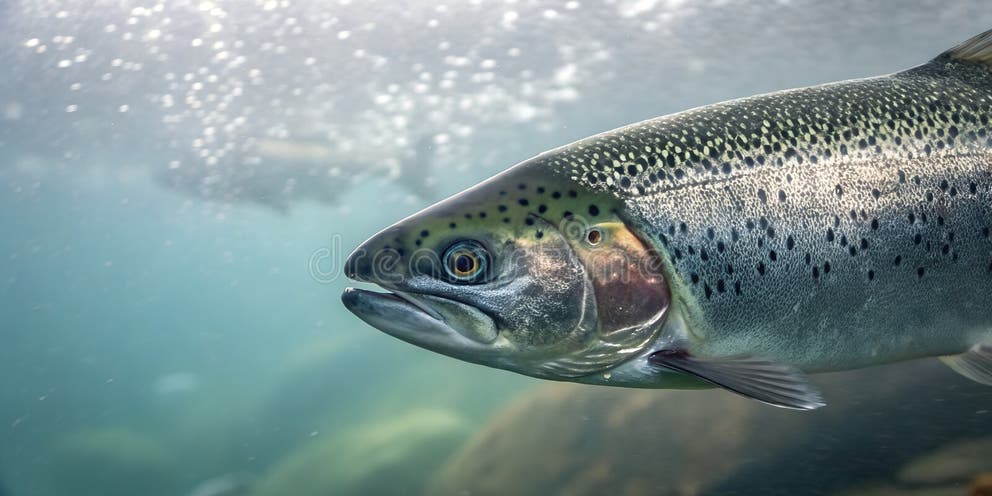
Fatty Cold Water Fish like Wild-Caught Trout or Salmon, Wild-Caught Fish Livers, and High Quality Cod Liver Oil that can be taken as a supplement.
BTW, temperatures above 104 degrees F. will begin to slowly degrade and break down vitamin A, which is why I avoid pasteurized dairy foods.
Liver is designed to be a storage for vitamin A and copper, but these days it has become an iron depot.
The less copper you have in the diet, the more iron will accumulate in the liver. Unfortunately, this also applies to the animals that we eat.
Best sources of copper: are regeneratively grown and raised foods.
Regenerative farming practices will bring back nutrient dense foods that contain the health benefits of copper like our ancestors use to have.
Our ancestor's diet included some of the best sources of copper from nutrient dense foods that came from goats and other ruminant animals.

It's important that the grass or forage animals eat was grown in soil that has enough copper and other minerals, so they can pass these nutrients onto us.
Organ meats were highly important to the indigenous people because they have a lot more purple bacteria and copper is hanging out there.
The more bioavailable the copper, the more likely you're going to be able to make energy in your purple bacteria. Raw liver can contain ceruloplasmin, other copper dependent enzymes, vitamin A, and the B vitamins.
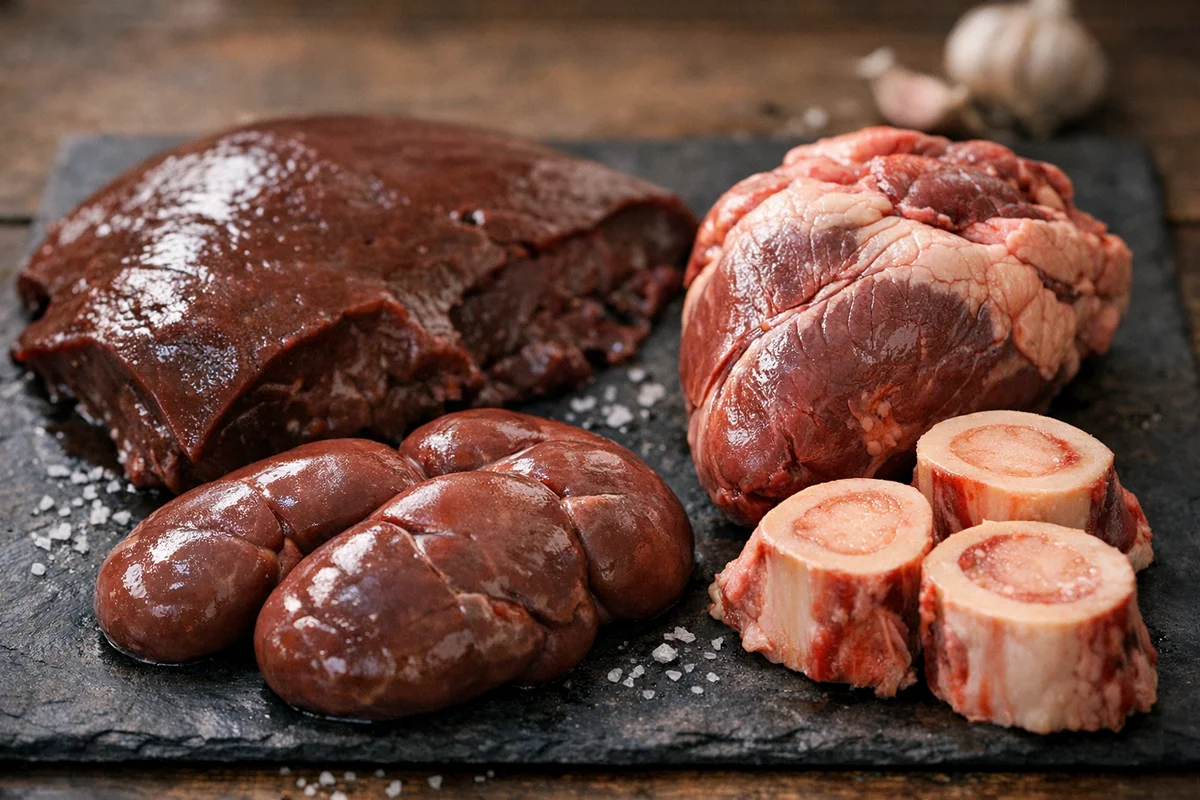
The Best Sources of Copper: Grass Fed Livers, Grass Fed Brains, Grass Fed Hearts, Grass Fed Kidneys, and Grass Fed Bone Marrow.
Seafood: Naturally Grown Oysters, Wild-Caught Squid, Alaskan King Crab, Wild-Caught Lobster, and Naturally Grown Mussels.
Organic Grains, Seeds, and Nuts: Spelt Wheat, Buckwheat, Sesame Seeds, Pumpkin Seeds, Sunflower Seeds, Hazelnuts, Pistachio, and Brazil Nuts.
Organic Legumes and Vegetables: Soybeans, Cashews, Garbanzo Beans, Lima Beans, Lentils, Potatoes, Mustard Greens, and Kale.
Organic Fruits: Sun-Dried Tomatoes, Guava, Avocado, and Pomegranate.
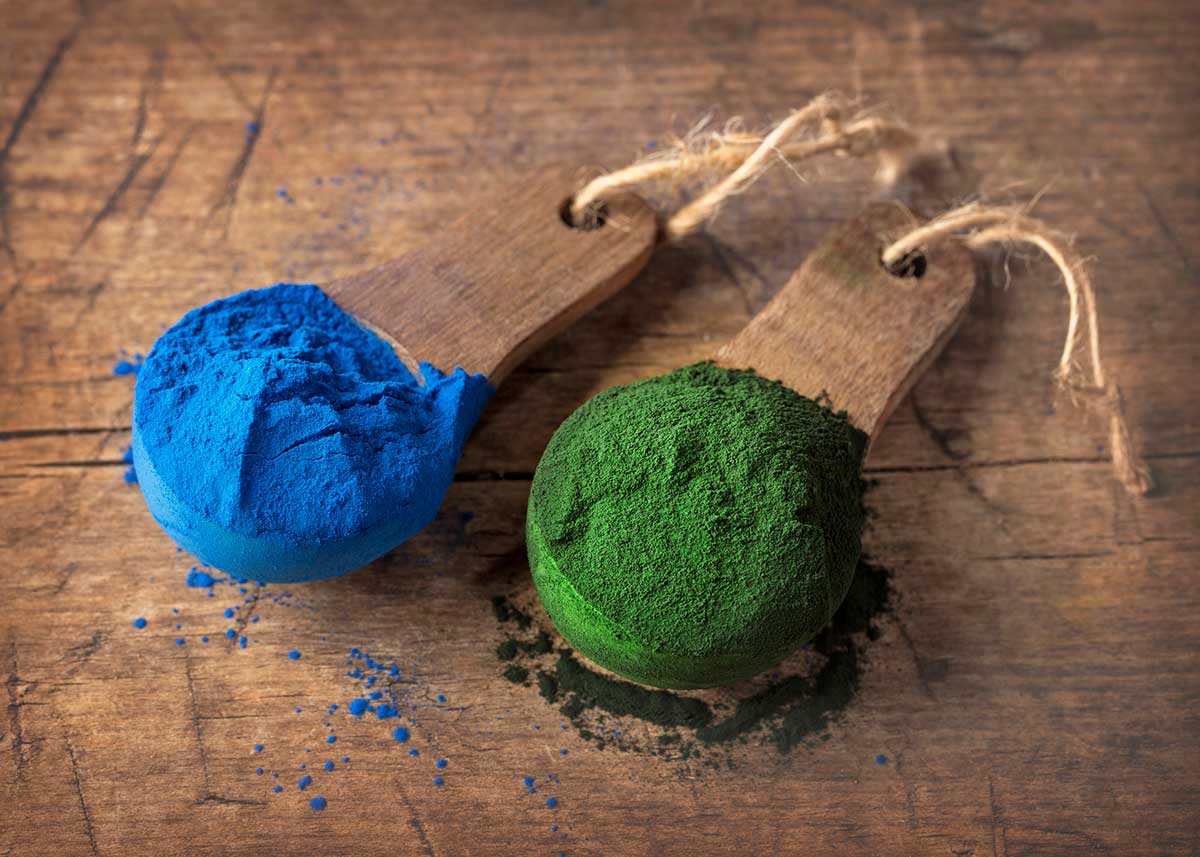
Other sources of copper: Dark Chocolate, Spirulina, Shitake Mushroom, Bee Pollen, and Alfalfa Hay that are all organic of course.
Morley Robbins mentioned that our nutrient tables have not been updated since the 1950's, so keep this in mind when you look these foods up.
Please don't think you can run down to the dollar store or "the equivalent" to buy copper rich foods because nutrient dense foods cost quite a bit more.
Coffee has a little bit of copper and the best way to drink coffee may be to take a shot of Espresso that will have about 200 to 300 micrograms of copper.

Espresso is a more concentrated coffee drink that may contain only half the amount of caffeine compared to a regular 8-ounce cup of coffee.
Espresso is made with an espresso machine that allows hot water and finely ground coffee beans to be brewed under high pressure that creates a much stronger tasting and creamier drink.
Espresso and regular coffee can actually be made using the same coffee beans, so its more about the brewing method that's different.
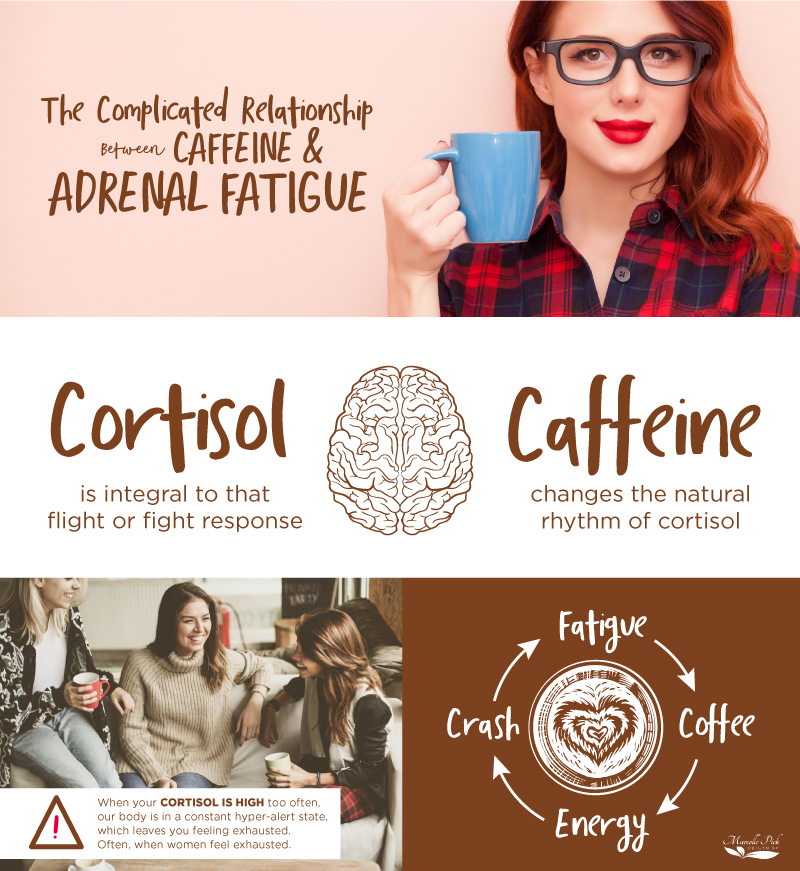
Unfortunately, your cup of coffee usually contains too much caffeine and caffeine can remove copper along with minerals like magnesium from your body.
Caffeine has a direct impact on adrenal glands, which makes them release cortisol and adrenaline that gives you that "rush" associated with drinking coffee.
What is a great way to create adrenaline dominance and burn out? Yep, too much caffeine and stress!
Exhausted adrenals will cause a decrease in ceruloplasmin production and result in less copper that's available to make energy for the body, which is the catch-22 of coffee.
If after drinking a cup of coffee, you experience rashes, nausea, spaciness, or become irritable, you might have depleted too much copper from your body.
Our ancestors had a lot more copper in their body because they didn't have the enormous amount of copper depleters like we have today.
The copper depleters: modern-day farming is a major depletor!
Modern-day farming is probably the biggest depleter of the health benefits of copper because of the use of industrialized fertilizers and toxic herbicides like glyphosate.
NPK is one of the most widely used fertilizers for commercial farmers and may actually be by-products from World War I and it blocks copper uptake in the root system of plants.

Unfortunately, the amount of copper in our organ meats and other foods has changed in the last 50 to 100 years because of these farming practices.
Now there could be more iron than copper in some of the foods that use to be the opposite. Be careful, where you buy your foods!
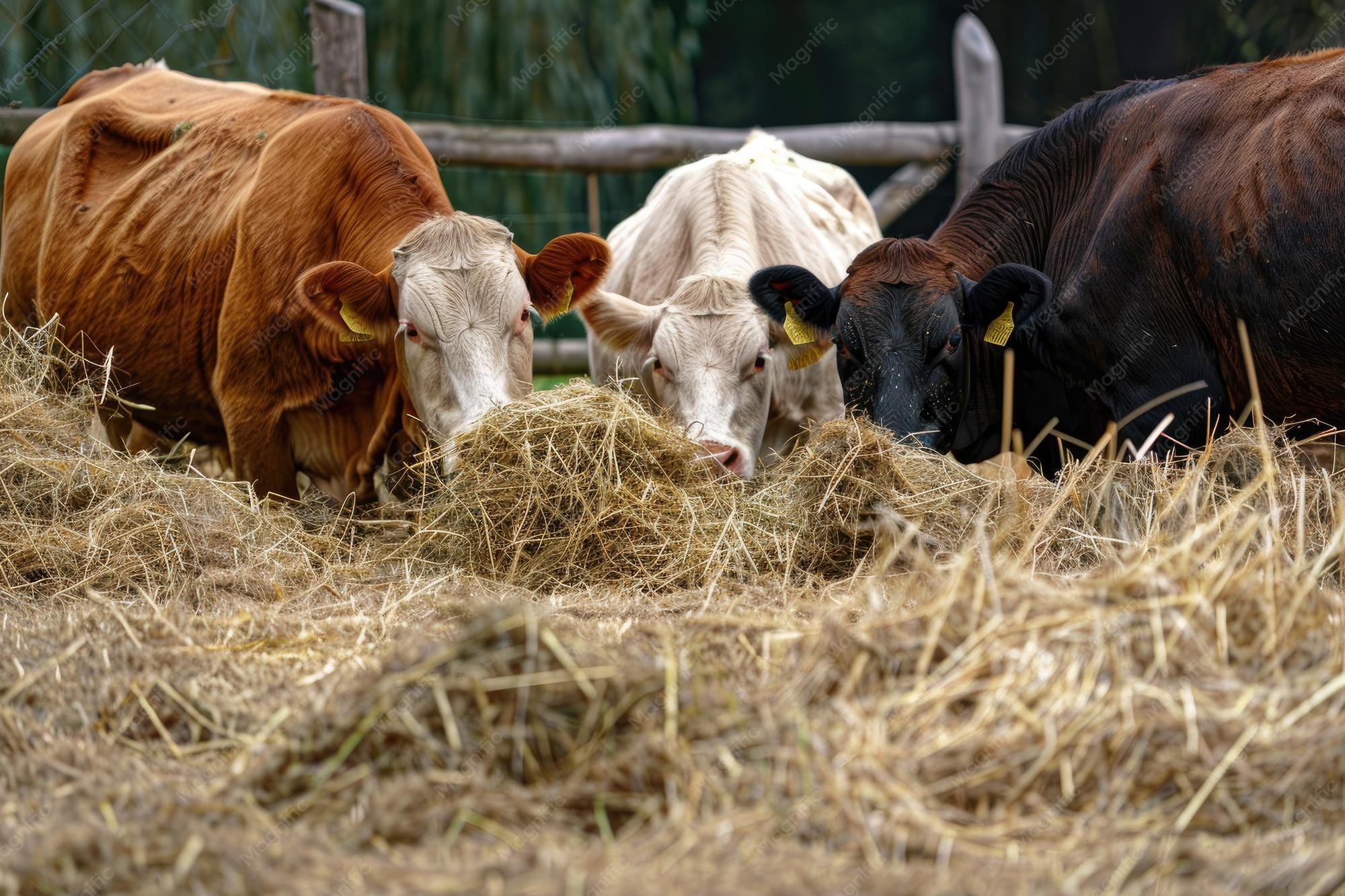
Farm animals may be deficient in copper due to pastures or hay that are too high in sulfur because of sulfur based fertilizers that will create low levels of copper in the soil.
Animal feed that contains sulfur in antagonistic amounts like corn gluten feed, corn gluten meal, distillers' grains, soybean meal, and cottonseed meal also creates a copper deficiency in farm animals.
Copper is an essential mineral for farm animals and if you take copper out of an animal's diet, iron is going to fill into their liver.

The meat from goats will generally have a higher amount of copper than cattle because they do require more copper in their diet.
The last farm we visited fed their goats a lot of good quality alfalfa hay and their goats were magnificent. The best liver I ever tasted with no metallic taste.
Please be aware there is such a thing as glyphosate-resistant plants that are engineered to be tolerant of the herbicide glyphosate, which includes alfalfa, soybeans, some cotton, and corn.
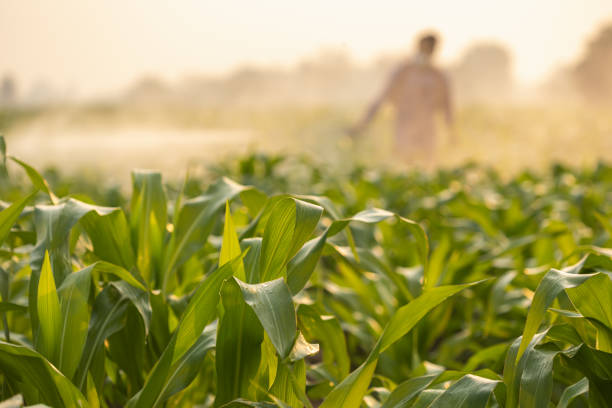
Glyphosate is the most widely used herbicide in the world and is often cited for its ability to kill weeds. Unfortunately it's also an absolute mineral chelator!
Not surprisingly, the patent for glyphosate was around chelating minerals and then it became an antibiotic, and then it became an herbicide.
Our food system has been heavily compromised ever since the use of this copper depleter, which was introduced to agriculture worldwide in 1987 and its use has steadily increased.
BTW, glyphosate chelates copper a thousand times faster than iron or zinc.
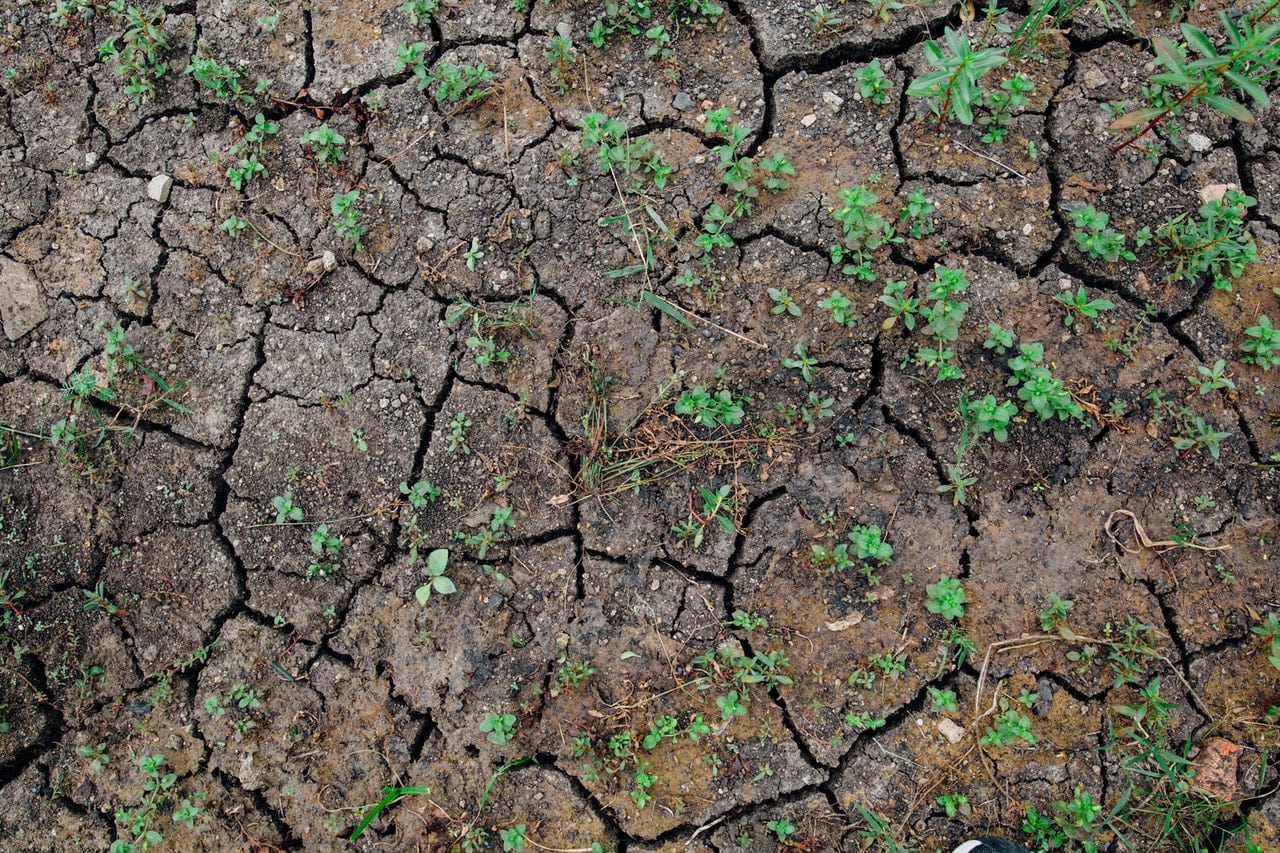
And it also interferes with the micro-organisms in the soil that make the minerals usable for crops and this will significantly reduce the amount of minerals found in your food.
When you interfere with soil micro-organisms with toxic herbicides, you slow down decomposition of plant matter, which leads to soil compaction and reduced aeration.
Without adequate organic matter, the soil will struggle to retain water that increases the risk of erosion and runoff, which leads to mineral-depleted soils that need even more herbicides and synthetic fertilizers.
Glyphosate is killing the soil and is a perfect copper chelator, which is quickly removing copper from our soil more than any other mineral!
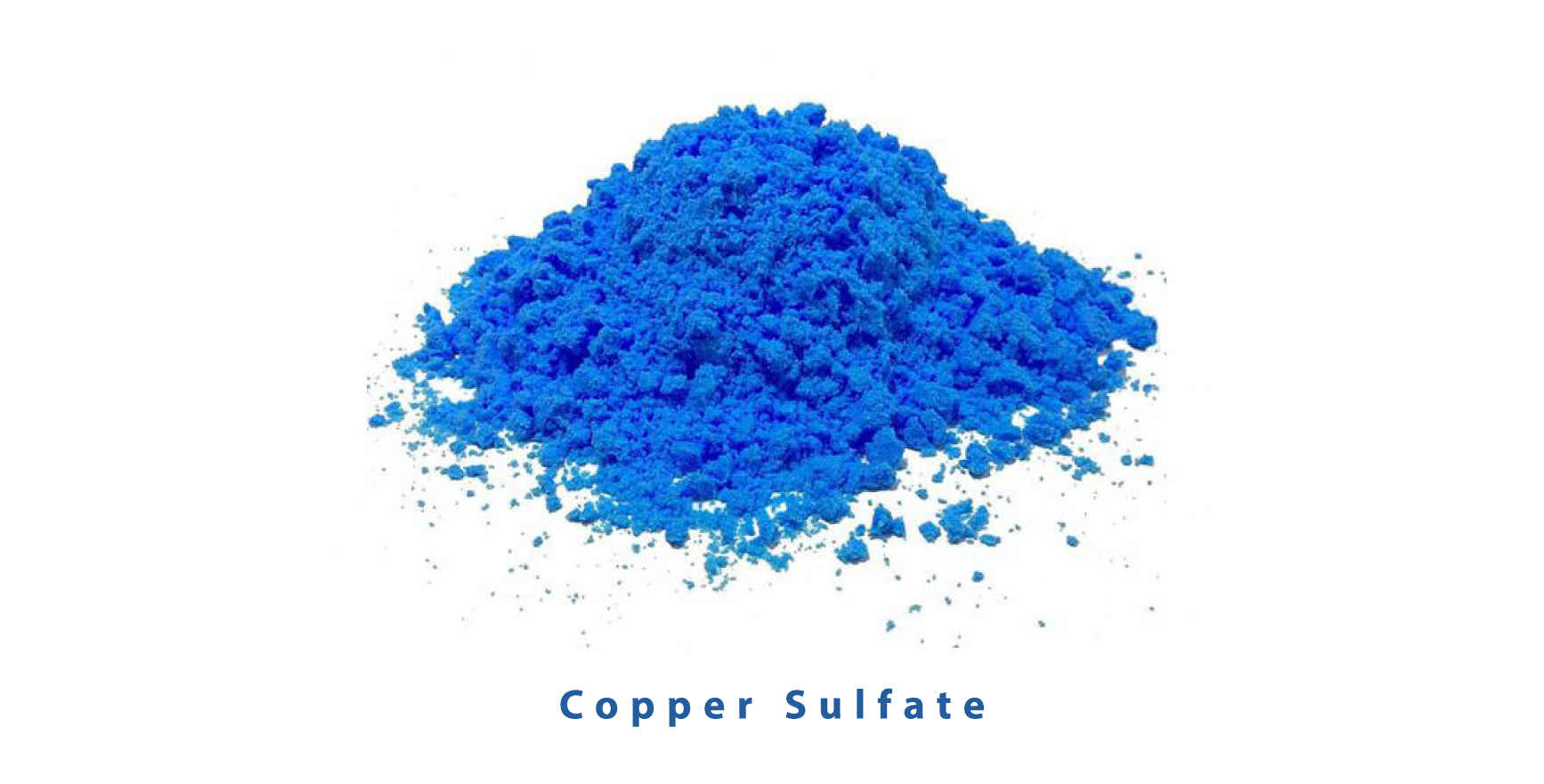
Morley Robbins believes that it will take 10 to 15 pounds of something like copper sulfate per acre for 7 1/2 years to restore copper after the use of glyphosate and the copper that was taken out of the soil.
Photosynthesis doesn't work without copper that's moving electrons and photons from one enzyme to another that creates energy and frees oxygen.
Oxygen can't be released into air without photosynthesis - let that sink in!
Modern-day life is another big copper depleter.
When you eat copper-depleted foods that are grown with herbicides, you will also mess up your gut microbiome, which may eventually look like a desert.
Without enough microbes, there could be an increase in iron absorption. A study with mice treated with antibiotics (glyphosate is an antibiotic) saw an increase in iron absorption.
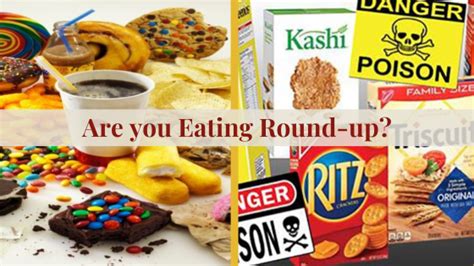
Commercial packaged foods are a big depleter of copper because they are usually contaminated with glyphosate also known as Roundup.
Packaged foods often use tyrosinase inhibitors that act as a preservative.
Tyrosinase is an important copper enzyme and is a co-factor that's needed to make your melanin. Apparently, iron doesn't accumulate in tissue that has melanin.
If the substantia nigra in your brain doesn't have melanin, it fills up with iron. which is very bad for your neurons.
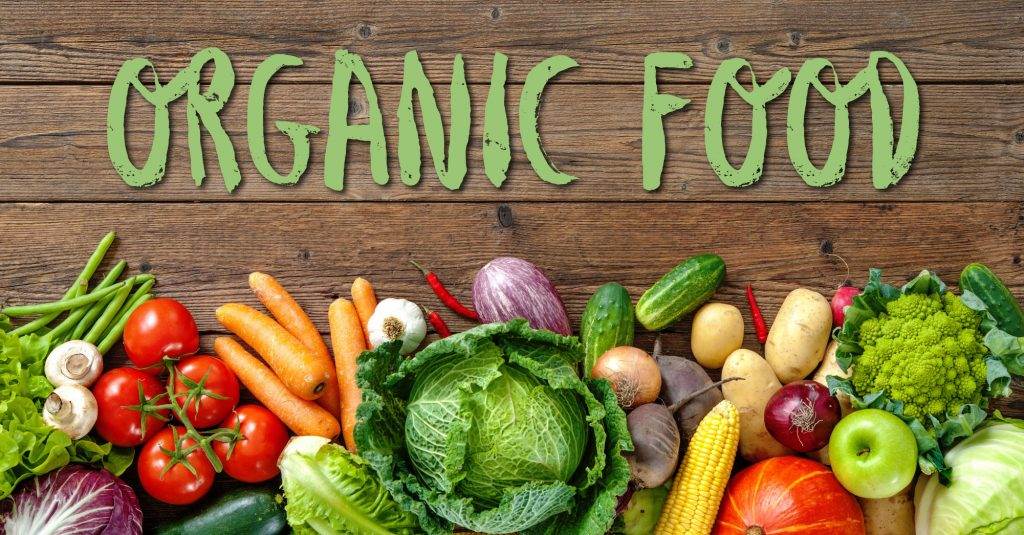
Organic produce has on average 5 times the mineral content compared to conventional produce, which is often sprayed with copper depleters.
Presently, organic farmers are allowed to use glyphosate, but they are not allowed to spray glyphosate on plants right after harvest, which is what happens too often with modern-day farmers.
You might want to start buying food from farmer's markets, reputable health food stores, and learning how to grow your own food, so that you can get the health benefits of copper.
It appears that modern-day farming, food processing, and big pharma are all sucking copper right out of our bodies.
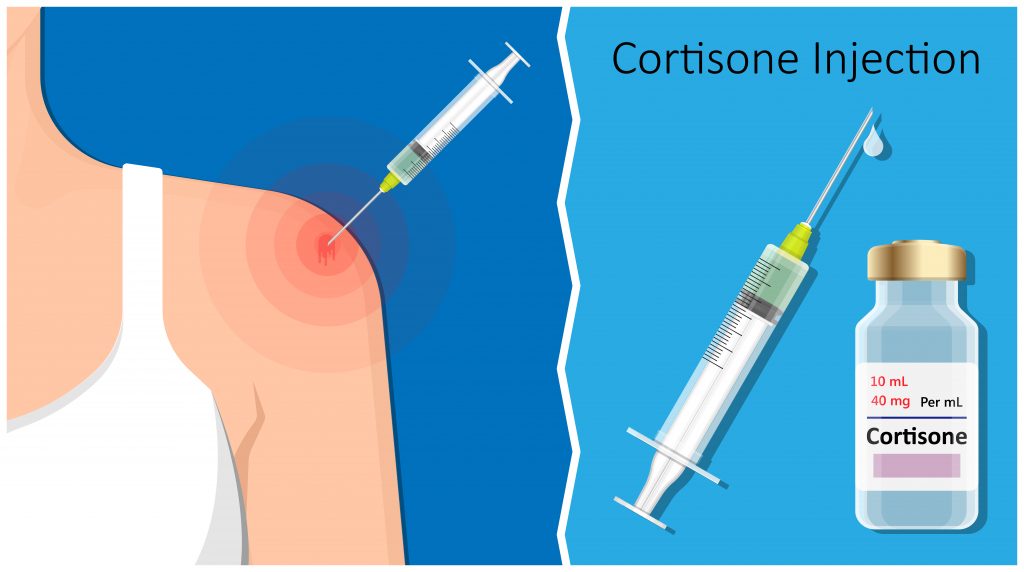
Prolonged cortisone treatments has been shown to increase the body's excretion of copper.
Vaccinations are one of the most effective ways to deplete copper from your liver - where the copper protein ceruloplasmin is produced.
Statins are medications that reduce cholesterol that chelate copper right out of your body.
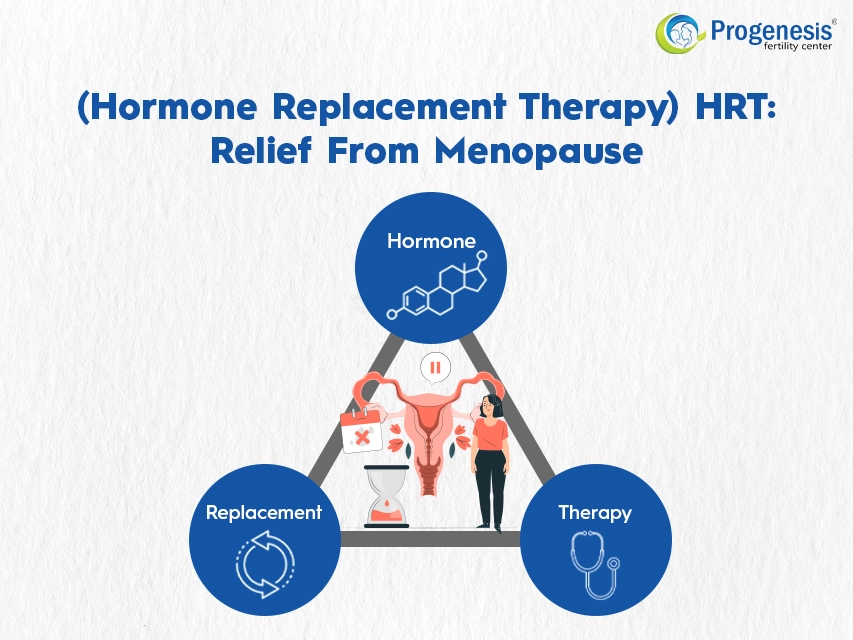
Antibiotics and hormone replacement therapy blow up ceruloplasmin. Colloidal silver also destroys copper, which I see in a lot of toothpastes.
Vaccinations, antibiotics, statins, marijuana, drugs, alcohol, heavy metals, and anything that's toxic to your liver impairs your ability to produce the major transport protein for copper, which is ceruloplasmin.
Being exposed to all of these copper depleters is probably why we have so many extreme diets that are unknowingly trying to fix the deficiency of copper, but eventually become a problem too.
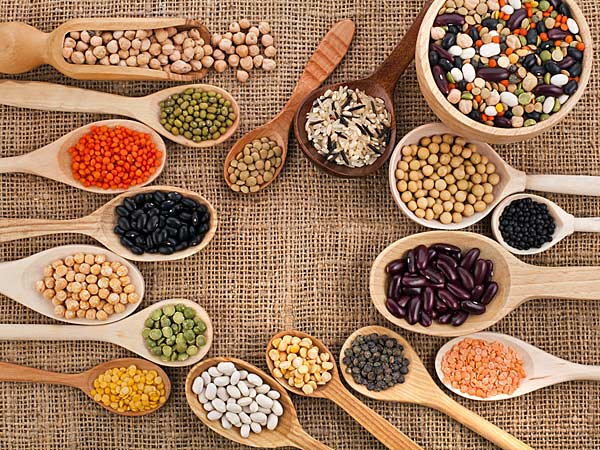
Vegan and vegetarian diets are naturally higher in fiber and molybdenum, which can reduce copper uptake. Also, diets that are too alkaline can be a problem for the uptake of copper.
These plant based diets are often way too high in carbohydrates and high blood sugar blows up ceruloplasmin and then its copper comes out, which gets oxidized.
Sugar seems to have a toxic relationship with iron especially fructose and high carb diets may deliver a lot of iron to cells. BTW, artificial sweeteners also make ceruloplasmin lose its copper, except for stevia.
Remember, copper needs vitamin A to be made bioavailable and it really only comes from animal foods.
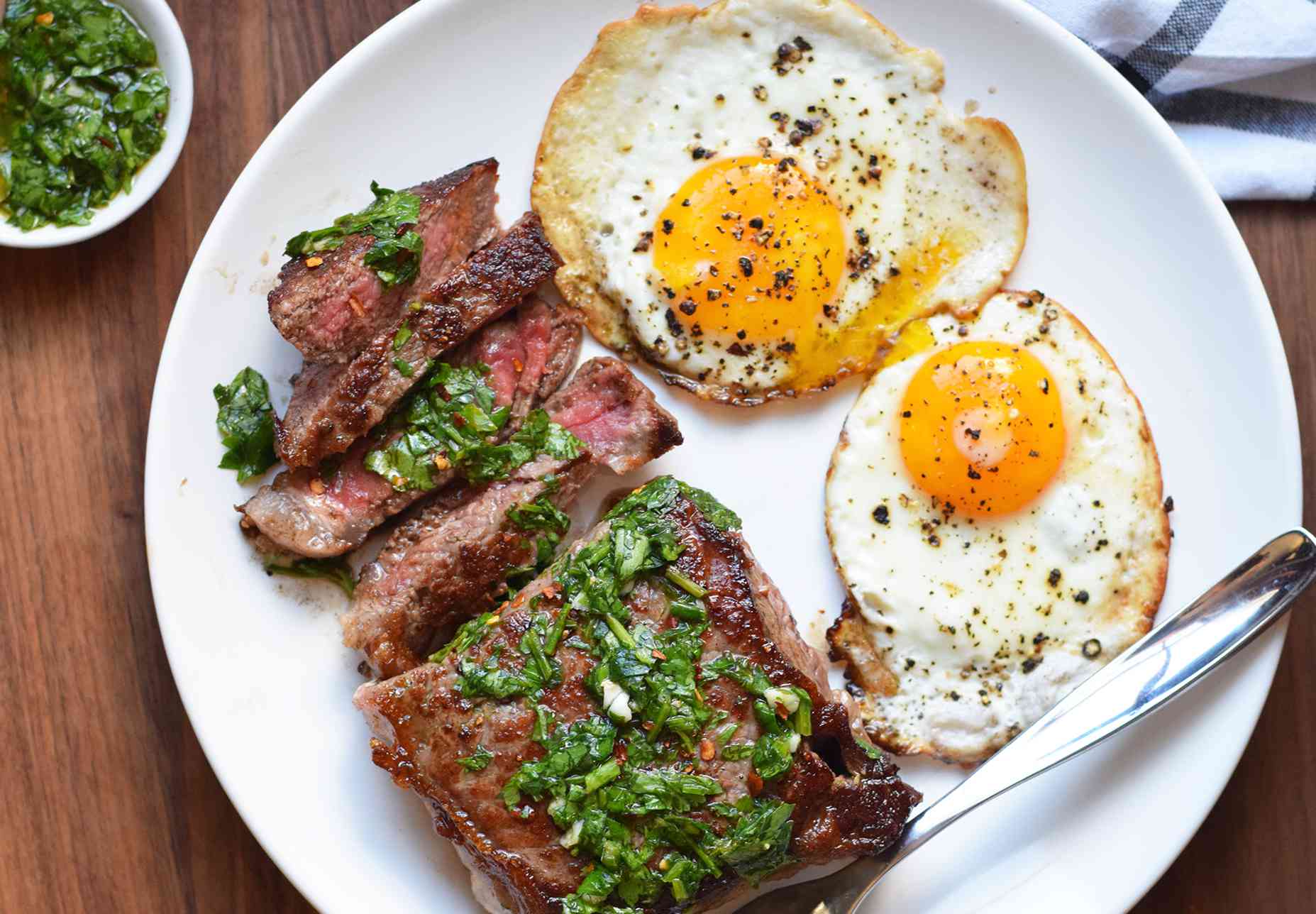
On the flip side, you have the people that focus too much on protein and removing most of the plant foods from their diet.
Eating a lot of red meat, that has a good amount of iron, could lead to too much acidity in your cells.
When potassium is low in your cells because you eat too much salt and not enough potassium rich foods - this lets more iron into your cells.
Morley did say that the carnivore, low carb, and keto diets may be able to fix high iron levels because they can provide nutrient dense foods that have enough of the fat-soluble mineral copper and vitamin A.
I'd make sure to eat enough foods that will give you the health benefits of copper and stop trying to fix your "energy" problems by taking man-made supplements.
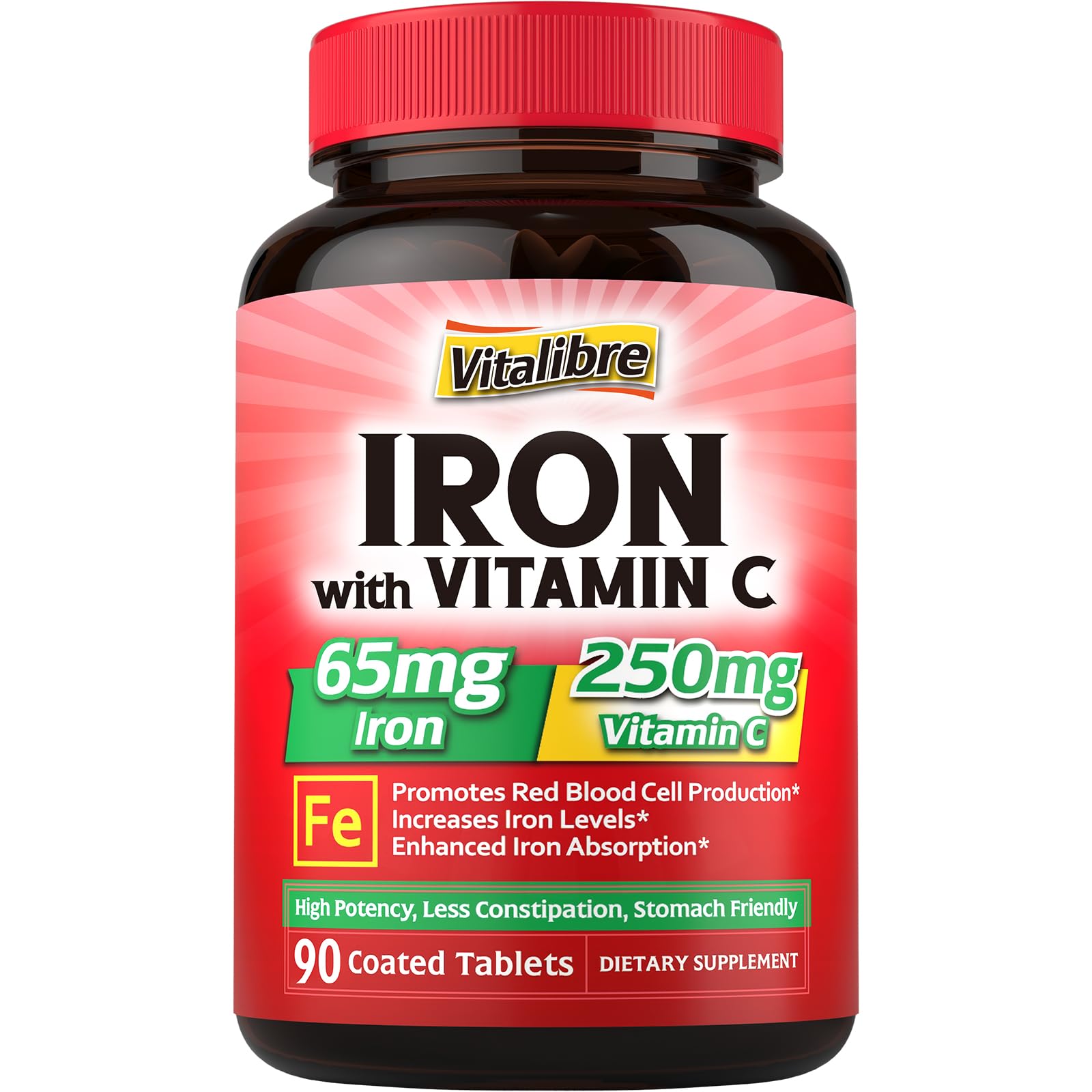
According to Morley there is no such thing as an iron deficiency unless you have lost almost all of your blood.
He said that disease may just be an energy deficiency because we do not have enough copper in our diets anymore.
However, we are drowning in iron, but this does not show up in blood work because they don't test for iron in tissues that could be 10 times higher than what shows up on a blood test.
Also, taking ascorbic acid or man-made vitamin C destroys ceruloplasmin and blocks copper's uptake in the intestines, but increases iron absorption.
In 1966, Dr. Osaki identified citrate as an internal ceruloplasmin inhibitor, which is used in some foods, some medicines, and in magnesium citrate.
Apparently, the zinc to copper ratio theory is a scam and an overemphasis on zinc may have also caused a copper deficiency.
We get sufficient zinc from our diet and do not need to supplement because zinc blocks copper uptake and inhibits the copper enzyme in complex 4 in the mitochondria, which makes your energy.
How can we get rid of excess iron in our bodies?
Our bodies are holding onto iron with a vengeance from the daily ingestion of supplements, foods that contain iron, and the foods fortified with iron.
The only way to get rid of excess iron might be with chelation of iron and blood donation according to Morley Robbins.
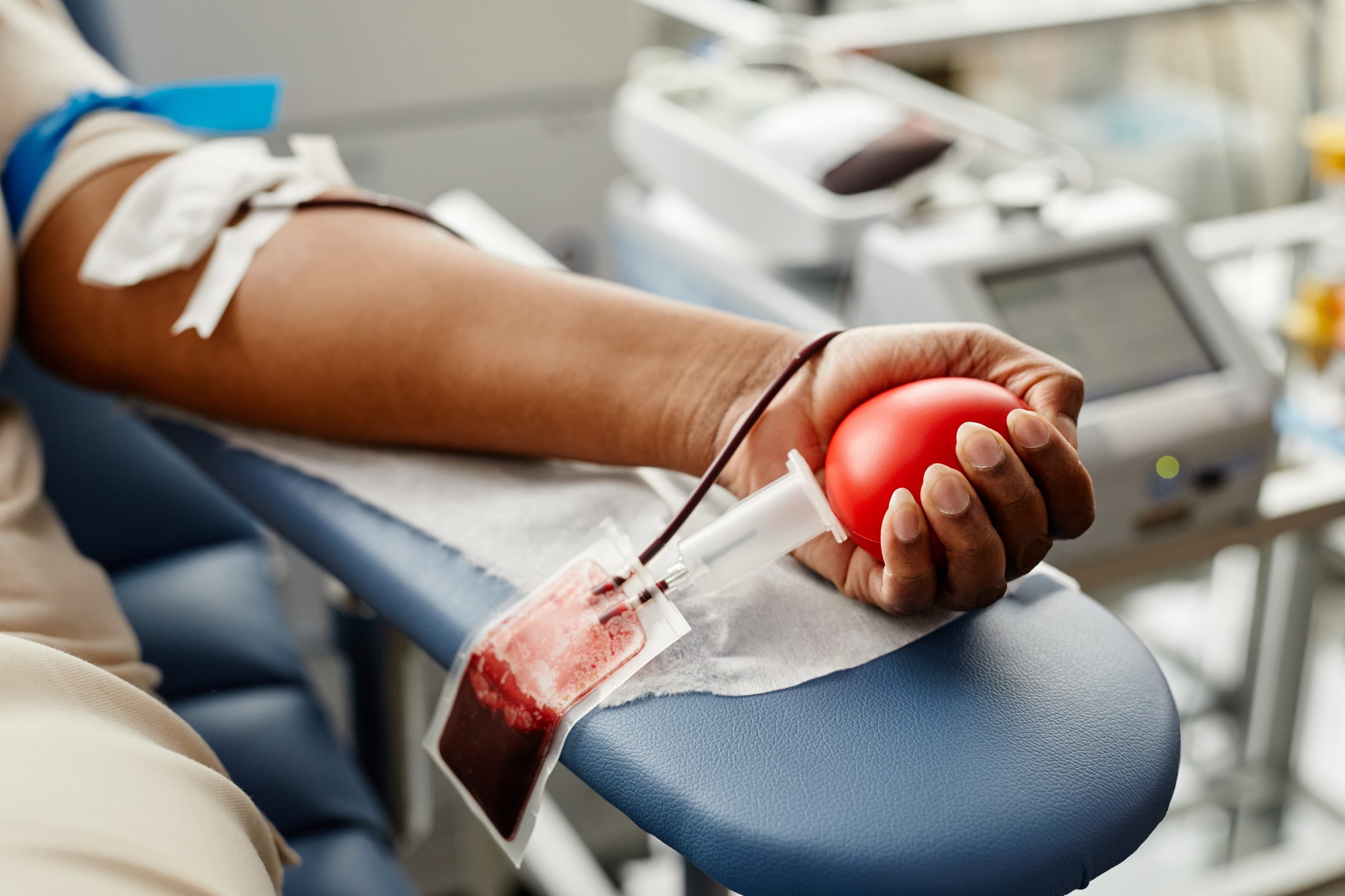
He suggested when donating blood, you only want to do gravitational blood donation because other methods will put citrate in your blood, which is hard on the ceruloplasmin.
Also, if you have a menstrual cycle, you will lose blood every month that will help you to get rid of excess iron.
Heavy menstrual bleeding may actually be from having too much iron. I use to have my period twice a month when I was consuming a lot of red meat.
Aajonus Vonderplanitz, author of We Want To Live, said that raw meat will contain bioactive iron that is different from free radical iron that comes from cooked and processed meats.
He taught that free radical iron can cause a bio-active iron deficiency, rust the tissues in the body, and create toxic iron accumulation.
He also mentioned that eating raw meat could help our bodies to detoxify from the toxic iron deposits.
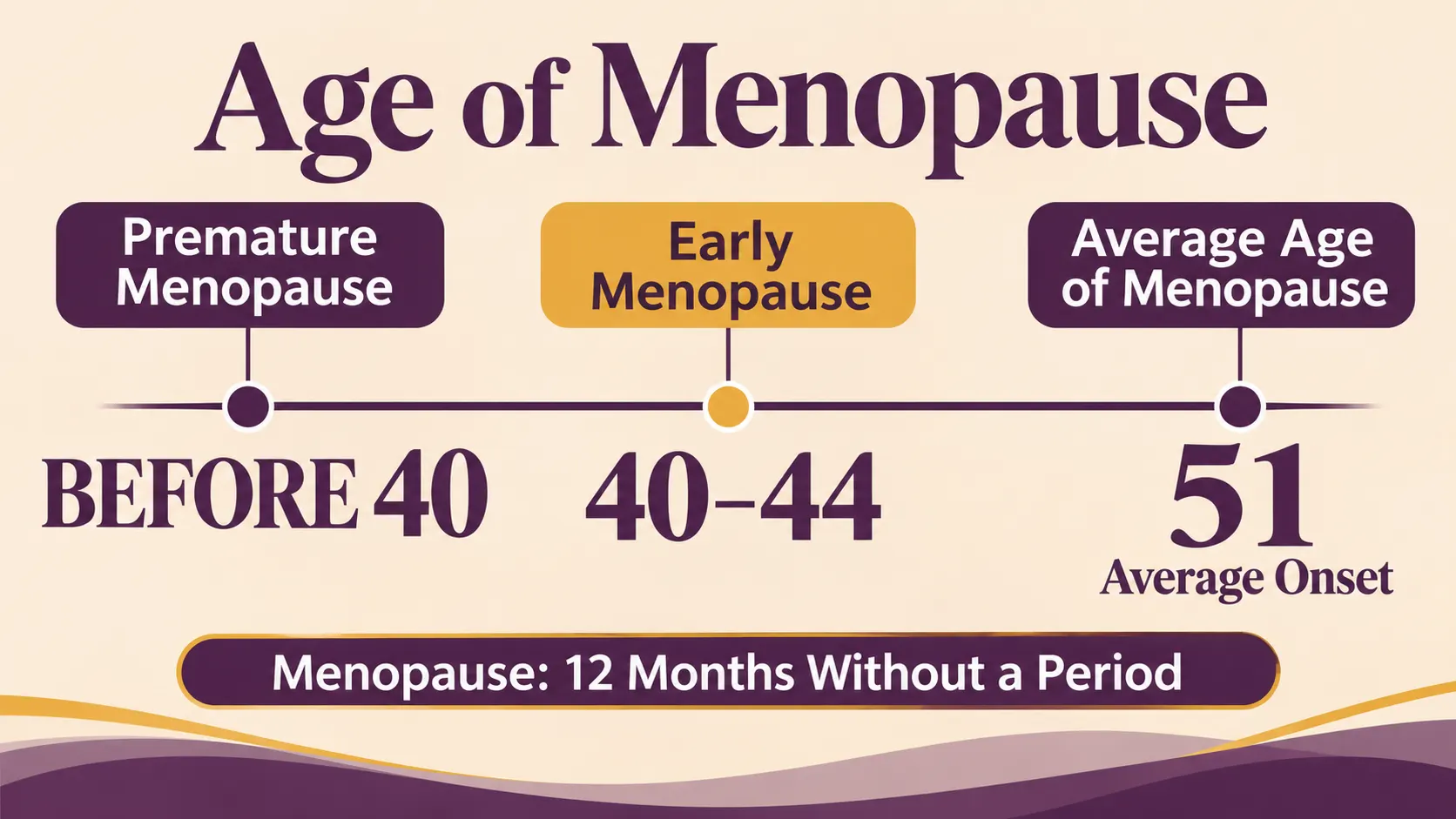
I don't know if any of that is true, but I have eaten a good amount of raw red meat during the last two decades and I didn't start menopause until my late fifties and I never had any hot flashes.
I've noticed that a lot of women are talking about menopause in their 40's, which makes sense because copper intake in America is borderline or just completely inadequate, which affects the hormones.
We absorb about 30% of our dietary copper and usually eliminate about 1.5 mg. of copper daily, which affects how much meat I crave postmenopause.
About 20,000 symptoms begin with oxidative stress!
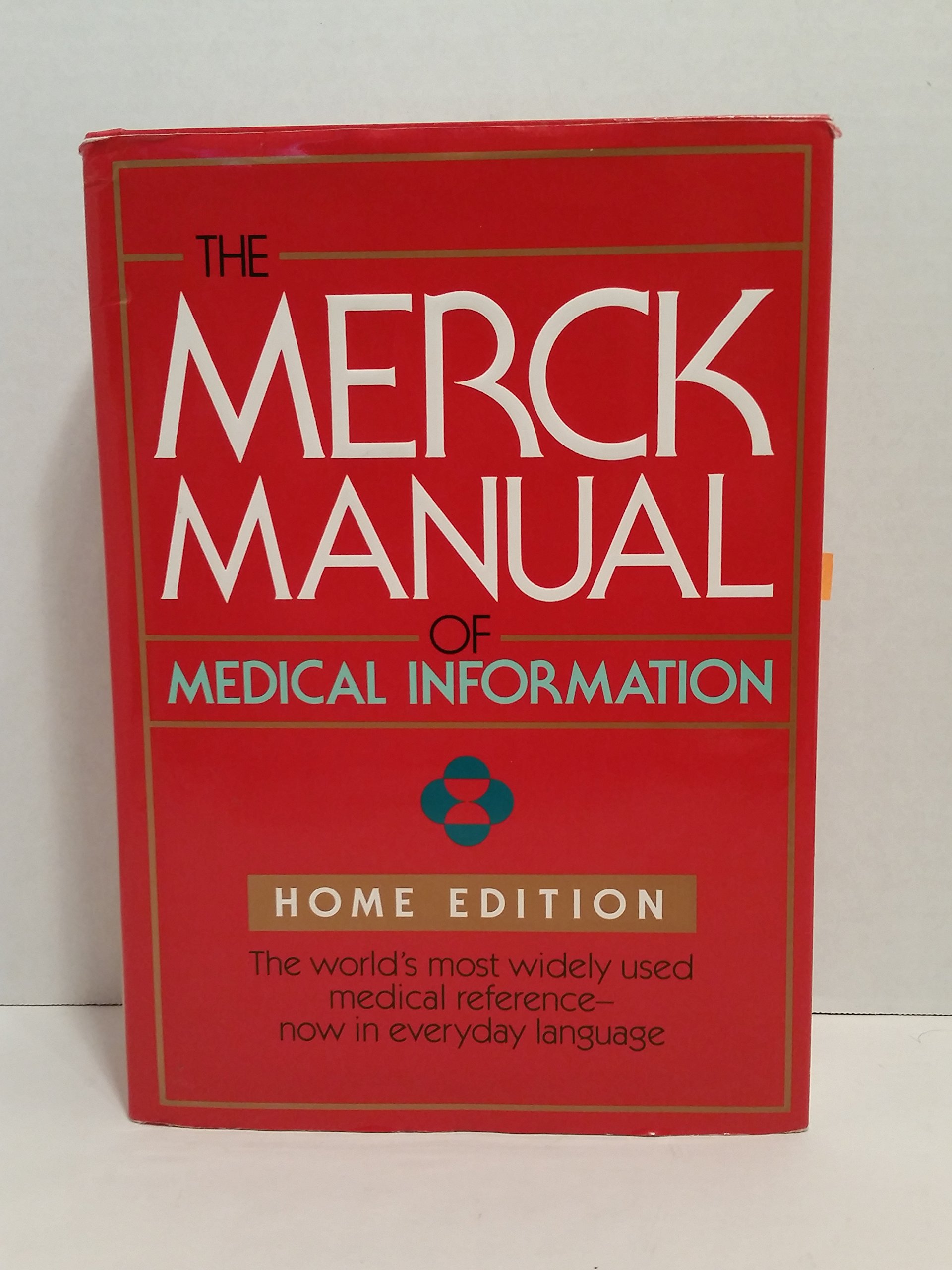
Morley Robbins said, "there are 20,000 symptoms that are described in the Merck manual and they all begin with oxidative stress."
I believe Morley because a long time ago, I looked up in a home edition what was wrong with me and discovered that I had everything in the book!
Morley says there is no such thing as disease, only stress induced mineral dysregulation that causes metabolic dysfunction.
Adrenal fatigue is just cellular energy deficiency and fatigue is what most people see a doctor about, which could be corrected with the health benefits of copper.
Maybe the true meaning of a well-balanced diet is making sure you have a steady supply of copper along with vitamin A, so your body will be able to regulate iron and make energy again.
I really hope you understand the importance of the health benefits of copper and create a more well-balanced diet that will give your body the energy it's really craving.
- Home
- What are Low Carb Diets?
- Health Benefits of Copper
Resources
1. The Cure for FATIGUE That Most Doctors Don't Know About (Mineral Expert Reveals), Dr. Autumn Smith, https://www.youtube.com/watch?v=0d98rGEVqC0
2. Copper Benefits for Health | Cancer Prevention | Minerals Benefits | Morley Robbins, with Logan Duvall, https://www.youtube.com/watch?v=1fpnmjfO0Eg
3. Mineral Expert Reveals: THIS is Why You're Still Tired & Iron Deficient (It's Not What You Think), Dr. Autumn Smith, https://www.youtube.com/watch?v=N672-9b4UoE
4. The Dr Doug Show, The Root Cause of Fatigue with Morley Robbins: Episode 2 The Myths Around Vitamins C and A, https://www.youtube.com/watch?v=wVD-lfxLpCI
5. The Most Important Stealth Factor to Improve Your Health – Interview With Morley Robbins, Dr. Mercola, https://www.youtube.com/watch?v=b3NoX7Z0Bsc
6. Boost Your Energy: Minerals, Microbes and Mitochondrial Health | Morley Robbins & Martha Carlin #109, with Logan Duvall, https://www.youtube.com/watch?v=2Zp7aIhFLx0
7. No.1 Fatigue Expert: The Real Reason You're Always Tired (and how to fix it), Dr. Daniel Pompa, https://www.youtube.com/watch?v=n9eZpMeUg-E
8. This Mineral Disaster Is Making People Sick — And Nobody's Talking About It! | Morley Robbins, with Jesse Chappus, https://www.youtube.com/watch?v=vYvXJRTlut4
Recent Articles


-
Health benefits of copper: the PAM enzyme, purple bacteria, & sources.
Nov 22, 26 04:24 PM
 The health benefits of copper will help you to have a well-balanced diet like our ancestors.
-
What are low carb diets: the benefits, leptin resistance, & deuterium.
Sep 26, 26 07:09 PM
 What are low carb diets effect on health? They can reduce leptin resistance and deplete deuterium!
-
Advanced glycation end products: glycation, effects of, low AGEs diet.
Sep 03, 26 04:13 PM
 AGEs is short for advanced glycation end products that is an ominous warning because that's exactly what they'll do - they AGE you!!